Aydın Province is a treasure trove of ancient history. Once inhabited by the Carians, Ionians, Greeks, Romans, Byzantines and Ottomans, the region boasts some of the country's most remarkable archaeological sites. Travellers can step back thousands of years and explore cities that once shaped philosophy, commerce, religion and art. Here are six of the best:
Aphrodisias
Aphrodisias is undoubtedly Aydın's crown jewel and one of the finest archaeological sites in the Aegean. Recognised as a UNESCO World Heritage Site, the ancient city was named after Aphrodite, the Greek goddess of love, and flourished during the Roman period as an important centre for sculpture and education.
The city was renowned for its high-quality marble, quarried from nearby mountains and transformed into masterpieces by local artisans. Today, visitors can wander through broad marble streets lined with monuments that have survived for nearly two millennia. Highlights include the spectacular Tetrapylon ceremonial gateway, the Temple of Aphrodite, the Sebasteion, Roman baths, and a remarkably well-preserved stadium capable of accommodating 30,000 spectators.
Miletus
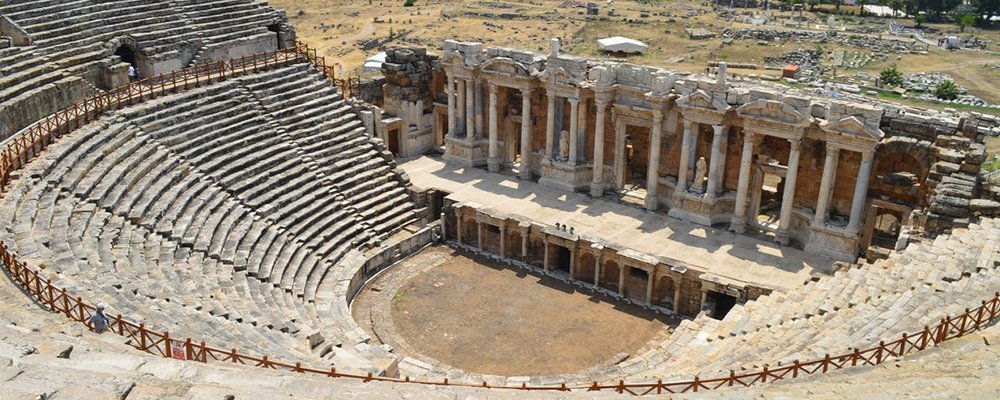
Said to be the birthplace of great thinkers, Miletus is now located on the outskirts of Didim. Miletus was once one of the greatest cities of ancient Ionia as a thriving maritime port. It became famous for trade, science and philosophy, producing influential scholars such as Thales, Anaximander and Anaximenes.
Although the coastline has shifted over centuries due to river sediment, the ruins still reveal the city's former grandeur. The enormous Roman theatre, which could seat 15,000 spectators, dominates the landscape and offers panoramic views across the surrounding plain. Visitors can also explore the remains of Roman baths, temples, marketplaces and public buildings that demonstrate the sophistication of this prosperous city.
Temple of Apollo, Didyma
Just a short drive from Miletus lies the magnificent Temple of Apollo at Didyma, one of antiquity's most celebrated religious sanctuaries. Pilgrims travelled from far and wide to consult Apollo's oracle, making Didyma a sacred destination comparable to Delphi in Greece.
Although construction began during the Hellenistic period and continued for centuries, the temple was never fully completed. Even so, its immense scale remains breathtaking. Towering marble columns, monumental staircases and intricately carved stone blocks create an unforgettable impression of ancient engineering. Descending into the temple's mysterious inner sanctuary offers visitors a unique glimpse into the rituals and beliefs that once drew worshippers.
Priene
Perched dramatically on the slopes of Mount Mycale, Priene is one of the best-preserved examples of a planned Hellenistic city. Built according to a strict grid system, its orderly streets illustrate the advanced principles of ancient urban design.
The city overlooks the fertile Büyük Menderes Valley, providing spectacular views that complement its archaeological significance. Visitors can explore the agora, gymnasium, theatre and residential quarters before reaching the Temple of Athena, designed by the renowned architect Pytheos. Unlike many larger archaeological sites, Priene retains an intimate atmosphere, allowing travellers to imagine everyday life in an ancient Greek community.
Nysa
An often overlooked archaeological treasure, Nysa is situated near Sultanhisar and receives far fewer visitors than Aphrodisias or Didyma. However, the site rewards explorers with impressive monuments and a tranquil environment.
Among its highlights are a beautifully preserved Roman theatre, an ancient library, a gymnasium, an agora, and stone bridges spanning a deep ravine that once divided the city. The famous geographer Strabo is believed to have studied in Nysa, adding intellectual significance to its already impressive history.
Tralleis
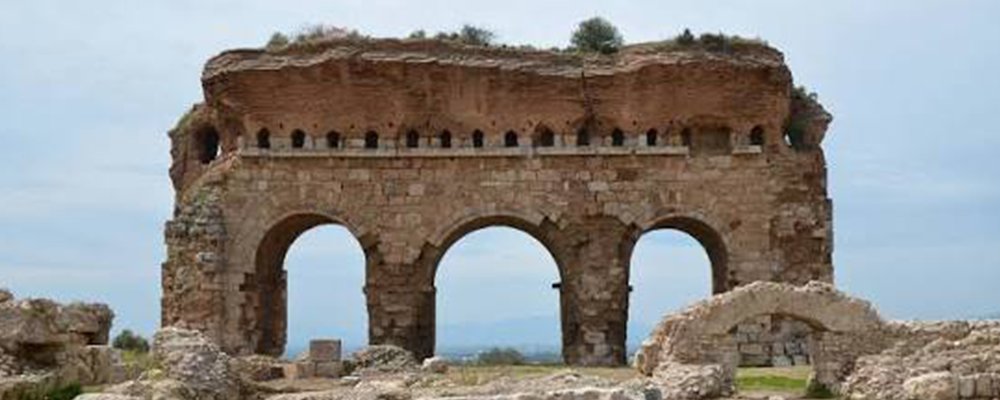
Overlooking modern Aydın, Tralleis has a history stretching back more than 2,000 years. Founded by the Thracians and Argives before flourishing under Roman rule, it served as an important commercial and cultural centre.
Its most recognisable landmark is the impressive Roman gymnasium, popularly known as the "Three Arches," which has become an iconic symbol of the province. Ongoing excavations continue to uncover streets, baths, temples and residential buildings, revealing new insights into daily life in the ancient city.
 Andy Probert is a British-born, Cyprus-based journalist who covers aviation, hotels, travel, and various topics for publications worldwide.