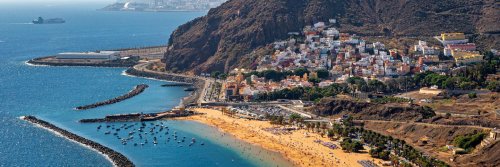
Tenerife, along with the rest of the Canary Islands, has been at the crux of global mass tourism concerns in recent years. However, there are quieter locations on the island to soak up the atmosphere without fear of being elbowed out of your reverie.
The island has a very different feel when you head for the rugged mountains, sleepy villages, and volcanic coastlines that dot it, where the pace of life predictably slows.
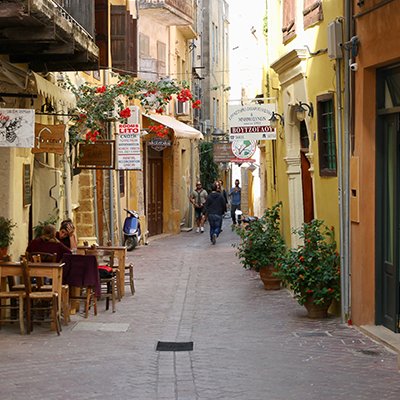
Garachico is a beautifully preserved coastal town on the island's north-western side. Once an important port, a volcanic eruption in 1706 destroyed much of the original settlement. Today, its centre is packed with cobbled streets, traditional architecture, churches and attractive plazas.
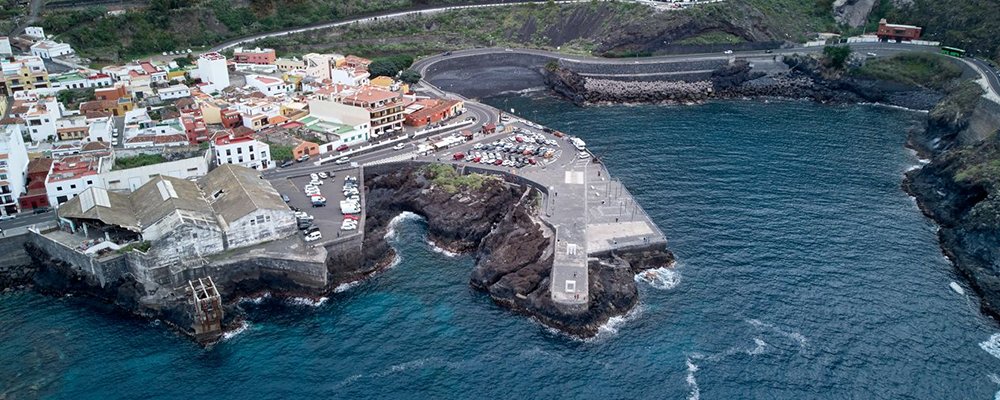
The volcanic past is striking along the waterfront, where lava formations created the natural swimming pools of El Caletón. When conditions allow, these provide spectacular alternatives to the island's beaches. A stroll, a coffee, and settling in for a long Canarian lunch will give you a feel for Garachico.
Further west, the rural municipalities of Los Silos and Buenavista del Norte form part of the Isla Baja, an area celebrated for its traditional villages and proximity to the Teno Rural Park.
Los Silos is surrounded by green hills and agricultural land, while Buenavista del Norte offers an attractive combination of mountain and ocean scenery. Walkers and explorers will have these on their radars. They are also excellent locations to enjoy the island's food culture with small restaurants serving traditional dishes, local cheeses, produce, and fresh fish.
Teno Rural Park, at the island's north-western tip, is remote but characterised by deep ravines and steep cliffs. The villages of Teno Alto, El Palmar, Las Portelas and Masca provide glimpses of a more traditional way of life, while walking routes reveal landscapes that feel surprisingly distant from the island's major tourist hubs.
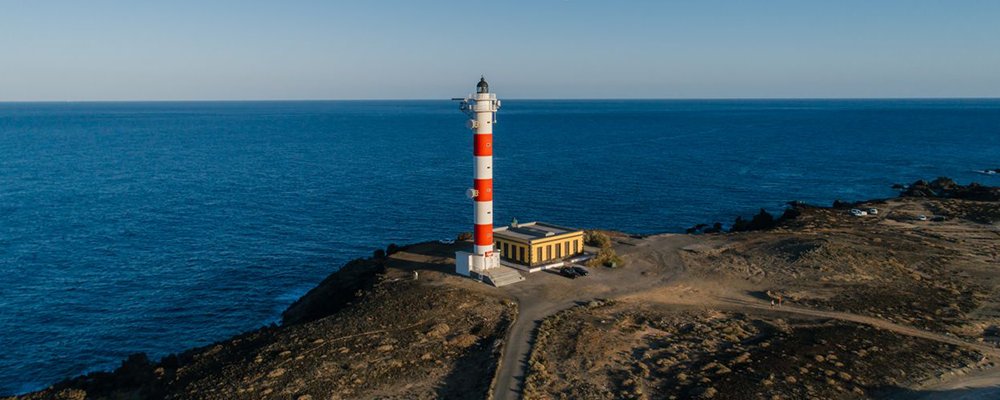
At Punta de Teno, the old lighthouse and spectacular coastal views make the journey worthwhile, with the enormous cliffs of Los Gigantes visible along the coast.
In the opposite direction, the Anaga Rural Park is a declared Biosphere Reserve. Covering much of the north-east, its landscape is dominated by jagged mountains, ravines and ancient laurel forests. Scattered among them are tiny settlements where traditional agriculture remains part of everyday life.
Travellers can experience the quiet delights of La Caleta, a former fishing village that retains coastal charm, with a waterfront lined by restaurants and rocky outcrops. El Médano, in the south-east, is more relaxed and informal, with a long waterfront, sandy beaches, and a strong watersports culture, including windsurfing and kitesurfing, thanks to the area's reliable winds.
For those looking for a spark, tackle Siam Park in Costa Adeje, one of the world's best-loved water parks, or pop into Loro Parque, ranked among the world's best zoos.
Culture vultures can swing by the Óscar Domínguez Institute at the Tenerife Espacio de las Artes, home to paintings, drawings, and surrealist objects by the Tenerife-born artist. The UNESCO World Heritage Site of San Cristóbal de La Laguna is another must-see.
A visit to Teide, Tenerife's own volcano, has to be on the bucket list. Take a cable car if hiking doesn't appeal to get a better view of the volcano. However, Teide remains active, so don't be too complacent.
The remote locations, with their high altitudes and proximity to the Equator, also make them ideal for stargazing. The Starmus Festival brings enthusiasts to enjoy lectures and special events, but observatory tours and stargazing atop the volcano are available year-round.
If you want to avoid the summer heat, Tenerife is still pretty toasty during winter. Expect a mild 17 degrees in January and 20 degrees heading into Christmas, making exploring more bearable.
 Andy Probert is a British-born, Cyprus-based journalist who covers aviation, hotels, travel, and various topics for publications worldwide.