

Whitewater rafting stands as one of the most exhilarating outdoor adventures you can experience, combining the raw power of rushing rivers with teamwork, skill, and pure adrenaline. This thrilling water sport attracts millions of enthusiasts worldwide who seek to navigate through rapids, experience nature's untamed beauty, and challenge themselves against the force of flowing water. Whether you're a complete beginner curious about dipping your paddle into this exciting activity or an experienced rafter looking to refine your knowledge, understanding the fundamentals ensures both safety and maximum enjoyment. Think of this guide as your companion for everything whitewater, from understanding rapid classifications to selecting appropriate gear and preparing for your first expedition on the river.
Understanding Rapid Classifications and River Difficulty
The international scale of river difficulty categorizes whitewater rapids into six distinct classes, ranging from Class I to Class VI, with each representing progressively more challenging conditions. Class I rapids feature minimal turbulence with small waves and few obstructions, making them perfect for absolute beginners and families with young children seeking a gentle introduction to river running. As you move to Class II, you'll encounter moderate difficulty with straightforward rapids containing waves up to three feet high and wide, clear channels that are easily navigable with basic paddling skills. Class III rapids mark the transition into intermediate territory, featuring irregular waves that may be difficult to avoid, along with narrow passages requiring precise maneuvering and swift reactions from your rafting team.
Essential Gear and Equipment for Safe Rafting
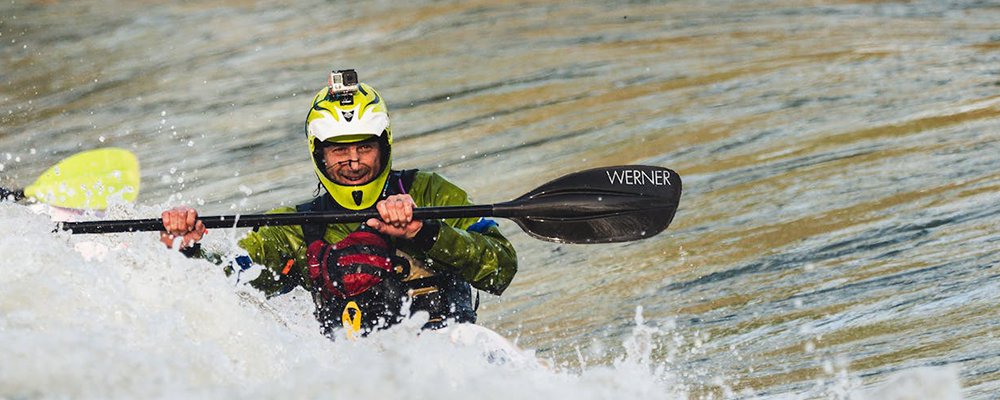
Proper equipment forms the foundation of every safe and successful whitewater rafting adventure, beginning with the raft itself, which comes in various sizes and configurations designed for different group sizes and water conditions. Your personal flotation device, commonly known as a life jacket or PFD, represents the single most important piece of safety equipment you'll wear throughout the entire journey, providing buoyancy in case of capsizing or unexpected immersion. Helmets protect against head injuries from collisions with rocks, other rafts, or equipment during turbulent passages through challenging rapids or unexpected tumbles from the raft. Paddles designed specifically for whitewater rafting feature reinforced construction to withstand impacts against rocks while providing the leverage you'll need to maneuver through powerful currents and waves.
Mastering Basic Paddling Techniques and Commands
Effective paddling techniques transform a group of individuals into a synchronized team capable of navigating challenging rapids with precision and confidence. The forward stroke represents the fundamental paddling motion, executed by reaching forward with the paddle blade, submerging it completely, and pulling back alongside the raft while rotating your torso to generate maximum power. The backstroke reverses this motion, allowing you to slow down, stop, or move backward away from obstacles by pushing forward on the paddle while maintaining proper blade angle in the water. Draw strokes pull the raft sideways toward your paddling side, essential for making quick lateral adjustments to avoid rocks or position the raft properly before entering rapids.
Preparing Physically and Mentally for River Adventures
Physical preparation significantly enhances your rafting experience by building the strength, endurance, and flexibility needed to paddle effectively throughout extended trips on the river. Cardiovascular fitness developed through running, cycling, or swimming provides the stamina to maintain powerful paddle strokes during long stretches between rapids and extended periods of continuous paddling. Upper body strength training focusing on shoulders, arms, back, and core muscles builds the power you'll need to execute effective strokes against strong currents while maintaining stability when waves crash over the raft. Flexibility exercises and regular stretching prevent muscle strains and cramping during awkward positions or sudden movements required when navigating obstacles or recovering impacts.
Safety Protocols and Emergency Procedures
Comprehensive safety briefings before launching represent critical preparation that every commercial rafting operation provides, and every private trip should replicate thoroughly. Learning the proper swimming position for river travel, floating on your back with feet pointed downstream and raised to avoid foot entrapment between rocks, can prevent serious injuries if you fall from the raft. Understanding how to self-rescue by swimming aggressively to the nearest eddy or calm water, and how to assist others by throwing rescue bags or extending paddles, transforms you from a passive passenger into an active safety participant. Recognizing potential hazards such as strainers created by fallen trees that allow water to pass through but trap solid objects, undercut rocks that create dangerous recirculating currents, and hydraulic features that can trap rafts or swimmers helps teams identify and avoid dangerous situations.
Choosing the Right River and Rafting Experience
Selecting an appropriate river for your skill level and desired experience requires researching multiple factors including rapid classifications, trip duration, seasonal water levels, and accessibility. Beginner-friendly rivers offering predominantly Class I and II rapids with short sections of Class III provide an exciting introduction to whitewater without overwhelming novices with conditions beyond their abilities. For those seeking intermediate challenges, South Fork American River Rafting features sustained Class III rapids with occasional Class IV sections that challenge developing skills while still maintaining reasonable safety margins for those who have mastered basic techniques. Advanced rivers dominated by Class IV and V rapids demand expert-level skills, extensive experience, and acceptance of significant risks inherent in navigating extreme whitewater conditions. Trip length varies from half-day excursions covering just a few miles of river to multi-day expeditions traversing remote wilderness sections requiring camping along riverbanks and carrying all supplies aboard rafts. Seasonal considerations significantly impact river conditions, spring snowmelt creates higher water volumes with more powerful rapids while late summer low flows may expose more rocks requiring technical maneuvering through shallow passages. Commercial guided trips provide professional expertise, all necessary equipment, and safety support ideal for beginners or those seeking expertly curated experiences without logistical planning responsibilities. Private trips offer complete freedom and customization but require extensive planning, proper permitting, equipment ownership, and comprehensive wilderness skills including river navigation, rescue techniques, and Leave No Trace camping practices.
Conclusion
Whitewater rafting offers an unparalleled combination of adventure, natural beauty, teamwork, and personal challenge that creates lifelong memories and often sparks passionate dedication to river running. By understanding rapid classifications, investing in proper equipment, mastering essential paddling techniques, preparing both physically and mentally, following rigorous safety protocols, and selecting appropriate rivers for your skill level, you're setting yourself up for successful and enjoyable experiences on the water. The river community welcomes newcomers with genuine enthusiasm while maintaining strong traditions of safety, environmental stewardship, and mutual support that enhance every trip beyond mere adrenaline thrills. Whether you pursue guided commercial trips or eventually develop the skills for independent expeditions, whitewater rafting provides endless opportunities for exploration, skill development, and connection with the powerful forces of nature that have carved canyons and shaped landscapes for millennia.