A one-night stopover if you wish to be closer to the Querétaro Intercontinental Airport (both domestic and international) for an early morning flight, Querétaro, officially known as Santiago de Querétaro, is a city located in central Mexico. Many people staying in San Miguel de Allende use this airport as a stepping stone to their next destination, as San Miguel has no airport.
For history lovers, the town shows off its blend of indigenous heritage, colonial influence, and revolutionary spirit. Dating back to the pre-Hispanic era, when it was inhabited by indigenous peoples, Querétaro sat on vital trade routes, which contributed to its development long before the Spanish arrived in the early 16th century. Under Spanish rule, the city became an important colonial hub, with the construction of impressive churches, monasteries, and forts. It was also a crucial military stronghold during the Mexican-American War and the Mexican Revolution, due to its strategic location.
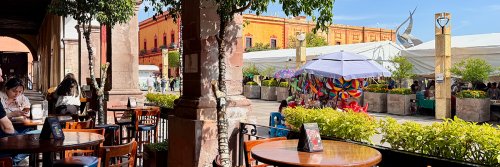
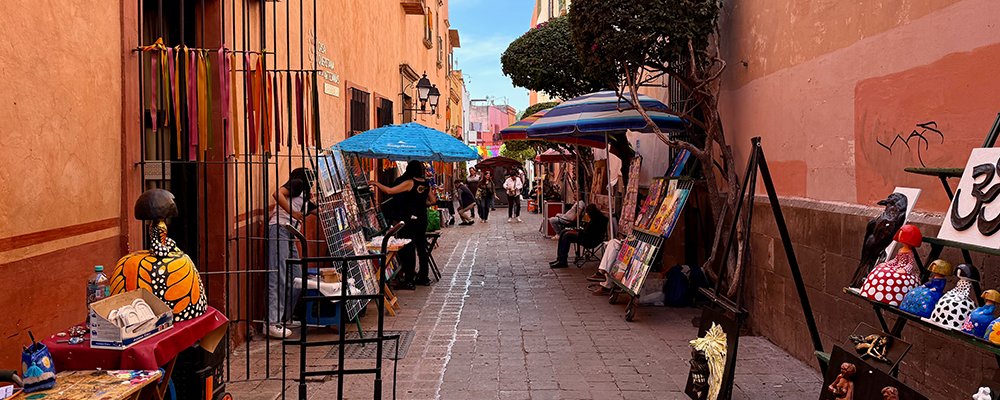
A UNESCO World Heritage city site, its iconic historical landmark is the Aqueduct of Querétaro, constructed between the 18th and 19th centuries, exemplifying the engineering prowess of the time. This impressive 74-meter-high aqueduct is brilliantly illuminated at sunset. Other sites that should be on your radar include the Querétaro Cathedral, with its stunning neoclassical design, and the Casa de la Corregidora, a historic mansion that played a key role during Mexico’s fight for independence. Meander through Querétaro’s well-preserved historic heart, where you can stroll narrow cobblestone streets lined with colorful and beautifully preserved colonial architecture, and lively plazas. Head to a bustling market such as Mercado de la Cruz, where you can taste regional specialties such as enchiladas queretanas—corn tortillas stuffed with shredded chicken, cheese, and onion then dipped in guajillo chili sauce, lightly fried, and topped with sautéed diced potatoes and carrots, along with shredded lettuce, sour cream, and additional cheese. They are a taste sensation. Or, grab a handcrafted souvenir to stuff in your overpacked luggage. The city also boasts fascinating museums, such as the Museo de la Ciudad, which offers insights into Querétaro’s rich past.
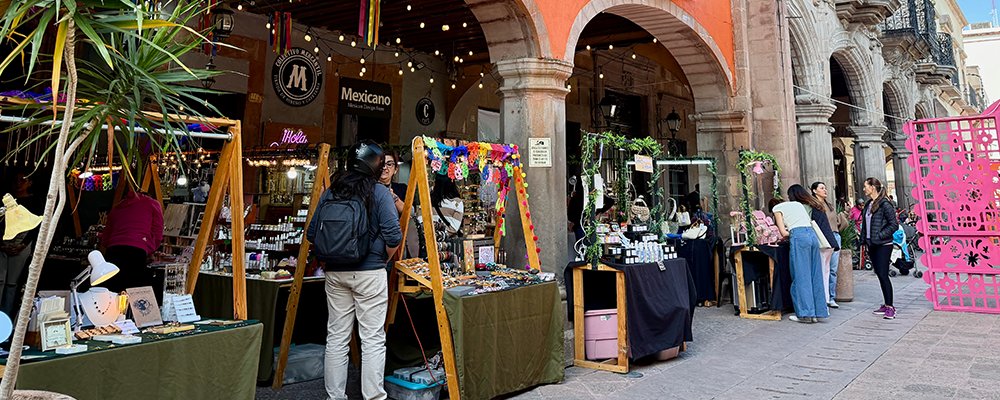
The city's culinary highlights are rooted in its traditional fare, influenced by indigenous and colonial roots. One of the most iconic dishes of Querétaro is ‘Nieve de Garrafa,’ a traditional ice cream made from natural fruit flavors and served in colorful cones. The region is also known for its ‘Carnitas,’ slow-cooked pork that is tender and flavorful, often served with tortillas, fresh salsa, and lime. Don’t forget to taste the snacky mouthful of ‘Chicharrón,’ crispy fried pork rinds. Treat your taste buds to the soft, mild cheese used in many recipes, ‘Queso Querétaro,’ and savor mouthfuls of ‘atole,’ a warm, thick beverage served during special occasions or during the colder months. Querétaro has its own variety of ‘Mole’ sauces, complex, rich mixtures of chili peppers, spices, chocolate, and other ingredients, served over chicken or turkey.
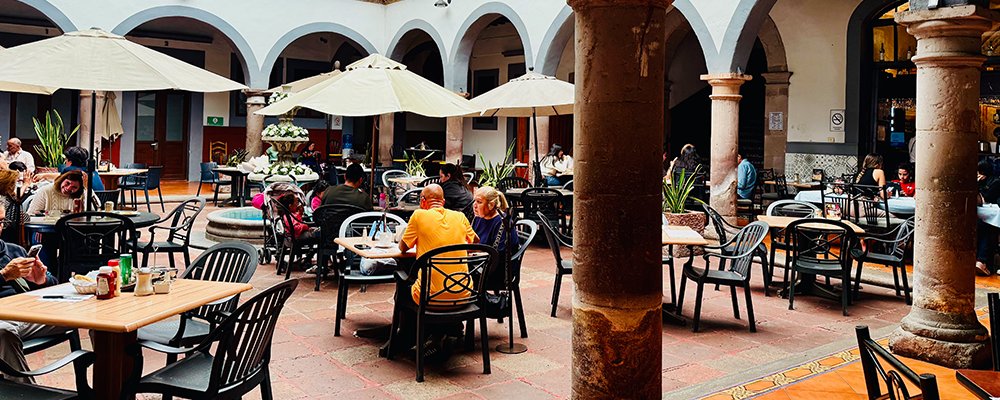
If by some chance you have kids in tow on your travels, you can take them for a splash in the Zací Water Park, featuring slides and pools. If you want to totally immerse yourself in the city's culture, make sure you are there for one of its fabulous festivals, such as the Festival de Querétaro, when a big celebration is held with traditional music and dance. While nearby is Peña de Bernal, one of the largest monoliths in the world, it’s perfect for adventurous souls who want to put on hiking boots to explore. If you love the wild side in nature, Querétaro is surrounded by the Sierra Gorda Biosphere Reserve, offering breathtaking views, hiking trails, zip-lining, and rock climbing. The reserve lies in a biogeographical position between the Arctic Neotropical and the Mesoamerican Mountain regions, making it one of the most ecologically rich and diverse places in Mexico. With a widely varied climate—semi-desert to cloud forests—the reserve is home to 60% of Mexico’s native species. Over 800 different species of butterflies flit through its jungle while mammals (jaguar, margay, ocelot, bobcat, puma, honey and black bears, spider monkeys, and white-tailed deer) stalk the ground under the wings of toucanets, scarlet macaws, and great curassows, to name a few. Throw in a few snakes, crocodiles, and Mexican salamanders, and there’s a veritable zoo hiding in the region.
Querétaro is considered the gateway to explore other parts of central Mexico, making it a strategic base for day trips to historic towns like Tequisquiapan and Bernal.
Gail Palethorpe, a self proclaimed Australian gypsy, is a freelance writer, photographer and eternal traveller. Check out her website Gail Palethorpe Photography and her Shutterstock profile.