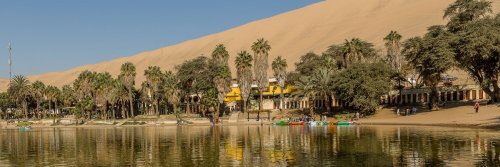
Insane sights around the world draw those inquisitive souls seeking the unique. Huacachina, a small oasis town in Peru known as the ‘Oasis of America,’ is one such destination. Famous for its stunning beauty, including an iconic lush green lagoon fed by underground springs and surrounded by towering sand dunes that stretch as far as the eye can see in the Ica Desert, it’s a small village cloaked in legends and myths that add to its mystical charm and enchanting atmosphere. The name "Huacachina" is believed to derive from Quechua or Aymara words, possibly meaning "weeping woman" or "crying woman," reflecting local stories associated with the site.
The shifting sands and mysterious waters have inspired countless tales of supernatural occurrences, making Huacachina a place of wonder and intrigue. These legends have been passed down through generations. A popular legend tells of a local maiden, Huacachina, who was said to be a beautiful princess cursed by the gods, who transformed her into the tranquil waters of the lagoon. According to the myth, her spirit still resides in the waters, protecting and watching over visitors. Yet another tale will tell you of a mermaid or maiden who, upon drowning in the lagoon, transformed into a spirit that protects the oasis. Some myths suggest that the oasis was a sacred site for indigenous peoples long before the Spanish conquest, serving as a spiritual center where shamans and healers performed rituals to honor nature and seek divine protection. And not forgetting the surrounding sand, there’s a mythical creature, the ‘Sand Spirit’, believed to inhabit the dunes and control the shifting sands, sometimes causing travelers to become lost or guiding them safely through the desert.
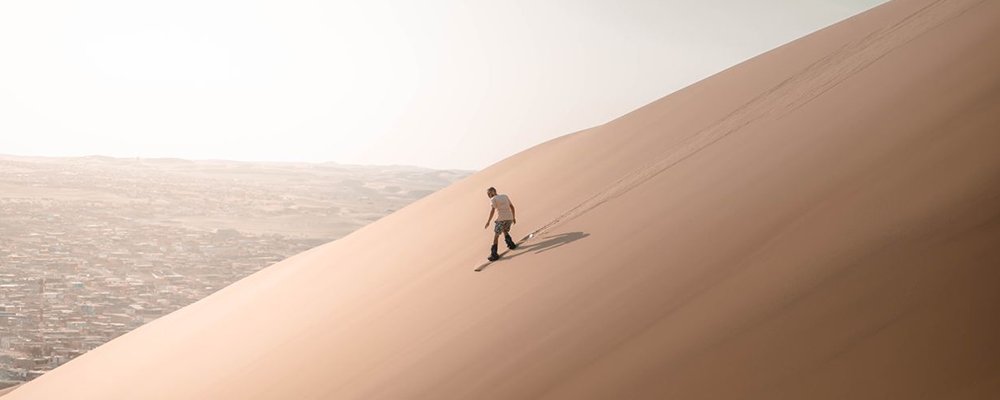
Despite its small size, Huacachina has become a hub for adventure tourism. The surrounding dunes offer mind-blowing opportunities for sandboarding and dune buggy rides, while others just climb the dunes for breathtaking panoramic views of the oasis and the surrounding desert, especially at sunset, when the colors are spectacular. And the drawcard for photographers is the stark beauty of the desert environment, with the incongruous sight of a quaint oasis village.
At its heart are the green waters of the Huacachina Lagoon fed by underground springs, ringed by palm trees and thought to have therapeutic properties. The lagoon's shores are dotted with bars and clubs, where your senses are alert to a faint, musty smell hinting at its mineral content, and where algae and aquatic plants thrive in its waters. It’s perfect for swimming, paddle boating, or simply enjoying the scenic views.
The village's charming, small-scale accommodations and cafes offer a cozy atmosphere while serving as a gateway to exploring the Ica region, renowned for its vineyards and pisco distilleries that produce Peru's famous spirit. The town's architecture reflects a blend of traditional Peruvian styles and modern influences. The evening air is always infused with the rich tapestry of smoke, tainted with hints of savory from meat grilling over open fires as locals prepare traditional Peruvian dishes. Huacachina’s history dates back centuries, rooted in the ancient cultures that inhabited the region long before Spanish colonization. The area was originally inhabited by indigenous peoples who recognized the significance of the natural water source that sustains the lush vegetation and wildlife around the desert. The oasis gained prominence during the colonial period when it became a refuge for travelers and traders crossing the arid desert. Its spring provided a vital water source in an otherwise inhospitable environment, making it a crucial stop along trade routes that connected the coast to the Andean highlands. Over time, the area became a favorite destination for explorers, settlers, and later, tourists seeking a unique desert experience.
The town's environment is fragile, and efforts are ongoing to preserve its natural beauty amidst increasing tourism. Huacachina's proximity to the city of Ica makes it easily accessible, and it serves as a perfect day trip or weekend getaway for travelers exploring southern Peru who are tempted to experience its ancient charm and cultural heritage at an archaeological site. The climate in Huacachina is typically hot and dry, with the best time to visit during the Peruvian summer months from December to April, although the area is accessible year-round.
Gail Palethorpe, a self proclaimed Australian gypsy, is a freelance writer, photographer and eternal traveller. Check out her website Gail Palethorpe Photography and her Shutterstock profile.