The fascinating country of Angola has a history deeply intertwined with its resilience and spirit of independence. Perched on the southwestern coast of Africa, Angola offers a rich tapestry of culture, history, and natural beauty. Its national tree is the mammoth Baobab, nicknamed the ‘upside down tree’ because its root system resembles branches pointing skyward. The local belief is that God was so frustrated when planting it that he tossed it onto the ground upside down. Obviously, he had a fit of the shits when near the town of Xangongo, a semi-arid savannah region along the Cunene River in the south of Angola, as there are giant baobabs scattered everywhere.
With its unusual-looking trees and a national flag featuring a machete and a cogwheel that raises eyebrows, it is no surprise that Angola is also home to the rare plant 'Welwitschia mirabilis,' which consists of only two leaves that grow continuously; some are over 1,500 years old. It is found in the Angolan Namib Desert, which covers approximately 1-2% of the country along the southwestern coast. The entire Namib Desert blankets 81,000 square kilometers across Angola, Namibia, and South Africa.
Angola’s national animal, the rare and extremely shy Giant Sable Antelope, is majestic and famous for its massive backward-curving horns that can grow to 1.5 meters long and its striking white-painted faces that look like an artist has taken a paintbrush to their cheeks. Powerful males have glossy jet-black coats, contrasting sharply with white bellies and rumps that cloak rippling muscles, while the females have a reddish-chestnut to dark brown coloring, again with their own distinguishing face markings. If you are lucky, you may spot one in the woods of the central highlands of Angola, particularly in the Cangandala National Park and the Luando Natural Strict Reserve, sitting between the Kwanza and Luando Rivers.
Angola’s capital city, Luanda, nicknamed the ‘Paris of Africa’, is known for its luxury developments, high-end dining venues, and bustling nightlife, which may be due to Angola having one of the world’s youngest populations—70% of its citizens are under 25. Its youthful blush and buzzing energy are due to the prolonged civil war, which ended in 2002, that decimated older and middle-aged generations, plus Angola has one of the highest birth rates in the world, with a staggering average of six kids per female. Luanda is the political, economic, and cultural heart of the country—a vibrant melting pot of African, Portuguese, and indigenous influences.
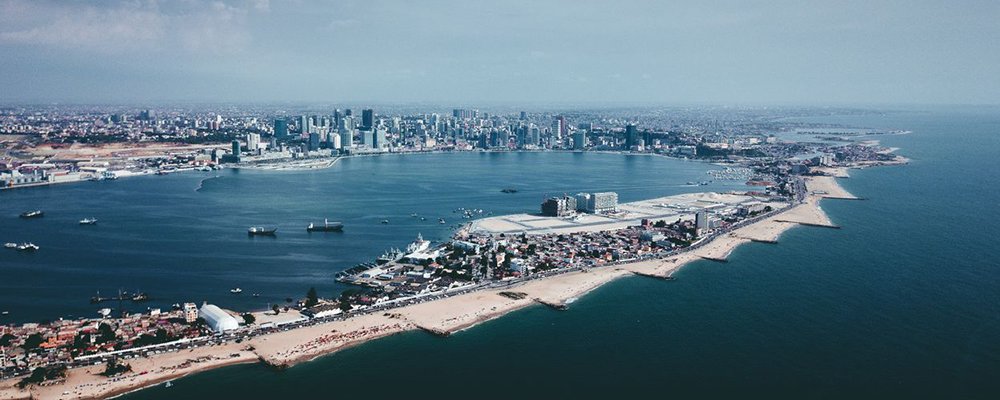
In Luanda, luxury beachfront clubs stand alongside bustling traditional markets. Modern skyscrapers cozy up to Portuguese colonial architecture in a unique urban landscape where history meets progress. It’s a bustling metropolis known for its lively music scene and growing arts scene, with contemporary art galleries and cultural festivals showcasing local talent. The Angolan capital hosts events like the Luanda International Film Festival, which celebrates film and storytelling from across Africa and beyond. Visitors can explore the historic Forte de São Miguel, a Portuguese fortress dating back to the 16th century, offering insight into Angola’s colonial past and stunning views of the Atlantic Ocean. The city’s waterfront, the Marginal, is perfect for leisurely walks, enjoying local cuisine, and watching the sunset. For those interested in history, the National Museum of Anthropology provides a deep dive into Angola’s diverse cultural heritage, showcasing traditional art, artifacts, and textiles. You can explore the city by taking a boat ride along the coast, which provides beautiful views of the Atlantic and opportunities to see local fishing communities.
Travelers should also explore the charming city of Benguela, famous for its colonial architecture, beautiful beaches, and vibrant street life. The city’s cultural scene is lively, with music, dance, and art reflecting Angola’s rich traditions. The nearby Lobito Beach is ideal for enjoying the Atlantic breeze under the African sun. In addition, the town of Huambo offers a glimpse into the country’s agricultural roots and traditional way of life, with scenic landscapes and friendly locals.
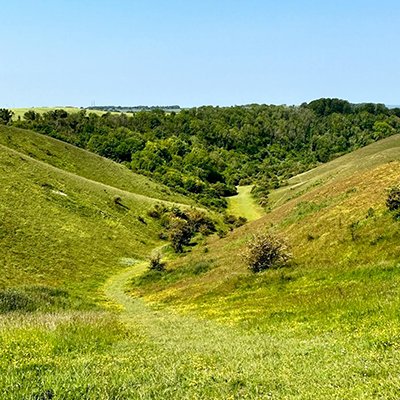
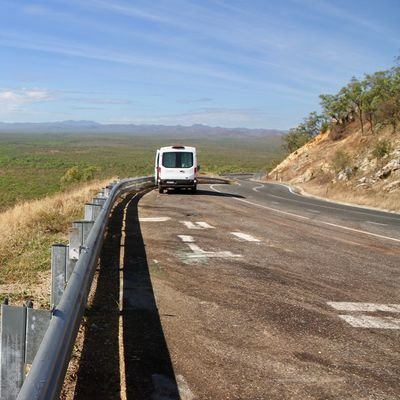
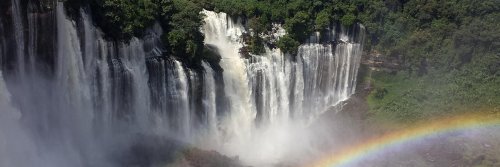
One of the most untouched destinations opening up to tourists, Angola offers a mix of dramatic landscapes, pristine beaches, and incredible off-the-beaten-path destinations for the adventurous soul. Don’t miss the thundering water at Kalandula Falls, one of Africa’s largest waterfalls, shaped like a horseshoe, and wider than Victoria Falls. The lunar-like landscape of Miradouro da Lua (Viewpoint of the Moon), with its sculpted cliffs shimmering like gold, dramatically falls into deep gullies carved over centuries by wind and rain. The iconic Serra da Leba Pass is a descending rollercoaster ride through hairpin turns, offering breathtaking panoramic views. Another unnerving and surreal vision is that of Ilha dos Tigres (Tiger Ba), a former fishing settlement—it’s a ghost town of abandoned structures. The Namib Desert surrounds this ghostly apparition with dramatically streaked sand that resembles a tiger’s stripes. And for the surfing enthusiast chasing one of the longest point breaks in the world, there are the beautiful beaches and dominant cliffs of Cabo Ledo.
Angola is emerging as one of those out-of-the-way destinations to head to in 2027.
NB You need to prepare well for Angola, and it’s safer to organize your itinerary through a recognized travel agency. Always check your government’s official travel advisory for the latest warnings and updates, and take out travel insurance.
Gail Palethorpe, a self proclaimed Australian gypsy, is a freelance writer, photographer and eternal traveller. Check out her website Gail Palethorpe Photography and her Shutterstock profile.