
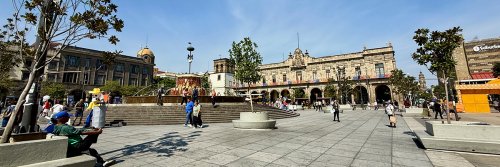
Once a small colonial town, Guadalajara has transformed into a vibrant and bustling metropolis, blending the old with the new. Often referred to as ‘The Pearl of the West’, it’s home to the world’s largest inland tequila distillery, The Jose Cuervo distillery, which you can visit and knock back a few exquisite glasses of tequila if you are so inclined. It’s also home to the world’s first ‘Tapatio’ hot sauce factory, a staple of Mexican cuisine. It’s said that you haven’t really been to Guadalajara until you have bitten into a ‘torta ahogada’ (a sandwich drowned in spicy tomato sauce) bought from a street vendor. You know you are in for a treat when the city’s mascot is a giant jalapeño named ‘Jalapeñito,’ which can be seen in various parts of the city. Any city reveling in a radish festival (La Noche de los Rábanos or The Night of the Radishes) has got to lure adventurous souls with its somewhat gritty, playful reputation.
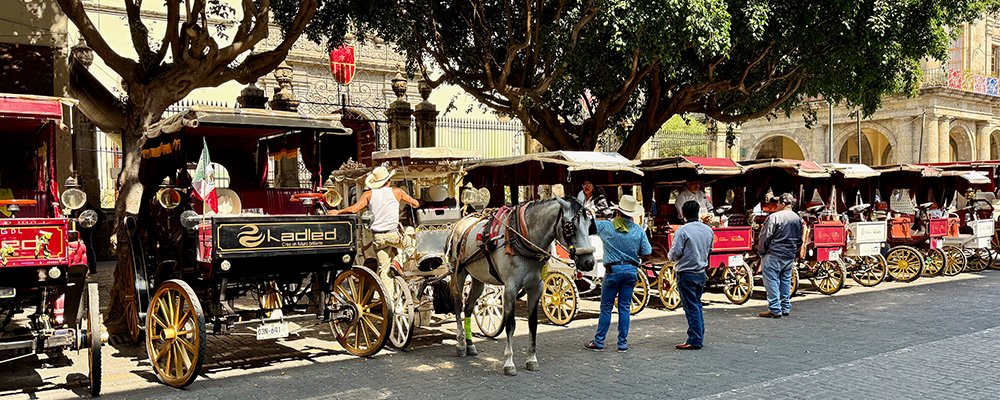
The imagination runs riot when contemplating a visit to the city of Guadalajara, which claims to be the birthplace of mariachi. For those not in the know, ‘mariachi’ is an iconic music genre of Mexico dating back to the 19th Century. The name ‘mariachi’ is thought to be derived from the French word ‘marriage’ or the indigenous term ‘mahire’, but whatever its roots, Guadalajara played a significant role in popularizing this genre. Traditionally, mariachi ensembles consist of string instruments (violins, guitars, and guitarrón—a very large, deep-bodied, fretless six-string acoustic bass), while the use of trumpets was introduced later. Performed at festivals, social gatherings of any kind, celebrations, and at your dinner table in a restaurant, the music is rich with the sounds of everyday life, love, and patriotism. The city’s vibrant mariachi tradition was further cemented when UNESCO declared mariachi a Masterpiece of the Oral and Intangible Heritage of Humanity in 2011, recognizing its cultural importance. You will hear a mariachi band playing, long before you may see them, in the streets, in restaurants, and in plazas throughout the city.
From anticipating ‘mouth burn’ when indulging in a torta ahogada to travel warnings for Guadalajara regarding organized crime, drug trafficking, and criminal organizations often engaged in turf wars, organizing a stay in Guadalajara can sound a bit daunting. Add the petty crimes that many large cities (Guadalajara is Mexico’s third-largest city, with a population of 5.6 million) have, such as pickpocketing and theft in crowded areas, especially around markets, public transportation, and popular tourist sites, and the whole Guadalajara scene can ring alarm bells for some—especially when you get forewarned by the management of your accommodation to never stand in the street with your mobile in your hand unless you want to lose it to an opportunistic local!
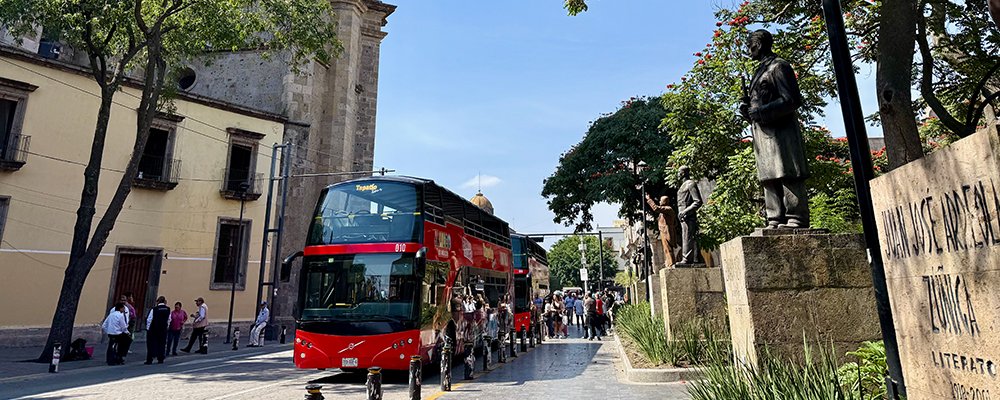
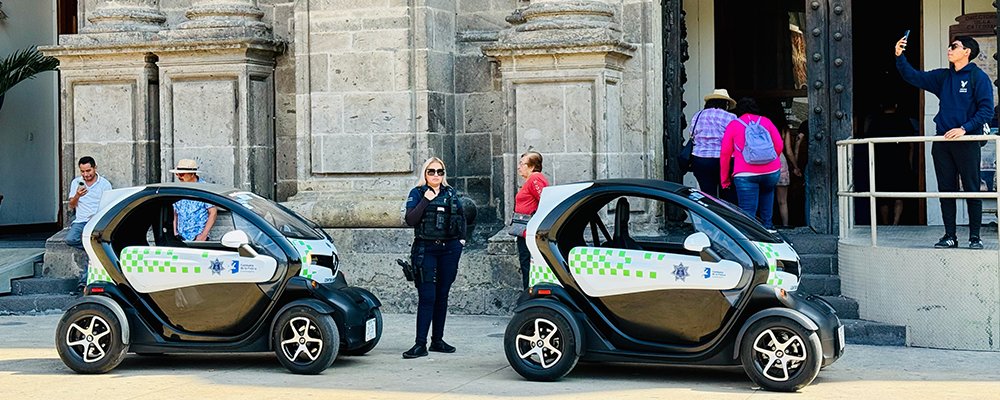
Like many cities worldwide, the infrastructure faces challenges, including traffic congestion and inadequate public transportation, which can lead to accidents and delays. Road safety is a concern, with reckless driving and insufficient traffic regulation sometimes resulting in accidents. Driving around, you will see numerous police with what I call ‘big guns’ strategically placed in city streets and parked beside main countryside highways. Social disparities also contribute to the level of crime rates and social unrest, with particular neighborhoods being hotspots for illegal activities, creating cycles of violence and hardship.
Changing the fabric of its urban landscape is the fact that the city has become a hub for technology and innovation, crowning the city as the ‘Silicon Valley of Mexico,’ which has attracted startups and entrepreneurs from around the world. Guadalajara is home to 23% of Mexico’s software engineers, hosts over 1,000 tech companies, and has about 35 research centers for the big players such as Facebook and Google. This is due to its strategic location and time zone alignment with the United States, as well as its cost efficiency compared to operating out of the United States. The Guadalajara government has pushed the city into the tech boom by providing many tech institutions with training programs for the industry's newbies. This influx of tech-savvy Gen Zs has created a buzzing, exciting international atmosphere in trendy suburbs such as Chapalita and Colonia Americana.
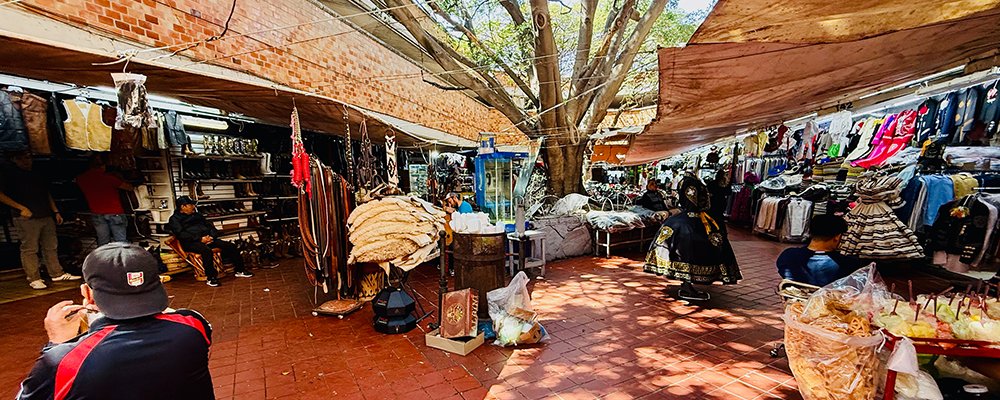
Despite Guadalajara’s sketchy reputation, it’s worth doing a bit of homework before meandering its streets, which are a colorful tapestry of history and culture where colonial architecture meets bustling markets and contemporary urban life, where modern cafes sit in historic plazas, and you can still get your leather shoes shined for minimal cost.
The ‘safe’ areas for tourists:
Colonia Americana
Often referred to as one of the coolest neighborhoods in the city, it’s walkable, overflowing with cafes, bars, and restaurants, where the boutique shopping around Avenida Chapultepec will have you skipping down the streets.
Providencia
Affluent area with plenty of upmarket restaurants, well-kept streets, and a plethora of shopping centers to meander around.
Chapalita
Relaxed, super green, and secure, Chapalita is ideal for tourists wanting a chill-out vibe with easy access to all the city’s attractions.
Tlaquepaque
A safe haven for walking at night, this enclave has pedestrian-friendly streets lined with artisan galleries and restaurants.
Iconic landmarks not to miss:
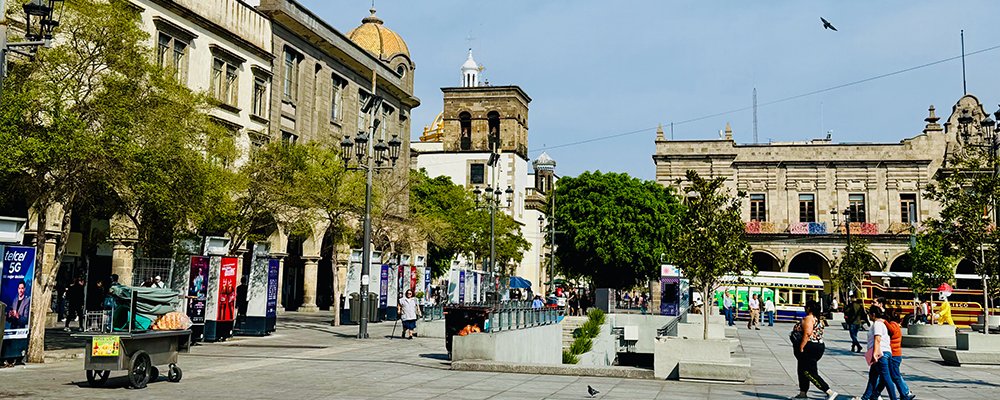
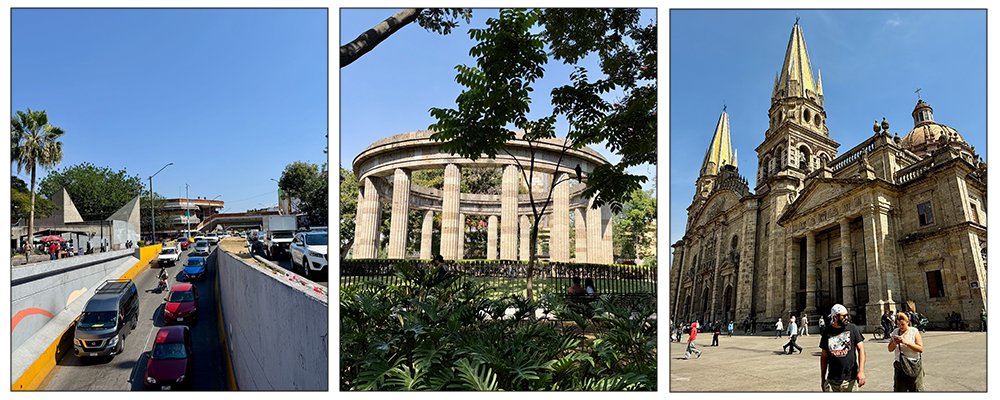
The historic center, or Centro Histórico, is home to numerous architectural treasures, such as the Guadalajara Cathedral, with its stunning twin towers and intricate facade, which dominates the main square, or ‘Plaza de Armas.’ Charming streets surrounding the plaza are lined with eye-catching buildings, restaurants, and shops. Head up Calle Miquel Hidalgo and Calle Morelos, which are often alive with street performers and vendors. The Mercado San Juan de Dios, one of Latin America's largest indoor markets, offers a sensory overload of sights, sounds, and smells. From local produce to traditional food, its corridors are a labyrinthine of surprises.
To get around, I recommend using Uber as they are plentiful, safe, and cheap.
Gail Palethorpe, a self proclaimed Australian gypsy, is a freelance writer, photographer and eternal traveller. Check out her website Gail Palethorpe Photography and her Shutterstock profile.