A culinary adventure that could make even the bravest eater hesitate but also laugh out loud; what food you choose to put in your mouth when in Peru may leave your mind boggled.
It’s all about embracing the chaos of flavors and textures, and cute little cooked critters.
Peru has earned a reputation as one of the best places for food in the world because of its rich culinary heritage, diverse ingredients, and unique fusion of flavors. The country's geographical diversity, which includes the Andes Mountains, Amazon rainforest, coastal deserts, and highlands, provides a wide variety of fresh produce, seafood, and meats that form the foundation of Peruvian cuisine.
Get ready to put in your mouth:
Cuy
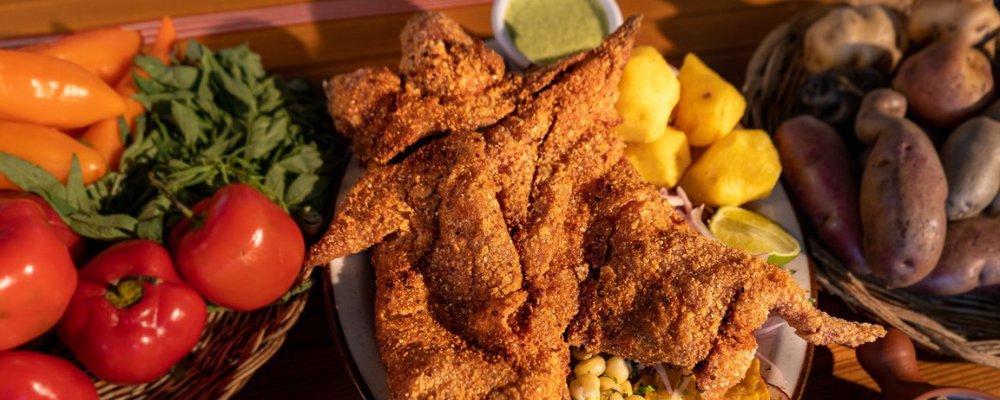
Imagine sitting down at a bustling market stall and being offered cuy, or guinea pig, a delicacy that’s been part of Andean highlands’ culture for centuries. It’s adorable enough to make you feel guilty, but then you remember that it’s basically the Peruvian version of fried chicken—just with a more exotic twist. It looks a bit like a tiny, furry dinosaur that’s been cooked to perfection. You might find yourself pondering, “Is this really a pet or a meal?” The answer is usually “both,” depending on your culinary bravery.
The moment you take your first bite of cuy, it’s like a rollercoaster ride for your taste buds. First, there’s the crispy skin, which crackles like a well-loved potato chip and promises a delightful crunch. Beneath that crispy exterior lies tender, succulent meat with a taste that’s a curious blend of chicken and rabbit, but with a slightly gamier, more adventurous edge—like chicken that decided to take up running marathons and then decided to go on a flavor bender. The first bite is a revelation; the meat is moist and seasoned with a blend of herbs and spices that make your taste buds do a little dance. It’s like a flavor party in your mouth, with each bite bringing new surprises. Sometimes, you’ll find a bit of crispy, caramelized skin in a mouthful that adds a smoky depth.
Roasted Llama
Munching on roasted llama is a sensory adventure. These quirky-looking animals, which bask in the Andean sun and bounce around the high Andean regions, taste somewhere between beef and a mysterious, slightly gamey cousin. It’s truly a test of your palate—and your willingness to embrace the unexpected. Roasted to perfection, the first thing you notice is the aroma—rich and earthy, with hints of something else, like a mysterious highland beast marinated in the secrets of the Andes.
As you cut into the roasted llama, you might feel a thrill of anticipation—like opening a present that looks suspiciously like a very large, very tasty rock. The meat is surprisingly tender, and the flavor is bold but not overwhelming, with a subtle gaminess that makes you feel like you’ve just tasted a piece of history—an ancient delicacy passed down through generations of Andean herders who probably thought, ‘Why not eat the llama?’
Pairing this dish with some traditional Andean sides—like quinoa, potatoes, or corn—only enhances the experience. And don’t forget the spicy sauces or tangy salsas that might accompany it; they’re the fireworks that keep your taste buds jumping. Just don’t think about seeing them in the wild with their big, soft, inquisitive eyes.
Cuachalalá
Another oddity, and not an adorable creature, cuachalalá is a traditional herbal soup originally from Mexico. The thick, wrinkly bark of an ancient native tree, Amphipterygium adstringens, is boiled into a herbal tea often touted as a miracle cure for stomach issues such as ulcers and gastritis.
The flavor is like a wild adventure in a forest—earthy with slightly bitter undertones mixed with a hint of something green and leafy that could easily be mistaken for an honest-to-goodness swamp. It’s a taste that challenges your palate. Cuachalalá is the culinary equivalent of a rollercoaster ride through a botanical garden, with unexpected twists and turns that leave you wondering if you’ve just swallowed a piece of nature’s secret recipe. Despite its earthy, somewhat pungent flavor, Cuachalalá has a charm that grows on you: the taste is complex, with hints of herbal bitterness balanced by a surprisingly subtle depth. It’s not a dish for the faint-hearted or those expecting a sugar rush—this is a meditative experience for your taste buds with supposedly healthy benefits.
Patitas de cherdo (chancho)
Found in bustling Peruvian markets where the aroma of spices, grilled meats, and something intriguingly gelatinous hits you like a gust of warm wind. This dish is a revered local favorite akin to a secret family recipe passed down through generations, only to be shared with brave outsiders who dare to try. For many Peruvians, it’s comfort food, a nostalgic reminder of childhood or a hearty dish to fuel a long day of market bargaining. For tourists, it’s a rite of passage, a culinary “get out of your comfort zone” challenge.
Think little piggies’ feet (or don’t think about it before you try it) braised and served in a creamy, spicy peanut sauce. It’s a mouthful of tender, jiggly goodness that wiggles like a bowl of Jell-O. The taste is a complex symphony of flavors—smoky and savory, with a hint of life's wild side —all wrapped up in a chewy, gelatinous package. It’s like the pork version of a gummy bear—if gummy bears grew up on a farm. It’s often served with a side of spicy salsa, fresh corn, or crispy yucca, with each family adding their own twist—sometimes a squeeze of lime, or a handful of cilantro.
Frog Juice—do not go there!
The Lake Titicaca giant frog (Telmatobius culeus) is one of the largest aquatic frogs, weighing up to 1 kg and covered in wrinkly, saggy skin. It only lives in Lake Titicaca, at high altitude on the border of Peru and Bolivia. This big frog faces critical endangerment because of overhunting for traditional uses and the illegal wildlife trade. Locals and market vendors, particularly in Lima, prepare a controversial blend called "frog juice," which includes live frogs mixed with ingredients like maca root, honey, and fruit. This drink is believed to be an aphrodisiac, earning it the nickname ‘Viagra of the Incas.’ However, this practice has significantly contributed to the frog’s decline. If you see it at a market, do not buy it and save this incredible creature of nature.
Eating strange foods in Peru isn’t just about satisfying curiosity; it’s about immersing yourself in a culture that celebrates its culinary quirks with pride. You might start out in hesitant mode, but by the end of the meal, you’ll find yourself laughing at the absurdity of it all, proud of your bravery, and maybe even planning your next culinary adventure. Eating strange food in Peru isn’t just a meal—it’s an experience that turns even the most cautious eater into an intrepid explorer, one big bite or slurp at a time.
Gail Palethorpe, a self proclaimed Australian gypsy, is a freelance writer, photographer and eternal traveller. Check out her website Gail Palethorpe Photography and her Shutterstock profile.