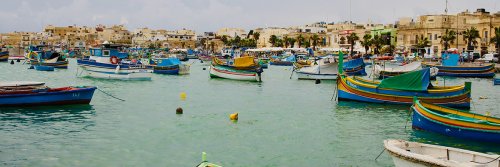
While in Malta, wishing for some laidback ambiance with fresh salty air blowing through your hair, head to the cute fishing village of Marsaxlokk (pronounced marsa-schlock). It’s the fairytale version of a traditional fishing village of yesteryear with a history of myths and fables about mermaids and mythical sea creatures to ignite your imagination. When the sun is glittering in the sky, the sea is a blue vista with gently bobbing iconic ‘luzzus’ (aka traditional colorful fishing boats), while if a storm threatens, the skies become a brooding blanket smothering grey waters.
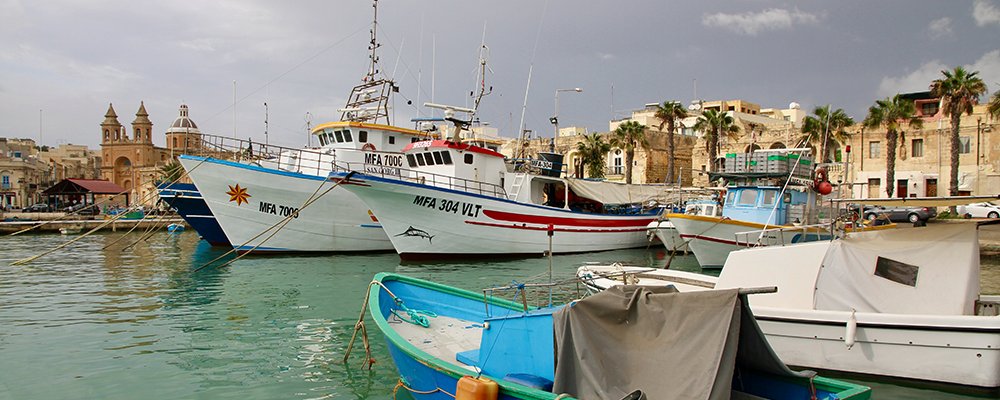
The village’s name is derived from the Arabic word ‘marsa’ (port) and the Maltese word ‘xlokk’ (south-east), relating to the name for the dry sirocco winds blowing from the Sahara, which is ‘xaloc’ in Catalan. But if you listen to local folklore, Marsaxlokk was named after a legendary event involving fishermen and the sea, and a mythical sea creature or a guardian spirit that protects them. Another popular myth centers on the fishing boats believed to be protected by a magical eye painted on their bows, known as the ‘Eye of Osiris’, a symbol from ancient Egyptian mythology believed to ward off evil spirits and bad luck, ensuring safe passage for fishermen as they ventured into the treacherous waters. These stories highlight the community’s reliance on symbolism and superstition to safeguard their livelihood, reflecting a deep-seated belief in divine protection and the mystical power of symbols.
More legends are told of mythical sea creatures, such as mermaids and sea monsters, that once haunted the waters around Marsaxlokk. Fishermen would tell tales of encountering these beings during their nocturnal fishing trips, reinforcing the villagers’ respect for nature and their acknowledgment of the sea’s mysterious and sometimes dangerous aspects. One of the most charming fables involves the annual fishing feast, where fishermen would leave offerings and prayers to the sea gods for a bountiful catch. These rituals, often accompanied by music and dance, were believed to appease the spirits of the deep and ensure the safety and prosperity of the community. Over time, these traditions have become an integral part of Marsaxlokk’s cultural identity, blending myth and reality into a vibrant tapestry of local lore.
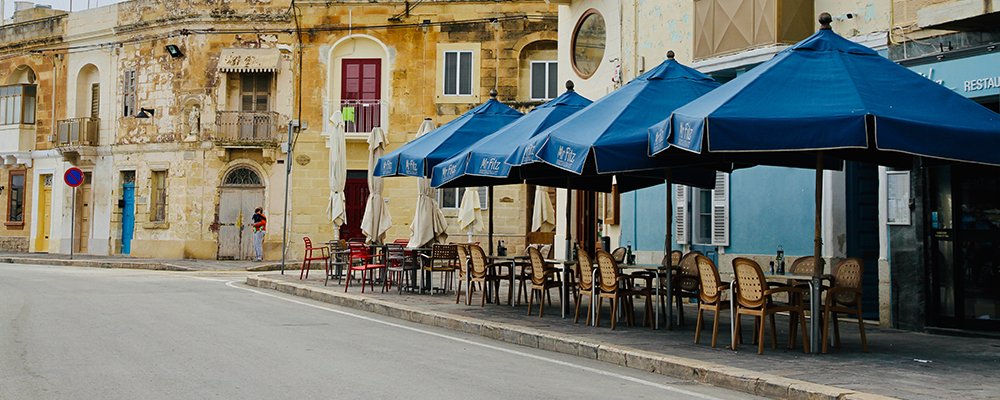
This quaint village dates back to ancient times, with archaeological evidence suggesting it was inhabited during the Phoenician and Roman periods. Throughout the centuries, the village’s strategic location made it an important center for fishing, trade, and maritime activities. In the medieval period, Marsaxlokk was known for its bustling fish market and was a hub for fishermen who relied on the abundant marine resources of the surrounding Mediterranean Sea.
In the 17th and 18th centuries, the village saw significant development with the construction of defensive structures to protect against pirate attacks and invading forces. The most notable of these is the fortification of the bay, which helped secure the harbor and sustain its role as a key maritime hub. During British rule in the 19th and early 20th centuries, Marsaxlokk continued to thrive as a fishing village, while also serving as a strategic naval outpost. The British built military installations and improved the port facilities, further cementing its importance in Malta’s maritime landscape.
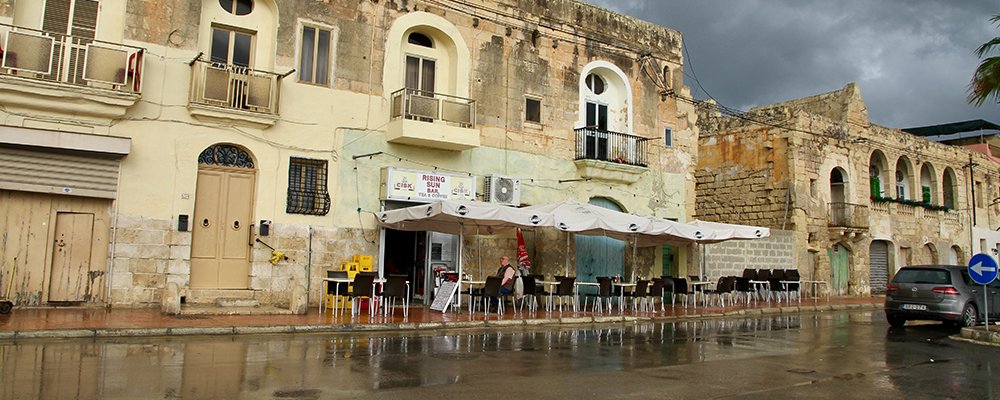
The 20th century brought modernization and expansion to Marsaxlokk, while retaining its traditional charm. Today, the village is famous for its picturesque waterfront, lively Sunday fish market, and traditional eateries serving fresh seafood. The local community remains deeply connected to its fishing roots, and the village’s cultural heritage is celebrated through festivals and events, such as the yearly ‘Festa of Our Lady of Pompeii’. Another highlight is the Sunday fish market, a lively event when vendors sell a variety of fresh catch from the sea, including swordfish, tuna, octopus, squid, and other Mediterranean fish. The market offers an authentic experience of Maltese culture and provides an opportunity to purchase local produce and souvenirs.
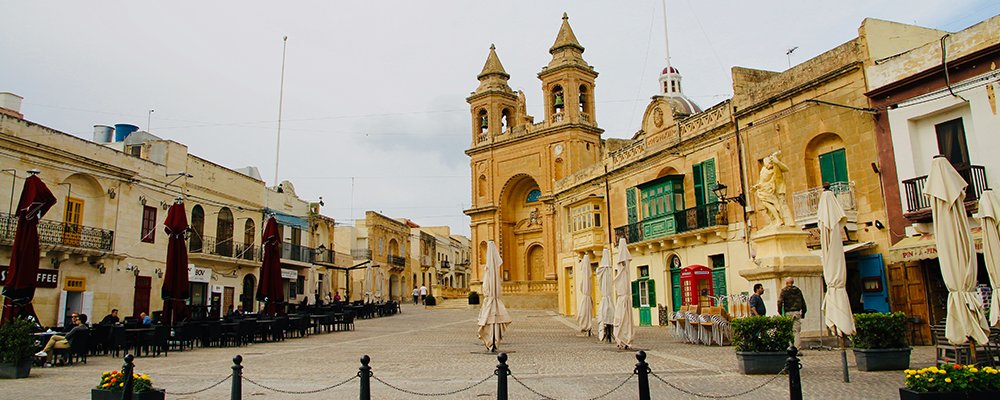
For the history buff, the village has several notable sites. The Parish Church of St. Peter and St. Paul, situated in the heart of Marsaxlokk, is an impressive baroque structure that dates back to the 19th century. Its beautiful façade and ornate interior are worth exploring. Additionally, the nearby Malta Maritime Museum offers fascinating exhibits on Malta’s maritime history, including models of ships, navigation instruments, and stories of famous sailors and ships that have passed through Malta’s waters.
Marsaxlokk also serves as a gateway to explore the surrounding natural beauty of Malta’s southern coast. The nearby Għar Dalam Cave is an archaeological site with prehistoric significance, showcasing fossils and relics from Malta’s ancient past. For those interested in outdoor activities, the nearby nature reserves and coastal walks provide stunning views of the Mediterranean landscape. Nearby, you can explore the St. Peter’s Pool, a natural swimming pool formed from volcanic rock, famous for its crystal-clear waters and unique rock formations.
For me, it was the temptation of sitting on a restaurant terrace sipping a ‘Bajtra Spritz’ (Maltese Spritz) made with prickly pear liqueur, sparkling rosé or prosecco, a splash of soda water, and a garnish of mint or orange, while perusing a menu of local seafood specialties that enticed me to this charming village. It definitely wasn’t to indulge in hiking the rugged path to get into position for the terrifying 6m cliff jump at St Peter’s Pool! This natural pool area attracts both daredevil locals and tourists seeking a thrill. The pools are carved into the rugged limestone coastline, creating a series of small, interconnected basins that are perfect for swimming, snorkeling, and relaxing in the sun.
Gail Palethorpe, a self proclaimed Australian gypsy, is a freelance writer, photographer and eternal traveller. Check out her website Gail Palethorpe Photography and her Shutterstock profile.