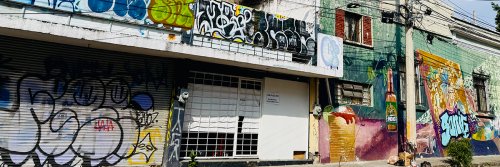
A dynamic cultural hub, Guadalajara boasts a lively arts scene and colorful street life. Here, the street graffiti and art hit you in the face with their powerful brushstrokes, reflecting urban and social issues as you walk down numerous streets. It’s a testament to the vibe of youthful energy and cultural identity that has evolved from mere vandalism into a respected art form, creating a visual dialogue that often addresses themes such as political activism, social justice, and local traditions. Guadalajara, the capital of Jalisco, has a long history of artistic innovation, from traditional to modern art movements. Its long association with and love of art can be traced back to indigenous traditions, reflected in vibrant textiles, folk art, and ceramics. In addition to the open-air gallery, the city has numerous art galleries that serve as hubs for fostering local talent and celebrating its rich artistic heritage. Held annually, the festival ‘Feria de la Artesanía’ showcases the region’s rich artisanal craftsmanship.
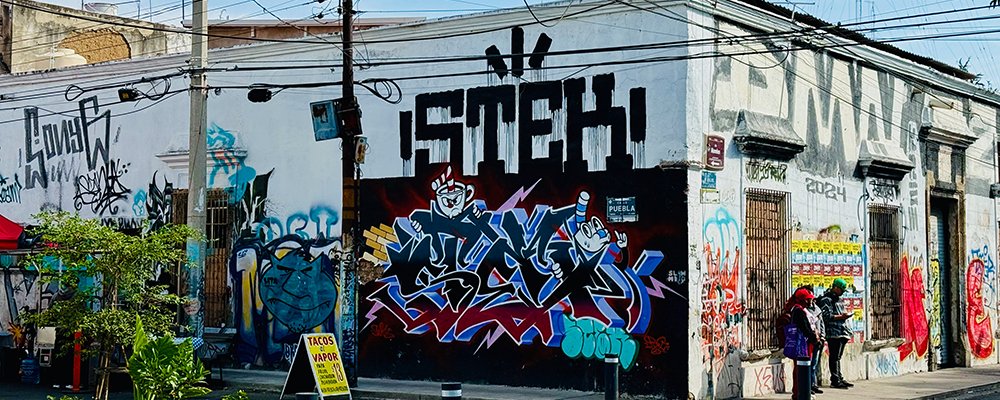
Guadalajara’s street art and graffiti can be traced back to the late 20th century, when it was influenced by global graffiti movements that gained momentum in the 1980s and 1990s. Initially considered illegal, graffiti and street art were primarily acts of rebellion by young artists and community activists seeking to make their voices heard in a city known for its vibrant yet complex social fabric. This perception changed over time as artists became recognized for their talents and for transforming blank walls into canvases of skillful artistic expression.
In fact, many of these walls splattered with paint have become celebrated public art, showcasing diverse styles ranging from intricate murals depicting historical figures to bold, abstract cultural symbols representing traditional indigenous motifs and local folklore. Initiatives such as mural festivals and guided tours have helped legitimize graffiti as an important part of Guadalajara’s urban landscape. For example, the annual Guadalajara International Mural Festival attracts artists from across Mexico and beyond, transforming neighborhoods into open-air galleries. These events not only beautify the city but also foster community engagement and support local artists' careers. The growth of street art in the city can be attributed to local influences and a growing community of artists eager to reclaim public spaces by engaging with locals. This cultural phenomenon fosters community pride.
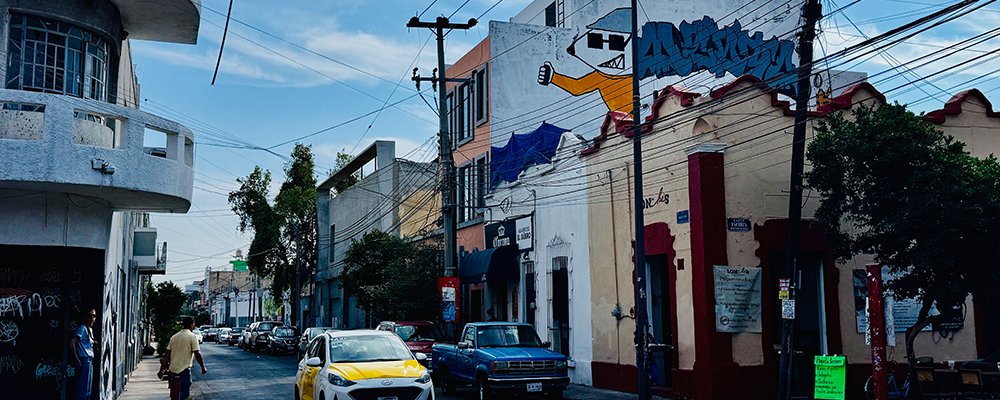
Head to the neighborhoods of Tlaquepaque, Centro Histórico, and Colonia Americana to feast your eyes on a vision of diversity splattered across streetside walls that has created a narrative of the Mexican heritage in story form. The artists often work under pseudonyms or anonymously. But a few, such as Saner, Cix, and C.F., have signed their work, gaining recognition for their striking murals and powerful messages. Brilliant art adorns the facades and walls of the neighborhoods of Tlaquepaque, with its traditional works, and of Centro Histórico, especially around Plaza Universidad, near the Teatro Degollado and the Biblioteca Iberoamericana Octavio Paz.
More are splashed on walls amidst the leafy streets of Colonia Americana, the oldest neighborhood of Barrio de Analco, and there is the famous stretch of murals on concrete walls running along the border connecting Colonia Americana and Colonia Moderna. Colonia Providencia features a more eclectic mix of styles, where graffiti tags coexist with large-scale murals. Local businesses and residents often collaborate with artists to commission works that reflect community stories and aspirations.
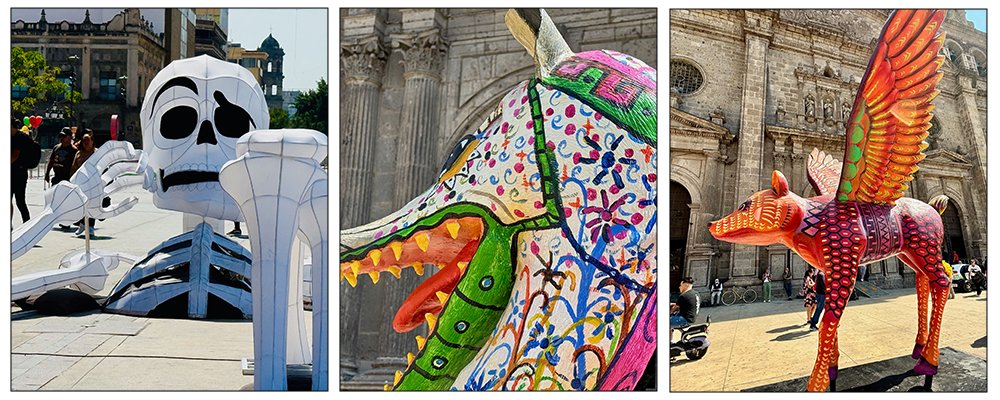
The legitimization and elevation of street art and graffiti by local governments is still underway, with some supporting mural projects to recognize that it revitalizes neglected neighborhoods and reduces vandalism through sanctioned art spaces. The murals often form landmarks for tourists and art enthusiasts, thereby contributing to local economies. These urban art forms create a sense of pride and belonging among neighborhoods, telling the stories of their locals.
However, some authorities continue to view graffiti as an urban blight, instigating crackdowns and the removal of unauthorized works. Striking the right balance between artistic freedom and city regulations is a contentious issue, despite their significance as cultural and social phenomena.
For the storytelling artist, Guadalajara’s streets will remain a canvas of creativity, dialogue, and community resilience.
Gail Palethorpe, a self proclaimed Australian gypsy, is a freelance writer, photographer and eternal traveller. Check out her website Gail Palethorpe Photography and her Shutterstock profile.