Tunisia is a captivating travel destination that offers a rich blend of history, culture, natural beauty, and modern amenities, with an incredible historical heritage showcased in its fabulous food. Home to some of the most impressive ancient sites, including the city of Carthage, a UNESCO World Heritage site that was once a powerful Phoenician and Roman metropolis, you can explore the well-preserved ruins, including amphitheaters, baths, and ancient harbor remnants, that tell stories of a glorious past. Meander around the ancient city of Dougga and the impressive Roman amphitheater in El Jem after tucking into the country’s iconic dish ‘Lablabi’ (a hearty chickpea stew-soup flavored with garlic, cumin, and harissa, served over slices of stale bread and topped with a poached egg, lemon, and capers) for a hearty and hefty breakfast to get you through a day of sightseeing. This spicy concoction will either have you chugging water to quell the fire or tucking in with gusto.
Beyond its historical sites and heavy brekkies, Tunisia boasts stunning natural landscapes that appeal to nature lovers. The Sahara Desert covers a significant part of the country, offering unique experiences such as camel trekking, desert camping, and sandboarding. The Sahara’s golden dunes and star-studded night skies create unforgettable memories, especially when it’s time to be fed. Expect to be dished up nomadic couscous (cooked over an open fire with goat, lamb, or camel meat, local desert spices, and slow-cooked vegies), add to this some ‘sand bread’ (Khobz el Mella—a simple dough buried in hot sand and embers), or maybe ‘Chorba’, a Saharan soup chock full of vegetables and meat. To quench your thirst, you will be offered heavily sweetened mint tea, poured from a height to create a frothy top and sprinkled with local pine nuts.
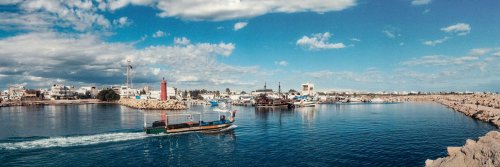
For those interested in Mediterranean beaches, Tunisia’s coastal areas are perfect for relaxation and water sports. The beaches o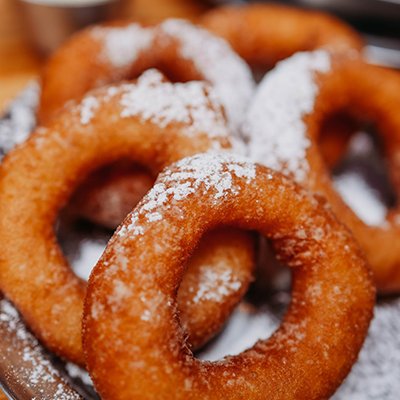 f Hammamet, Sousse, and Djerba are particularly popular, with their clear turquoise waters, soft sands, and vibrant resorts. When sauntering along promenades dotted with local food stalls, you will find ‘brik’ (a delicate pastry sheet folded over an egg and savory fillings, then popped into a deep fryer) that will leave you drooling for another one. Or try a ‘fricasse’ that’s a mouthful of savory bun sliced open and stuffed with tuna, boiled potatoes, olives, hard-boiled eggs, and super fiery harissa. For the sweet lover, there are fluffy donut rings smothered in sugar called ‘bambalouni’. And for those that can’t go without a pizza, the traditional ‘makloub’ will have your mouth watering. It’s a folded pizza flatbread stuffed with grilled chicken, fresh vegetables, cheese, and again, like many Tunisian dishes, drizzled with mouth-blistering harissa.
Traditional Tunisian foods are not only about taste but also about tradition and community. They reflect the country’s historical crossroads—Arab, Berber, Ottoman, and French influences—each leaving its mark. It’s a vibrant culinary scene that celebrates its heritage with bold flavors and spices, especially harissa—a fiery chili paste that adds heat and depth to many dishes. Fresh herbs, garlic, and olive oil further enhance the taste profile, making Tunisian street cuisine distinctively flavorful. Markets and street stalls are lively hubs where vendors quickly prepare and serve these dishes, often creating a communal eating experience that fosters social bonds. Street food culture in Tunisia is deeply rooted in daily life, especially in urban areas like Tunis, Sfax, and Sousse, where the aroma of grilled meats and spices waft through the air. Found across North Africa and the Middle East, ‘shakshuka’ consists of eggs poached in a spicy tomato sauce with peppers and onions, often served with bread for dipping. Another dish, ‘ojja ’, is a spicy stew of eggs poached in a tomato, garlic, and bell pepper sauce, sometimes served with pieces of sausage or seafood. And ‘kefta’ sandwiches are a baguette of grilled spiced ground meat and various toppings that defy fitting in your mouth. Another essential aspect of Tunisian cuisine is the use of olive oil, which is abundant in the region and used generously in cooking and dressing salads.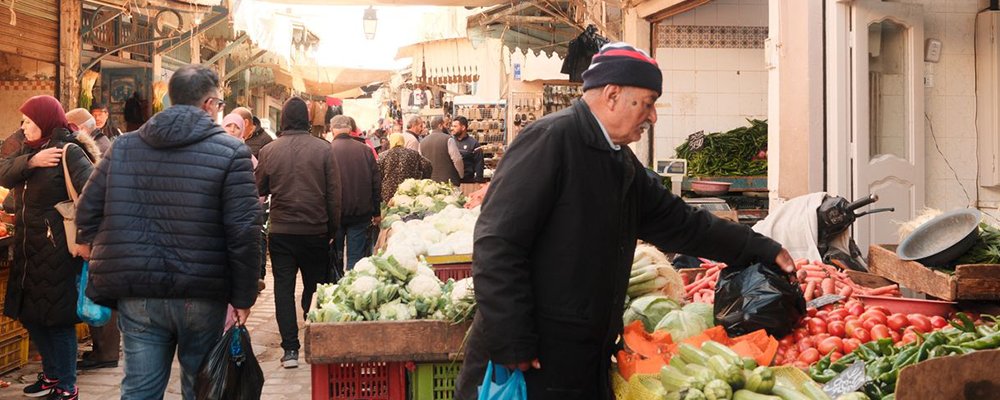
Seafood plays a prominent role in coastal regions, with dishes like grilled fish seasoned with lemon and herbs, and calamari prepared with tomatoes and spices. The country’s proximity to the Mediterranean Sea ensures a plentiful supply of fresh seafood, which is often featured in traditional meals. Vegetables are roasted, stewed, or incorporated into salads. Tomatoes, peppers, onions, and carrots are common ingredients, providing vibrant colors and flavors. A popular salad is salade mechouia, made from roasted peppers, tomatoes, onions, and garlic, chopped and seasoned with olive oil and spices. This dish is often served as a side or appetizer.
‘Baklava’, of course, creates a sweet party in your mouth of thin layers of filo pastry, honey, and nuts, as does the popular treat ‘makroudh’ a sweet pastry filled with dates or honey. People also enjoy fresh fruits such as figs, dates, and citrus fruits, often served as a healthy end to meals.
Tunisia is known for its vibrant food markets, where vendors sell fresh produce, spices, and prepared foods. These markets reflect the country’s rich culinary tradition and the importance of food in Tunisian culture.
Gail Palethorpe, a self proclaimed Australian gypsy, is a freelance writer, photographer and eternal traveller. Check out her website Gail Palethorpe Photography and her Shutterstock profile.