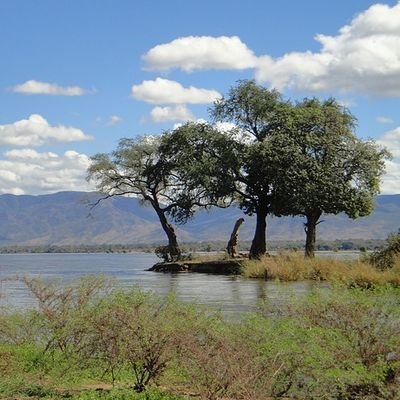

For outdoor vacation beginners, especially busy adults used to predictable hotels and schedules, getting away into the wild can feel both exciting and oddly stressful. The outdoor recreation benefits are real: clearer headspace, stronger connection with friends or family, and the steady calm that comes from nature immersion. The core tension is that planning an outdoor trip often brings holiday outdoor challenges that don’t show up on city breaks, and small unknowns can snowball into last-minute doubt. With the right expectations, the trip can feel simple, steady, and worth it.
Quick Summary: Outdoor Vacation Confidence Boost
- Plan an outdoor trip itinerary with realistic distances, rest stops, and backup options.
- Check forecasts and pack layers so weather changes stay manageable.
- Pack from a checklist so essentials like first aid, lighting, and sun protection are covered.
- Carry enough water and drink regularly to support energy and safety outdoors.
- Follow environmental responsibility and use basic navigation tools to stay on track.
Build a One-File Trip Pack for Permits, Confirmations, and Your Plan
Once you’ve got the quick essentials in mind, it’s easier to stay calm if every key document is also in one place. Before an outdoor vacation, pull your confirmations, permits, maps, and packing list into a single, shareable PDF “trip pack” you can open fast. Online PDF tools make this straightforward because you can convert files into PDF, compress large scans, edit small details, rotate sideways pages, and reorder everything so it reads in a logical sequence. If you want a simple place to do those tasks, you can use an online PDF tool like circle back to this to assemble one clean file instead of juggling multiple attachments.
Just as important: download that final PDF to your phone or tablet ahead of time. When you’re on the road, or at the trailhead, cell service can be limited or disappear entirely, and having offline access means you’re not stuck hunting for a signal to find a permit, reservation code, or map. With your documents and a basic plan consolidated, you’re ready to move into a step-by-step approach to planning, packing, and heading out.
Plan Each Outdoor Day for Safety and Fun
With your plans gathered and easy to access, use this simple workflow to make smart choices before you leave and while you are out there. It helps beginners avoid the most common trip stressors: surprise weather, wrong gear, running low on water, and getting turned around.
1. Research the destination like a checklist
Start with what you will actually do each day: hiking, paddling, cycling, sightseeing, or a mix. Confirm trail or activity rules, difficulty, hours, reservations, and any seasonal closures, then write a one-line “plan A” and “plan B” for each day so you have options if conditions change.
2. Check weather twice and plan for swings
Review the forecast 3 to 5 days out, then check again the night before and the morning you head out. Look past the temperature and note wind, rain chances, and overnight lows, then pack layers and one reliable rain or wind shell so you can stay comfortable without overpacking.
3. Choose activity-specific gear and test it once
Match gear to your top activities, not to general “outdoor” packing advice: broken-in shoes for hiking, sun protection for open terrain, and a headlamp for early starts or late finishes. Do a short test run at home with your daypack and key items so you can adjust fit, fix rubbing points, and confirm everything works.
4. Build a hydration habit you can follow
Decide where your water will come from each day, such as refills, carried bottles, or a filter, and set simple reminders like “sip every 15 minutes” or “finish one bottle by lunch.” A steady routine matters because many people underestimate how much they need while active, and 58% of travelers do at least one outdoor activity annually.
5. Navigate simply and reduce impact as you go
Use two navigation methods, such as a downloaded map on your phone plus a paper map, and practice identifying your starting point, turns, and turnaround time before you move. Keep your footprint light by staying on durable surfaces, packing out trash, and minimizing noise and wildlife disturbance, which makes the place better for everyone who comes after you.

Outdoor Vacation Prep Questions, Answered
Q: What are the non negotiable safety basics for a beginner day out?
A: Carry water, a warm layer, rain protection, a headlamp, and a way to call for help. Tell one person where you are going and when you plan to return. A simple habit like checking the weather before you leave reduces preventable surprises.
Q: How do I pack without overpacking or forgetting something important?
A: Start early so you are not guessing at midnight. Many checklists suggest you start packing 2-3 days before departure so you can test items, do laundry, and replace missing basics.
Q: What should I do if the weather suddenly changes while I am outside?
A: Slow down, add layers before you feel chilled, and put on your shell as soon as wind or rain starts. If conditions keep worsening, turn around early and choose a lower risk option like a shorter route.
Q: How can I avoid getting lost if I am not great with maps?
A: Use two tools, like an offline phone map plus a paper backup, and confirm your starting point before you walk away from it. If you feel unsure, stop moving, retrace to the last clear landmark, and reassess.
Q: Can I travel more sustainably on my very first outdoor trip?
A: Yes, keep it simple: refill a bottle, bring a small trash bag, and stick to durable paths. Choosing fewer disposables matters because global travelers express desire to travel more sustainably.
Plan Simply, Unplug More, and Enjoy Outdoor Trips Confidently
It’s easy to crave the reset of an outdoor vacation and still worry about getting lost, underpacked, or caught off-guard by weather. The way through is a calm, beginner-friendly mindset: do a little pre-trip planning, stay flexible, and trust your growing confidence in outdoor trips. With that approach, beginner outdoor success starts to feel repeatable, and outdoor vacation motivation turns into real follow-through. A little planning and a little presence are what make outdoor trips feel easy.