Seeing lions in the wild is an experience that never leaves you. It’s a tumbling confusion of awe, excitement, reverence, and fear. When you are close enough to smell their musky fur coated in warm dust, shrouded in a heavy and gamey body odor, there is an underlying thrill—the adrenaline rush that comes with observing a predator that symbolizes both beauty and danger. The sight of a lion’s regal posture, its commanding presence, and the raw power it exudes can leave an indelible impression, stirring feelings of admiration and respect for the animal’s strength and grace, especially if it decides to stalk around or get super close to the jeep you are touring in. It’s definitely not the time to jump out for that quick pee stop!
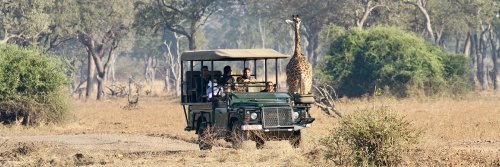
One of nature’s most iconic animals, seeing a lion in its own environment can make you feel a bit uneasy about its unpredictable nature—you will quickly make sure that your whole body is encased within the jeep. The realization that these animals are powerful predators capable of tearing you apart as they do to any other prey underscores the respect humans must have for nature’s might. This blend of admiration and fear fosters a sense of humility, recognizing humans as mere visitors in the lions’ domain. It’s with fascination that you may attempt to capture these majestic creatures on film, but sometimes you just have to sit in awe, without a camera lens between you and your surroundings to take it all in—their social behaviors, cooperative hunting tactics, the bonds within a pride when you see dad, mum and babies playing or snuggled together. It all demonstrates the complexity and intelligence of these incredible animals.
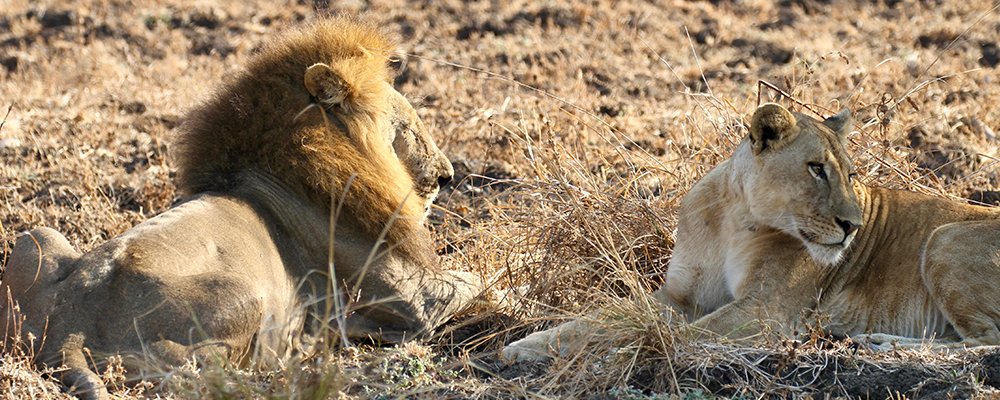
Witnessing any wildlife in their own domain often stirs an emotional connection to conservation efforts, inspiring hope and urgency to protect them from threats like habitat loss, poaching, and climate change. Observing wild animals first-hand fosters empathy and a greater appreciation for the natural world. Lions are endemic to 21 countries around the world, including 20 African nations and India, but their populations are fragmented, with some nations having fewer than 250 individuals. Most wild lions are heavily concentrated in a few strongholds, especially in Tanzania, which has the world’s largest population.
Below are the best destinations if you wish to immerse yourself in their world:
Asiatic Lion (India)
Gir National Park, in the western Indian state of Gujarat, is known worldwide as the last remaining habitat of the majestic Asiatic lions, also known as the Northern Lion. This endangered big cat is distinguished by its less abundant mane and more slender build compared to its African counterparts. They once roamed across the Middle East and India. Today, Gir is the only place where these lions survive in the wild, with their population having increased from just a few dozen in the early 20th century to over 600 today. Conservation efforts, led by the Gujarat State Forest Department and the Lion Conservation Project, have been instrumental in ensuring the survival and growth of this iconic species. The park's diverse ecosystem also supports a variety of other wildlife, including Indian leopards, hyenas, jackals, Bengal foxes, striped hyenas, marsh crocodiles, and numerous species of deer, antelopes, and birds, making it a biodiversity hotspot. The lush deciduous forests, grasslands, and dry scrublands provide an ideal environment for these species to thrive.
Tourism in Gir National Park plays a crucial role in conservation efforts while also providing economic benefits to local communities. You can take a jeep safari or a guided tour to marvel at these animals in their natural habitat and maybe create your own ‘Planet’ series. The best time to visit Gir National Park is from October to March, and if you aren’t into roughing it, there are a few 5-star accommodation options available. But do plan your trip in advance, as safari permits, vehicle quotas, and visitor regulations are strictly managed.
Southern Lion (Tanzania)
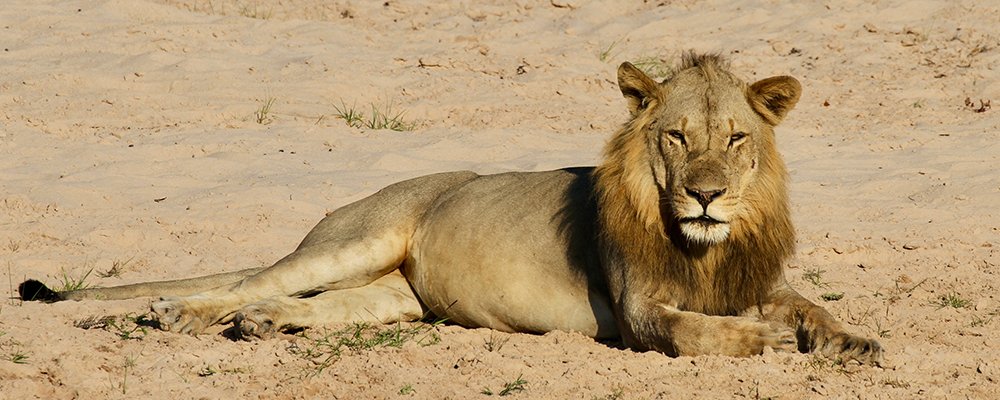
Renowned for its spectacular wildlife, Tanzania’s lion populations (Masai lion or East African lion) are primarily found in the Serengeti National Park, the Ngorongoro Conservation Area, and the Selous Game Reserve, where their populations thrive due to the vast, open landscapes and abundant prey. The Serengeti is a UNESCO World Heritage Site and one of the most famous wildlife sanctuaries globally, offering a protected environment where lions and other wildlife can thrive. Lions are a vital part of this ecosystem, playing a crucial role as apex predators that help maintain the balance of the natural environment. The prides can range from a handful of lions to over twenty members, depending on the availability of resources and the size of the territory.
Tanzanian lions are known for their impressive manes, which vary in color from light tan to dark brown, indicating the lion's age and health. These majestic creatures are primarily nocturnal, hunting during the night to catch prey such as zebras, wildebeests, buffalo, and gazelles. Their hunting strategies involve cooperative efforts, with pride members working together to stalk and ambush prey, demonstrating remarkable teamwork and patience. The best time to peek at these awesome creatures is during the annual migration of wildebeests and other prey across the plains: river crossings (July to September) and calving season (January to March).
Again, tourism plays a critical role in lion conservation, and you can spend thousands of dollars on luxurious safari lodges and eco-camps.
Southern Lion (Botswana and Kenya)
Botswana, renowned for its pristine wilderness and extensive national parks like the Okavango Delta and Chobe National Park, provides some of the best lion sightings in Africa. The vast savannahs and floodplains create perfect hunting grounds for lions, allowing visitors to observe prides in their natural habitats, hunting and socializing, or resting under the shade of acacia trees. The country's low human population density and well-preserved ecosystems contribute to the healthy lion populations, making Botswana a prime destination for wildlife enthusiasts. In Botswana, guided safaris in open-sided vehicles or on foot with expert trackers enhance the experience, enabling travelers to get up close and personal with these powerful predators while ensuring safety and conservation. From June to October (the dry season), it’s easy to track the lions as they head to the shrinking waterholes, while from November to March (greening season), it’s the birthing season and lions scatter amidst high grass.
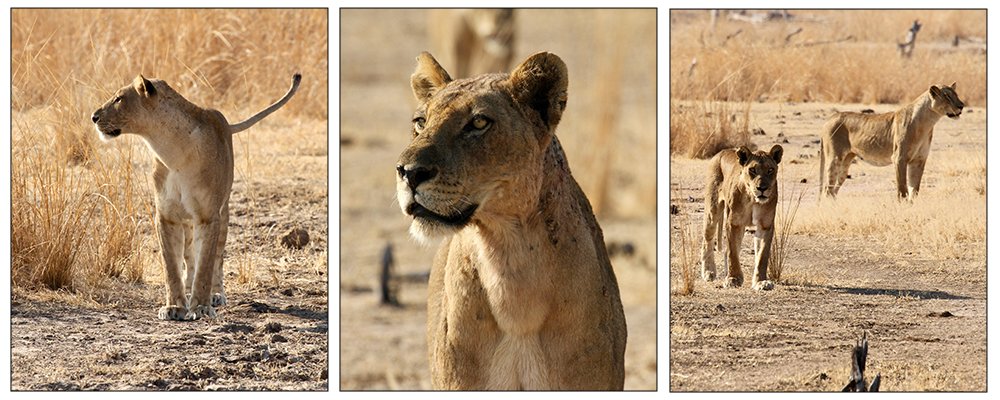
Kenya, on the other hand, is famously home to the Maasai Mara National Reserve, part of the Serengeti ecosystem, which is often dubbed the pinnacle of safari experiences. During the annual migration, which typically occurs from July to October, lion sightings become even more spectacular as large prides follow the herds of wildebeest and zebras. Kenya’s savannahs and grasslands offer iconic landscapes where lions can be seen lounging in the sun, stalking prey, or engaging in social interactions within their prides. The country’s rich biodiversity and well-established tourism infrastructure make it accessible and comfortable to see lions in the wild, whether on a game drive in the Maasai Mara or exploring lesser-known reserves like Laikipia or Samburu. And, like Tanzania, there are numerous incredible, glamorous wildlife lodges and eco-camps where you can blissfully put your head on a plush pillow at night, ready for that early morning call of the wild.
Despite their strength and agility, lions face numerous threats. Habitat loss due to human encroachment and agriculture, poaching for body parts, and conflicts with local communities are significant challenges that threaten their survival. Several national parks and reserves are dedicated to safeguarding lion populations, with strict anti-poaching laws and community-based conservation programs.
Gail Palethorpe, a self proclaimed Australian gypsy, is a freelance writer, photographer and eternal traveller. Check out her website Gail Palethorpe Photography and her Shutterstock profile.