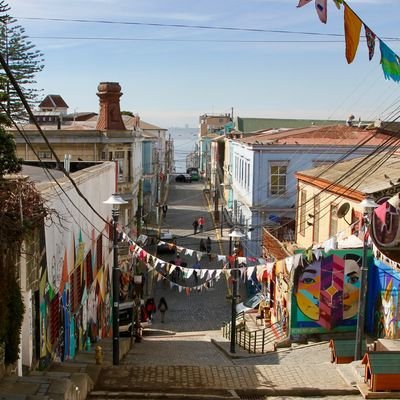
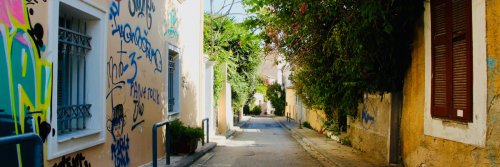
From ugly, sometimes quirky graffiti to an explosion of talented artists who have splashed their urban creativity across the streets of Athens, you will have a visual feast meandering the streets of Athens, particularly in the neighborhoods of Exarchia, Psiri, and Kolonaki, where the rebellious spirit of the youth and the activist community is palpable.
The historic capital of Greece, Athens, with its rich past and tumultuous modern history, provides fertile ground for street art to flourish, serving as a visual dialogue between past and present. Artists use walls, alleyways, and abandoned buildings as canvases to express views on political unrest, economic hardship, and social change, making street art a powerful form of grassroots communication. Many of its street artists also draw inspiration from the city’s archaeological heritage, integrating ancient motifs and symbols into contemporary works to create a striking juxtaposition that emphasizes the continuity and conflict between history and modernity.
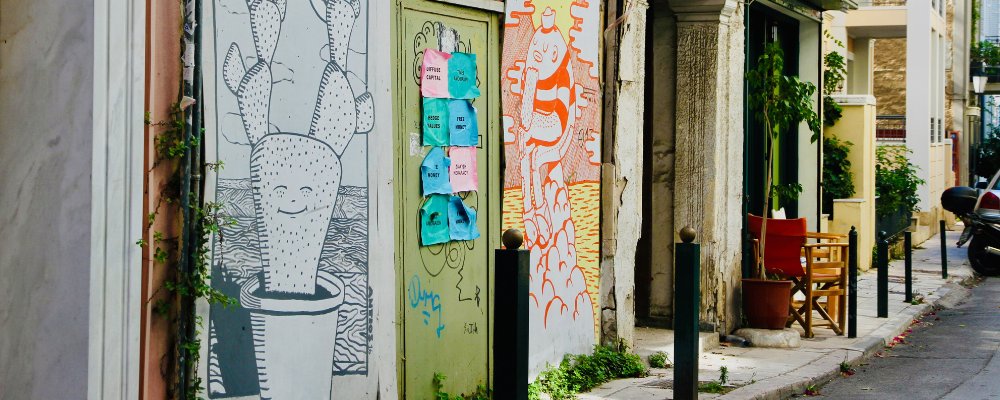
They are not just anonymous rebels; however, many do remain anonymous to preserve the raw, unfiltered nature of their messages and to avoid censorship or legal repercussions, despite gaining fame. Some have had their works exhibited in galleries and festivals worldwide, elevating the city’s reputation as a hub of contemporary urban art.
Exarchia’s street art is characterized by its diversity and rawness, ranging from large-scale murals to small stenciled messages. Many pieces are collaborative efforts, involving multiple artists or community groups, emphasizing the neighborhood's collective spirit. The art serves as activism, a way to reclaim public space, and a means of community engagement. Murals often depict figures of resistance, symbols of freedom, and images that evoke empathy and solidarity. These visuals often serve as rallying points during protests or social movements, reinforcing the neighborhood’s identity as a bastion of dissent. Works of WD (Wild Drawing), such as the iconic painting ‘No Land for the Poor’, are plastered throughout the neighborhood, while Aussie artist Guido van Helten painted a huge mural on the Protoporia bookstore wall celebrating independent bookstores and intellectual culture. The rebellious nature and bohemian vibes of Exarchia show up in Blu & Ino’s large-scale murals. The area has become a symbol of Athens' rebellious spirit, attracting artists who wish to communicate powerful messages through their work.
Psiri, once known for its traditional tavernas and bohemian atmosphere, has evolved into an open-air gallery for contemporary street art, attracting both local and international artists. Artists use Psiri's walls as their canvas to convey powerful messages, showcase their unique styles, and beautify the urban landscape, reflecting Greece's social, political, and cultural issues, including economic struggles, historical memory, and everyday life. Among the most prominent street artists in Psiri are well-known figures like Bleeps, a pseudonym for a Greek artist whose colorful murals often incorporate elements of Greek mythology and modern urban life. Another influential artist is Icy & Sot, an Iranian duo whose murals address themes of freedom, oppression, and migration. The neighborhood also hosts many emerging talents who contribute to its ever-changing street art scene, bringing diverse styles ranging from abstract and surreal to hyper-realistic and politically charged.
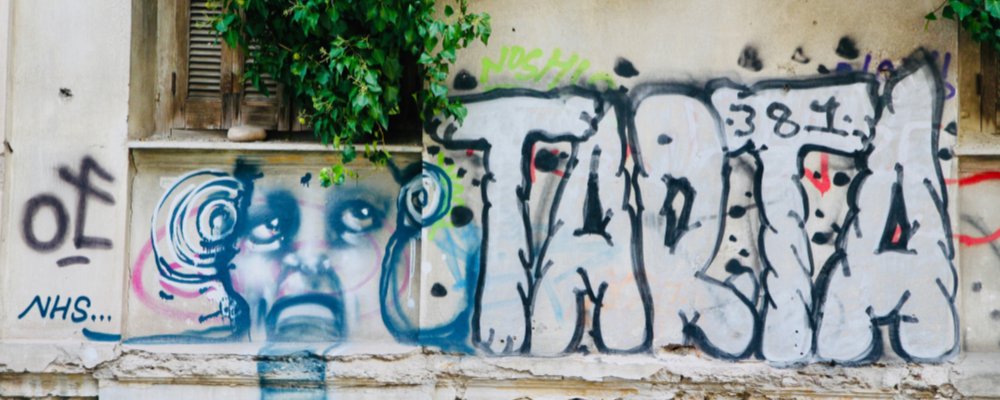
Local authorities and the community generally support this artistic expression, recognizing it as an essential part of Psiri’s cultural identity and tourism appeal. Street art tours are now popular with visitors who want to experience the area's creative spirit firsthand. The art is often produced illegally, which adds a layer of rebelliousness and authenticity to the works. Still, many pieces are also commissioned or protected as part of urban beautification projects. This blending of spontaneous and planned art creates a unique atmosphere in Psiri, making it one of Athens’ most colorful and expressive neighborhoods.
Gazi, a former industrial area, has undergone significant transformation in recent years, becoming a hot spot for trendy bars and dynamic nightlife, with streets cloaked in art that adds an edgy feel to the district. Gazi's street artists are a diverse group of individuals who have turned the neighborhood's streets and buildings into an open gallery. Among the most notable street artists in Gazi are the members of the collective "Elpida" (Hope), active in the area since the early 2000s. Elpida's artists, including Kostas Sarantis, Alex, and Elias, are known for their bold, colorful murals that often feature abstract shapes and geometric patterns. Another prominent street artist is the Greek-American artist Leon Reid IV, who has been painting in the area since 2008. His work is characterized by its striking contrasts of light and dark, as well as its exploration of themes related to identity, politics, and social justice. His murals often incorporate elements of Greek culture and history, reflecting his own experiences as a member of the Greek diaspora.
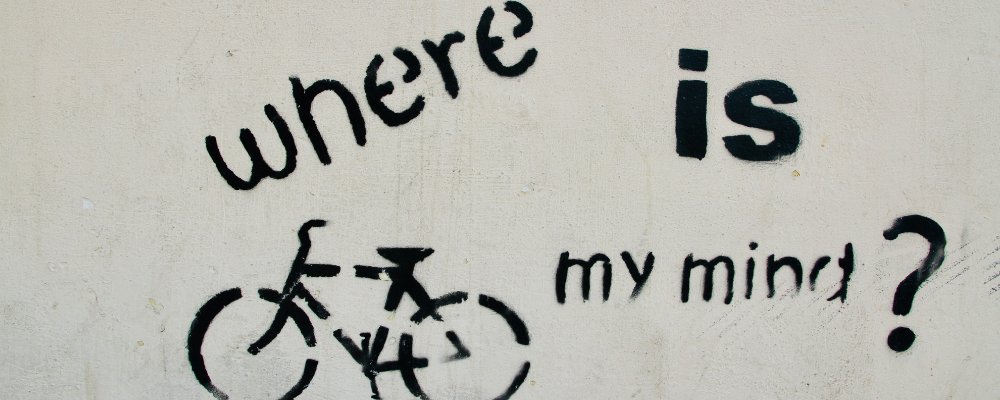
Gazi has also become a hub for urban art workshops and events, attracting artists from around the world. The Athenian street artist, Cacao Rocks, has been instrumental in organizing these events and has collaborated with other artists to create large-scale murals and installations. Cacao Rocks' own work often incorporates elements of surrealism and fantasy, reflecting his fascination with the mysteries of the universe.
The Kerameikos neighborhood, a historically significant area, is draped with murals depicting mythological themes and ancient symbols that coexist with modern graffiti, creating a fascinating dialogue between past and present. The neighborhood is famous for its ancient cemetery and archaeological sites and has become a hub for urban expression. Among notable artists, Ilias Papageorgiou stands out for his politically charged murals, and Katerina Konstantinou’s colorful murals celebrate Greek heritage and local traditions while also addressing modern-day concerns. The collective known as "Urban Art Athens" frequently collaborates with local artists, fostering a community that promotes street art as a form of activism and cultural dialogue. Additionally, the artist known as "Milos" is celebrated for his intricate stencil work and murals that blend surreal imagery with social commentary.
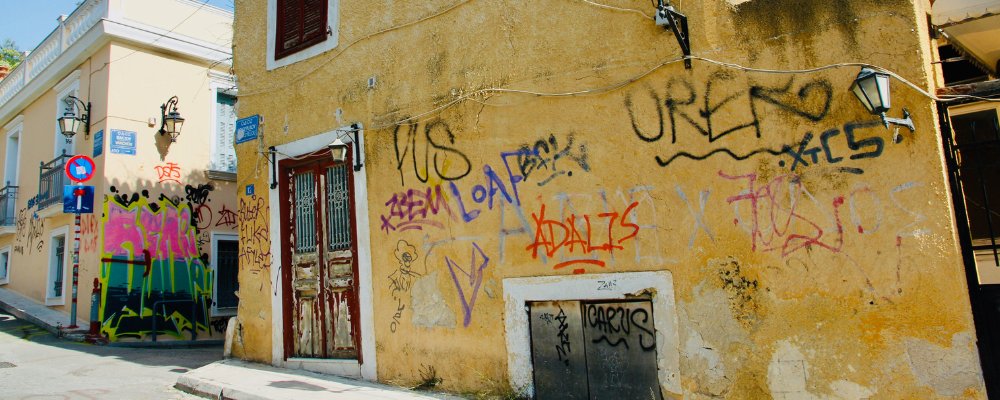
International street artists influence Kerameikos, with visitors and artists from around the world adding their unique styles to the neighborhood’s walls. These artists often work illegally, which adds an element of rebellion and authenticity to their art. Local initiatives and festivals, such as the Athens Street Art Festival, have helped to legitimize and promote street art in Kerameikos, turning it into a recognized haven for artistic expression.
Street art in Athens is constantly changing, with new murals appearing regularly, making each visit unique. Each area offers a distinct flavor of urban creativity for the arty soul to appreciate.
Gail Palethorpe, a self proclaimed Australian gypsy, is a freelance writer, photographer and eternal traveller. Check out her website Gail Palethorpe Photography and her Shutterstock profile.