
Put your hiking boots on and psych yourself up for a bit of a challenge. Trekking the Nakasendo Way (aka The Samurai Trail) in Japan offers a mesmerizing experience, meandering through silent and serene ancient forests, wandering cobblestoned alleys of quaint villages, even sleeping in old inns where you can almost hear the whispers of its long-past guests, and testing your taste buds with mouthfuls of the local cuisine, including slurping on the mainstay of soba noodles.
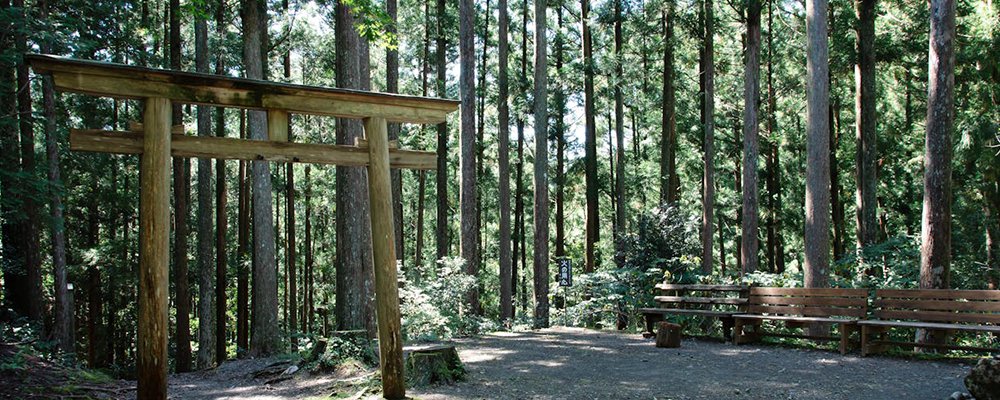
Let your imagination run riot as you trudge along with tales of massive black cows hauling heavy loads over the Magome Pass, the Golden Rooster believed to hide in the mountains, or the story of tragic lovers centered around the Otaki and Medaki Falls. While in the thick forest enclaves near Torii Pass (the highest point), you will come across numerous shrines devoted to the Shinto spirits and forest gods believed to be floating around. Put the power of your belief into the Benzaiten shrine, one of the Seven Gods of Fortune, sitting between the post towns of Hosokute and Okute, as it will keep you safe on your trek.
The Nakasendo Way is famous for its 69 ‘post’ towns that sprang up to cater to weary travelers. Sadly, not all of the towns are equally preserved. Among the most notable towns not to miss are Magome and Tsumago, which reflect their Edo-period charm. It’s only 8 km between the two towns, so it’s a good hike for those with short legs looking for an off-the-beaten-track experience without the endurance attribute. Once a bustling ‘highway’, the Nakasendo Way was used by everyone from pilgrims to samurai, merchants to commoners. It would have been a procession of walkers, with wealthy travelers reclining in palanquins (bamboo or wooden sedan chairs carried by human porters), with feudal lords and their entourages flying banners, while horses were mainly used to transport goods, occasionally people.
More than an ancient route, it’s a symbol of Japan's rich history and cultural legacy. Also known as the ‘Central Mountain Route’, it was developed during the Edo period (early 1600s to 1868), when Tokugawa Leyasu was given the Shogun title, and it ended when political power was returned to the Emperor, Meiji (Mutsuhito). During this period, this centuries-old highway became one of five official routes, all of which played a crucial role in the country’s transportation and communication network and served as a hub of commerce and cultural exchange between Kyoto and Edo (modern-day Tokyo).
Considered a moderate trek, the whole length usually takes about 2 to 3 weeks, depending on your walking speed, lingering mode, or excited shenanigans taking photographs. It’s a blend of easy paved village roads, unpaved undulating mountain trails, mountain streams, and some steep, stone-paved areas that can be uneven or slippery through the forests. The trail is well-signed, with some trekkers merely picking out segments to do, rather than the whole haul. The distance between Magome and Tsumago in the Kiso Valley is the most popular stretch of this iconic walk, which totals approximately 8 km.
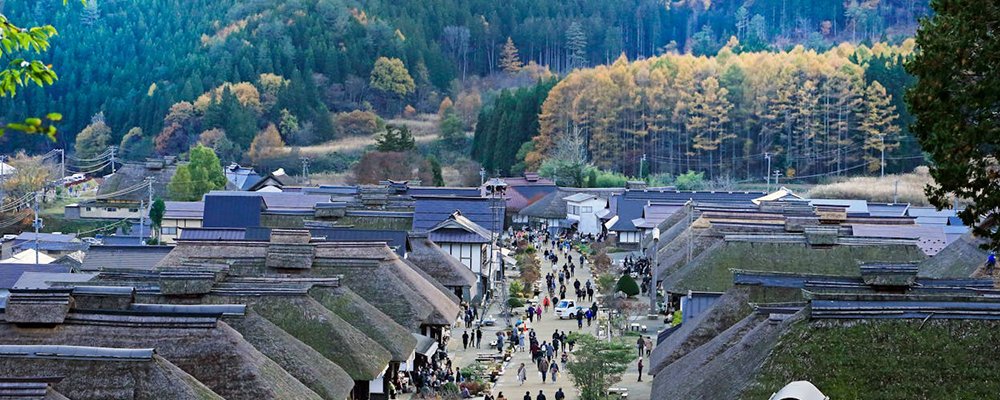
The towns that developed along this well-maintained roadway catered to travelers' needs, from accommodation to eateries. A few of these historic rural villages, with stone pathways lined with wooden buildings, have survived the feudal era. These villages and towns are more than just stops on a trail—they are living museums. Today, these towns continue to thrive by attracting hikers, history enthusiasts, and cultural explorers eager to discover Japan’s Edo-period legacy.
Magome is a picturesque post town nestled in the Kiso Valley, famous for its well-preserved Edo-era architecture and scenic mountain views. The town features cobblestone streets lined with traditional wooden shops, teahouses, and inns. It’s a popular starting point for modern hikers retracing the historic route. Similarly, Tsumago is another beautifully maintained village that has undergone extensive restoration to eliminate modern intrusions. Its narrow streets, old shophouses, and traditional inns provide an authentic experience of Edo Japan. Tsumago also boasts a historic castle site and offers stunning views of the surrounding mountains, making it a favorite among travelers seeking history and natural beauty.
Kiso-Fukushima serves as a gateway town at the eastern end of the Kiso Valley. It was historically an important hub for trade and transportation, and today it offers a blend of traditional and modern Japan. You can explore its castle ruins, local markets, and museums that highlight the town’s rich history. The town’s proximity to the mountains makes it an excellent base for smaller-scale hikes and outdoor activities, and it offers a vibrant cultural scene with local festivals and crafts. Other significant towns include Narai, known as the "Little Kyoto" for its elegant architecture and historic ambiance, and Ochiai, a quiet village that offers scenic river views and a peaceful retreat for walkers. Small villages like Nojiri, Miyagawa, and Yabuhara also contribute to the route’s charm. These villages are less touristy but equally beautiful, offering glimpses into rural Japan and traditional lifestyles. Many of these towns have preserved their old post stations, complete with historic buildings, tea houses, and walking trails that follow the original route.
Travelers walking this path experience a step back in time, immersed in the natural beauty of the Japanese Alps, the serenity of forested mountains, and the warmth of traditional hospitality found in its scattered towns.
Gail Palethorpe, a self proclaimed Australian gypsy, is a freelance writer, photographer and eternal traveller. Check out her website Gail Palethorpe Photography and her Shutterstock profile.