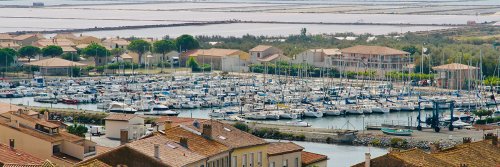
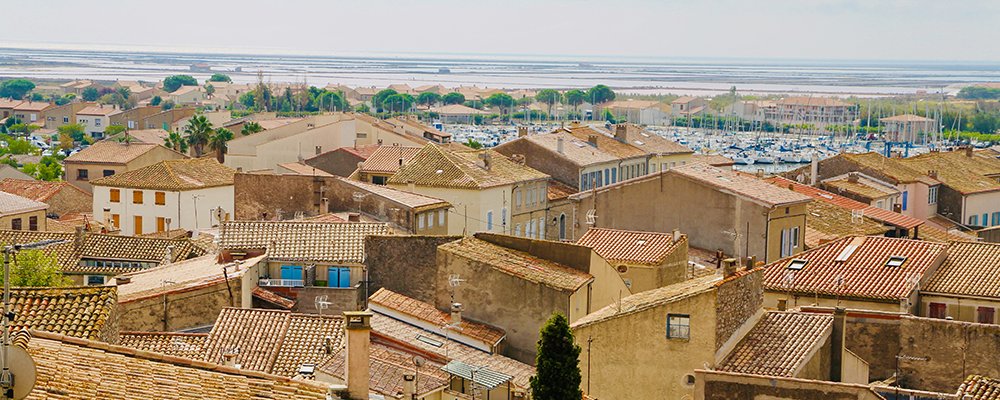
Head straight to the highest viewpoint of the old city of Narbonne in the south of France, the 42-meter-high tower of the historic fortress of Donjon Gilles Aycellin, and gaze over the sea of terracotta roofs, the alleys where people meander like ants below, and look out to the water on the far horizon. It’s a magical vista of the region's architectural heritage, once an important Roman city that served as a hub for trade and military power. You can feel the connection to the past with your feet planted on the aged cobblestones that have withstood sieges and invasions, serving as a tangible narrative of Narbonne’s historical evolution, from Roman times through the medieval period. It’s a climb of 162 steps for a 360-degree panoramic view of the city, so make sure you have your walking shoes on.
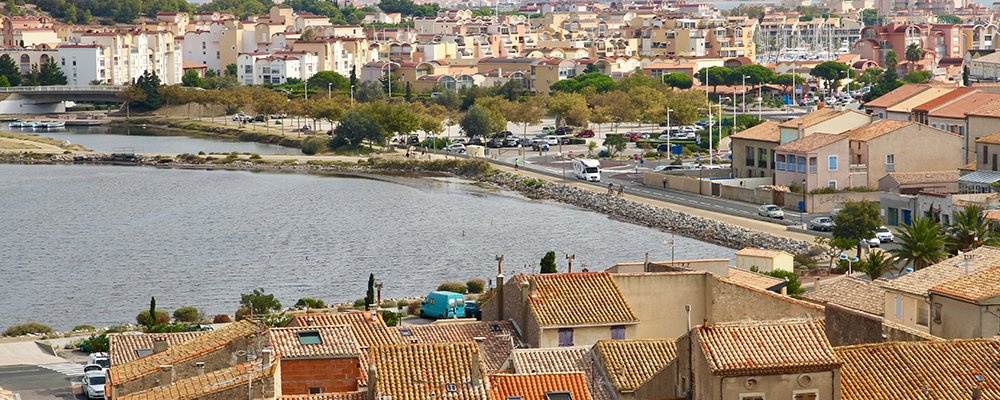
The other towers, built primarily during the Middle Ages, reflect the city's historic need for defence, prestige, and religious significance. Among the most notable are the Tour de la Madeleine and the Tour de l’Horloge. The Tour de la Madeleine, originally part of the city's fortifications, dates back to the 13th century and served as both a defensive watchtower and a symbol of civic pride. The Tour de l’Horloge, on the other hand, was built in the 14th century and served as a clock tower, marking the passage of time for the residents and often serving as a bell tower for the local church or town hall. Its architecture illustrates the Gothic style prevalent at the time, with ornate stonework and decorative elements that highlight medieval craftsmanship. Often, symbols of authority that were built by wealthy merchant families or civic authorities to demonstrate their influence have undergone restoration and preservation efforts to maintain their historical integrity.
Narbonne, located in the Occitanie region of southern France, is a city rich in history, culture, and scenic beauty. Another notable highlight of its impressive Roman heritage is the beautiful Narbonne Cathedral, also known as Saint-Just and Saint-Pasteur Cathedral. This Gothic masterpiece, begun in the 13th century, features soaring ceilings and beautiful stained glass windows. Another example of medieval architecture is Saint Paul’s Basilica, built between the 13th and 15th centuries. It is simply breathtaking—a towering façade, detailed sculptures, and majestic interior offer a glimpse into France’s rich ecclesiastical heritage. Particularly notable is Saint Paul’s Basilica's historical connection to Narbonne's maritime activities. Inside, you will find a 17th-Century marble holy water font with a little frog and a small wooden boat hanging from the ceiling, serving as a reminder of Narbonne’s maritime legacy and of local legends recounting Saint Paul Serge’s journey to the Bages Lagoon. Historically, the boat was used as a religious relic or ceremonial object, possibly representing a votive offering or symbolizing divine protection for sailors and fishermen. In some interpretations, it symbolizes the journey of faith, echoing biblical stories of Jesus and his disciples on the Sea of Galilee. The boat reflects the community’s historical reliance on the sea for livelihood and sustenance.
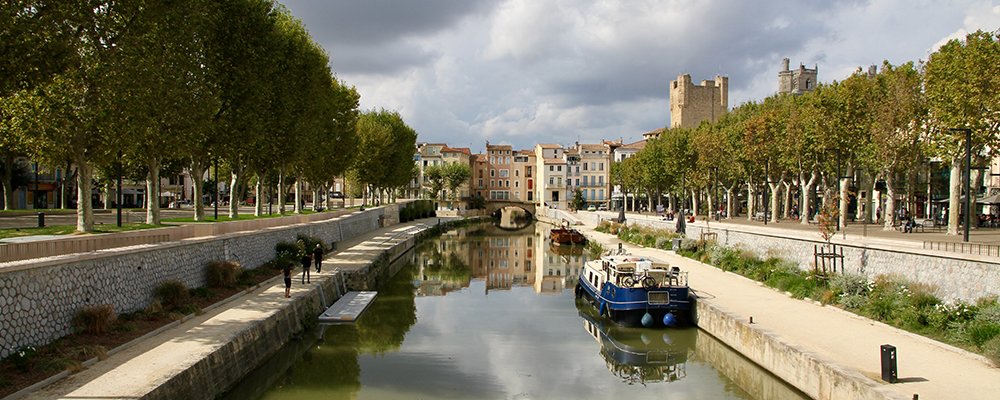
The Canal de la Robine, a UNESCO World Heritage site, connects the city to the Mediterranean Sea and offers picturesque walking along its banks. Flowing through the heart of the city, the canal is 31km long and connects the Canal du Midi to the sea after flowing under the historic Roman-era bridge, the Pont des Marchands. It follows the ancient route of the Aude River. Originally conceived by the visionary engineer Pierre-Paul Riquet, its construction began in the late 1600s and was completed in the early 1700s, transforming Narbonne into a crucial port and trading hub. The canal's strategic importance grew over the centuries, especially during the period when waterways were the primary transportation corridors for goods such as wine, grain, and other regional products.
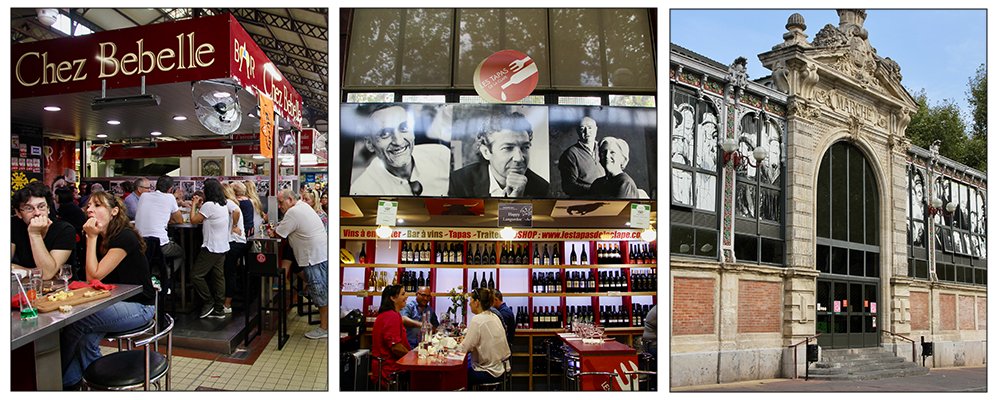
When tummy rumbles turn into earthquakes, head to the historic food emporium that embodies local culinary traditions in the French world of gastronomy: Saint-Halles. Its architecture features traditional elements that evoke the market’s long-standing heritage, blending historical charm with modern vibrancy. Sitting in the city’s heart, it’s a bustling marketplace showcasing a wide variety of high-quality products, including fresh fruits and vegetables, artisanal cheeses, cured meats, seafood, baked goods, and regional specialties. The market’s lively atmosphere is highlighted by the friendly vendors, passionate about their offerings and eager to share their knowledge and recommendations. Saint-Halles has been a central part of Narbonne’s community for centuries. Within its walls, there are over 70 vendors, cafes, and restaurants overflowing with patrons busily stuffing their faces or knocking back an aperitif or two. Sample local delicacies such as oysters from nearby coastal waters, flavorful olives, and regional wines that pair perfectly with the local cuisine. The market also emphasizes sustainability and local sourcing, supporting small producers and artisans who maintain age-old preparation methods. It’s a foodies’ idea of nirvana.
Culturally, Narbonne boasts a vibrant atmosphere with numerous festivals and markets that celebrate its regional heritage. For art enthusiasts, the Musée d’Art et d’Histoire offers a diverse collection of artifacts, paintings, and sculptures that trace Narbonne’s artistic evolution from antiquity to modern times. For the historian, there is the Roman Horreum, an ancient subterranean warehouse that offers a glimpse into Narbonne’s role as a vital Roman-era trading hub. While nature lovers can enjoy the nearby Narbonnaise en Méditerranée Natural Regional Park, a protected area that encompasses diverse landscapes including wetlands, beaches, and forests. The park is home to a variety of wildlife and offers plenty of opportunities for birdwatching, hiking, and water sports. The beautiful beaches along the Mediterranean coast, such as Narbonne Plage, are a drawcard for sun worshippers. Another highlight of Narbonne is its vibrant wine culture. The region is part of the Languedoc wine-producing area, known for its high-quality reds, whites, and rosés. Visitors can tour local vineyards, learn about traditional wine-making processes, and sample some of the finest wines of southern France.
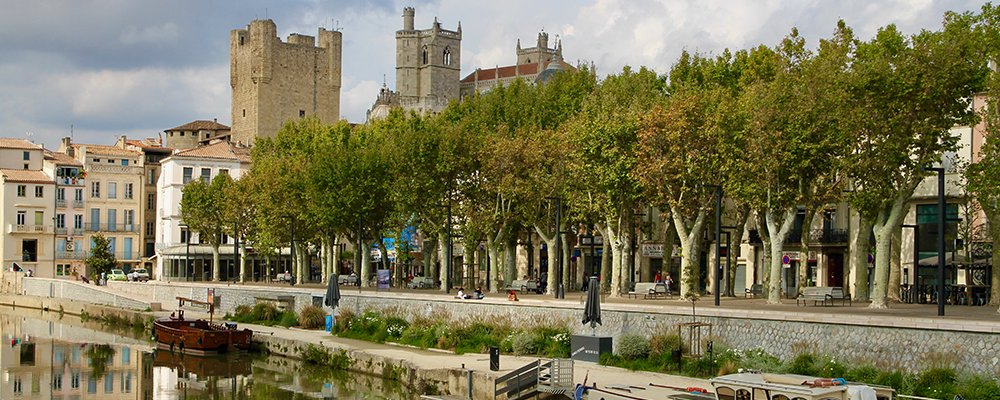
Narbonne’s charming old town features narrow streets and picturesque squares lined with cafes and shops, offering a truly authentic French experience. The city’s warm Mediterranean climate, combined with its cultural diversity and historical depth, makes Narbonne a captivating destination that blends history, nature, and gastronomy.
Gail Palethorpe, a self proclaimed Australian gypsy, is a freelance writer, photographer and eternal traveller. Check out her website Gail Palethorpe Photography and her Shutterstock profile.