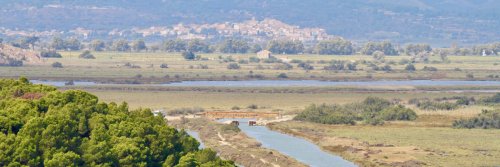
Only 20 minutes from Narbonne, the charming, picturesque village of Gruissan sits on the Mediterranean coastline and is known for its unique architecture and stunning seaside scenery. Located in southwestern France, Gruissan is a popular destination for those wishing to soak up coastal vibes amid a wondrous world of natural beauty and cultural heritage.
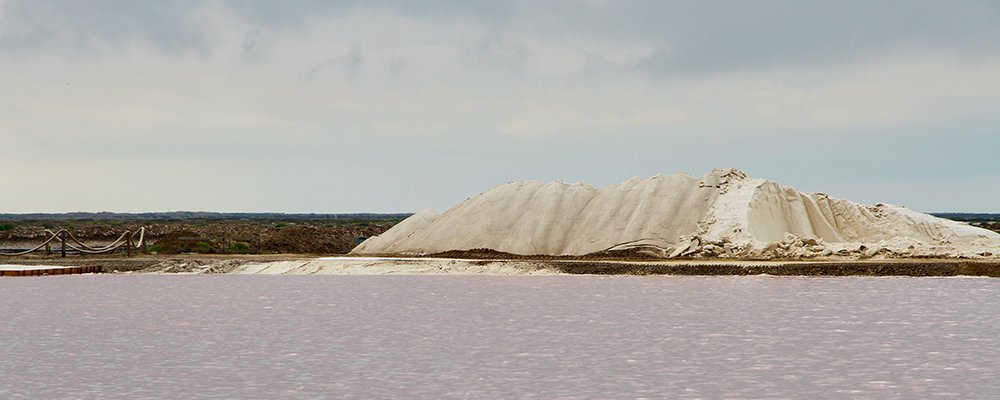
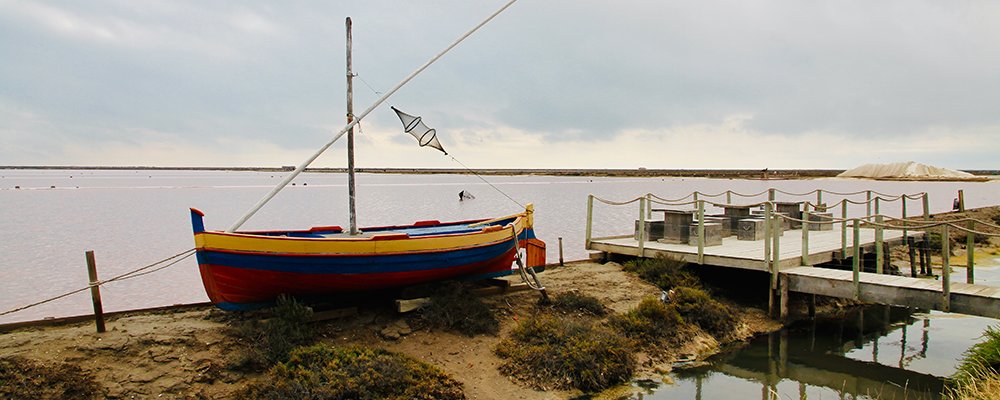
A part of its natural beauty is wrapped up in the presence of its iconic salt flats, which have been vital to its history and economy for centuries. The salt flats, also known as salt pans, were originally used by local inhabitants for salt extraction as far back as Roman times. The expansive area is a shimmering white surface that stretches across the horizon, creating a surreal scene that defies belief. The flats are part of the larger Aiguamolls de l’Empordà, a protected natural reserve that provides a unique habitat for various bird species, including flamingos, herons, and avocets, making it a popular spot for twitchers (birdwatching) and eco-tourism. Salt harvesting in Gruissan involves traditional methods that have been preserved over generations. During the summer months, seawater is channeled into shallow ponds called ‘étangs,’ where it evaporates under the hot sun. As water evaporates, salt crystals form and are subsequently collected by workers using traditional tools. The breathtaking beauty of the salt flats is legendary as the surface reflects the extraordinary colors of sunset and sunrise in a blaze of hues over the salty crust.
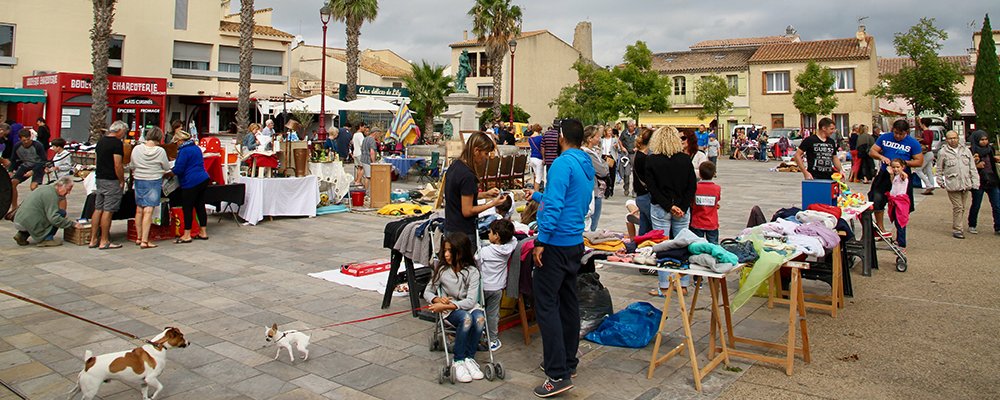
Gruissan’s old town oozes charm with its traditional houses, lively markets, cafes, and the famous ‘Tour Barberousse’ (Red Beard Tower), a historic fortress dating back to the 15th century. The Red Beard tower is not a salute to the notorious Turkish pirate of the same name, but is in fact named after a local buccaneer, Gaspar Dot, who just so happened to be nicknamed ‘Barberoussette.’ He changed his name to ‘Barberousse’ after he was put in charge of a fortress ten kilometers south of the city. The tower played a significant role in the defense of the Mediterranean coast, with a history dating back to the medieval period when the region was frequently threatened by pirates and rival kingdoms and endured many maritime conflicts. Its distinctive red brickwork earned it the nickname ‘Red Beard,’ a moniker that reflects both its appearance and its formidable presence.
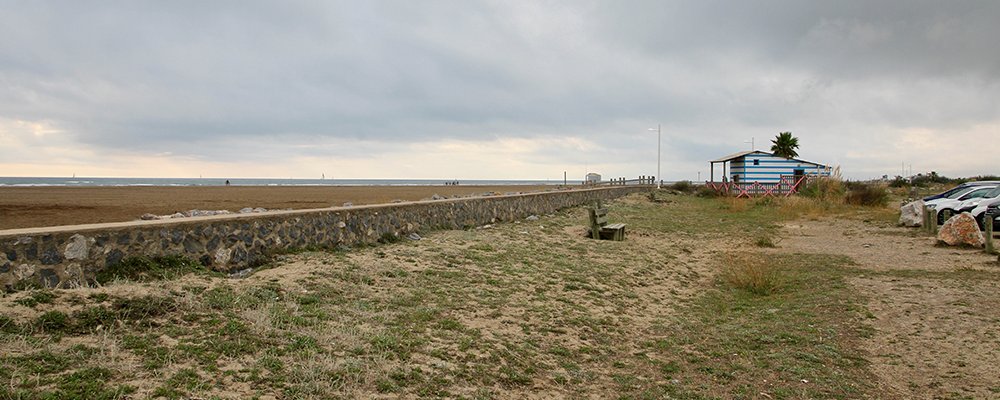
If you love hearing about medieval times, head to the Château de Gruissan and let your imagination run riot. During this time, Gruissan was a small but strategically significant fishing village situated along the Mediterranean coast. The period, roughly spanning the 5th to the 15th centuries, saw Gruissan develop into a modest yet vital part of the regional economy and defense system. This fishing village by the sea depended on fishing, with its economy revolving around its fleet of small wooden boats. The landscape was dominated by the rugged coastline, salt marshes, and the nearby mountains, creating a picturesque but formidable environment. Simple houses clustered around a small church within walls and watchtowers to protect them against invading forces and marauding pirates. The village's social fabric was dominated by feudalism, with villagers working, fishing, and socializing at local marketplaces. Over the years, they faced rough seas that disrupted fishing, invasions, and disease outbreaks such as the Black Death in the 14th century. It was a harsh place where the sea dictated the rhythm of life.
Today, remnants of its medieval past, including the old watchtowers and narrow streets upon which housewives would have thrown household waste from high windows, tell the story of a resilient community that thrived against the odds. Poking around the ruins of the Chateau de Gruissan, built in the 12th century, one can almost hear the whispers of the past. Once a feudal stronghold owned by local lords, the château was used to exert control over the surrounding lands and fishing villages. The castle's architecture reflects its defensive purpose, with thick stone walls, narrow windows, and a commanding tower offering panoramic views of the sea and countryside. In the 16th and 17th centuries, the fortress was modified to accommodate changing military technologies, including the addition of artillery positions. Despite its military significance declining over time, the Château de Gruissan remained an important symbol of regional power and resilience. This testament to a bygone era is in ruins, but it’s still recognized as a part of the town’s cultural identity.
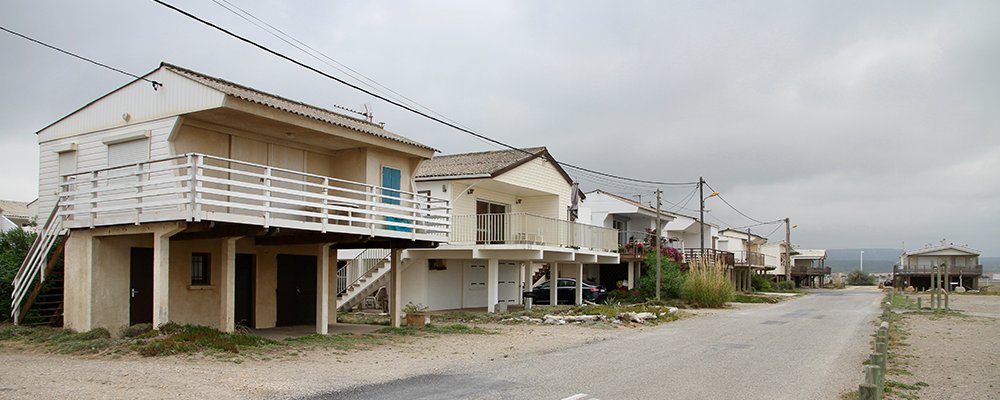
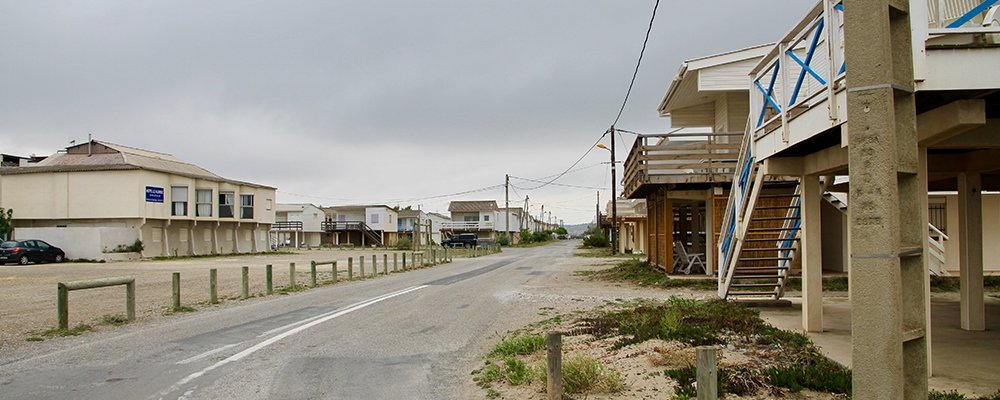
Moving forward to the early 20th century, Gruissan’s maritime legacy is on show when you wander around ‘the Chalet District’ that features a collection of traditional wooden chalets. These charming structures are typically built on stilts or raised foundations to protect against seasonal flooding and are characterized by their colorful facades, sloped roofs, and quaint balconies lining the district’s maze of narrow streets and pathways. It reflects the maritime livelihood that has sustained the community for generations. The district is often associated with local festivals and events celebrating its fishing heritage, including traditional boat races and seafood festivals. Many of the chalets have been preserved or restored, maintaining their historical charm while serving as vacation rentals or private residences. This blend of preservation and modern use helps sustain the district’s unique character. Nearby, you will find the beach of Gruissan, known for its expansive sandy shores and clear shallow waters. The coastline is dotted with small fishing boats and local vendors selling fresh seafood. There are plenty of quaint restaurants dishing up local specialties such as oysters, mussels, and grilled fish to wander into when hunger pangs occur.
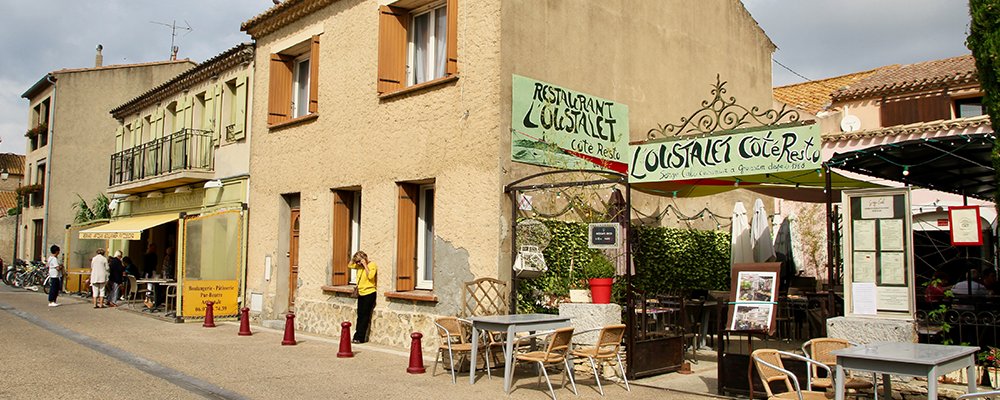
For the outdoorsy enthusiast, Gruissan offers great opportunities for hiking, cycling, and exploring the surrounding natural parks. And the nearby vineyards and olive groves add to the region’s allure, offering wine-tasting experiences and local culinary delights that showcase traditional Provençal cuisine, if you are not a history buff hankering for old ruins.
Gail Palethorpe, a self proclaimed Australian gypsy, is a freelance writer, photographer and eternal traveller. Check out her website Gail Palethorpe Photography and her Shutterstock profile.