While many travellers flock to iconic cities and famous beaches, some of the world's most rewarding experiences can be found far from the crowds. The UN Tourism Best Tourism Villages initiative shines a light on rural communities that have preserved heritage, traditions and natural environment.
Launched in 2021, the programme recognises villages that use tourism as a force for sustainable development, protecting local culture while creating jobs and opportunities for residents.
Villages are assessed on criteria including environmental sustainability, cultural preservation, tourism development, infrastructure, governance and community wellbeing. Since its launch, hundreds of villages have joined the growing global network of recognised destinations.
The Best Tourism Villages 2026 programme closed for applications in June. UN Tourism confirmed that 265 applications from 65 countries have been received. The successful villages will be announced later this year.
2026 highlights
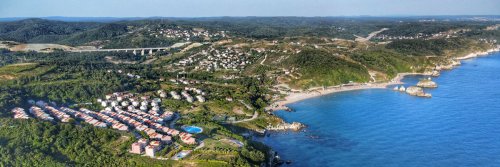
Among the nominations declared are Adatepe, a historic stone village located between the Aegean Sea and the western foothills of the Kaz Mountains in northwestern Türkiye.
The village, renowned for its fully restored 19th-century Ottoman-Greek stone houses, has retained its traditional architectural character. After the 1920s population exchange between Greece and Türkiye, the village was resettled by Turks from Crete.
Adatepe contains many layers of history dating back to ancient civilisations, with traces from the Trojans, Persians, Romans, Seljuks and Ottomans. Landmarks include a historic mosque, a stone schoolhouse, cobblestone streets and nearby views of the Zeus Altar, a popular scenic and archaeological site.
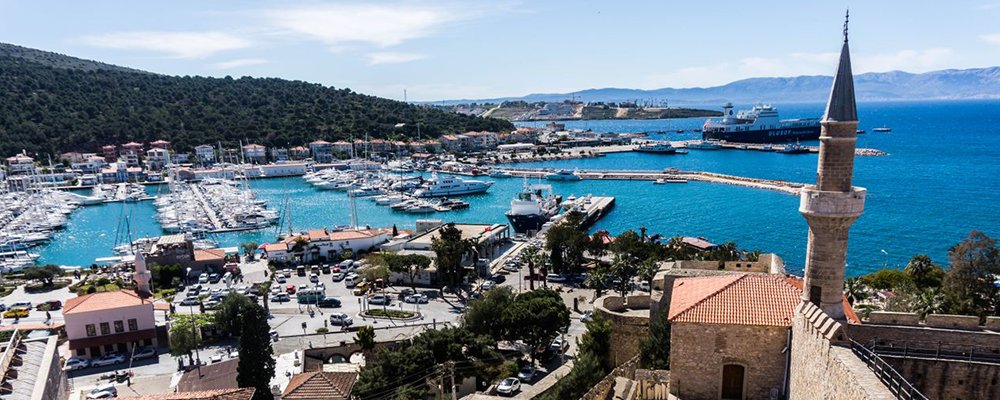
Türkiye also has several other nominees, including Sığacık near İzmir, Eski Datça in Muğla province, and Ziyaret in Tunceli.
In neighbouring Greece, nominations include the village of Galissas on the island of Syros. Galissas is known for its coastal landscape, local traditions, and gastronomy. Other nominations from Greece are Elati in Pyli Trikalon, Ermioni in Ermionida, Kefalovryso, and Patrika in Chios.
Meanwhile, Argentina has nominated eight diverse villages across the nation. These include Villa Sanagasta, which is located in the picturesque valley of the Riojan Coast. It combines an internationally relevant geological richness with popular mysticism, faith and local flavours.
Visitors can explore the town's streets, learning about its history, curiosities, the artisan market, and the temple in honour of the Indian Virgin, one of the town's oldest buildings. They can take guided tours of the valley's wineries and vineyards on a tourist bus and visit the Los Sauces Dam. The Sanagasta Geological Park is a key site that protects fossilised dinosaur nests and eggs. In the Witches' Cave Theme Park, associated with the beliefs of "La Salamanca" and "El Mikilo", you can learn about local myths and legends.
Argentina has also nominated the Sea of the Pampas in Buenos Aires; Cachi in Salta; El Trapiche in San Luis; Tafi del Valle in Tucuman; and Zenón Pereyra in Santa Fe, among others.
Previous Winners
Hah (Anıtlı): The Syriac village of Hah (or Anıtlı in Turkish) was named among the "Best Tourism Villages in the World" in 2025. It is a village in the Midyat district of Mardin, tucked away on the legendary plateaus of Tur Abdin in Southeastern Türkiye. It offers a breathtaking blend of ancient history, vibrant culture, and pristine natural beauty. The enchanting village invites travellers to immerse themselves in the living spirit of Mesopotamia.
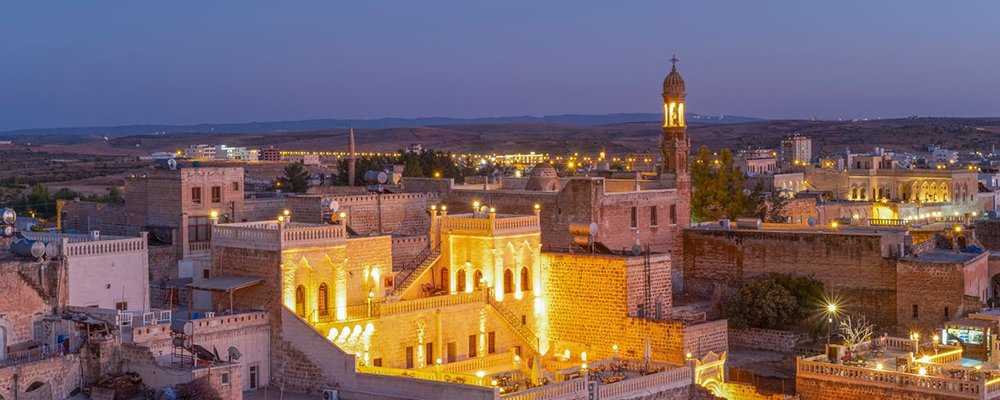
Anıtlı offers visitors the opportunity to stay within its sacred walls or in traditional Syriac homes, sharing homemade meals and artisanal crafts. The village's cultural pride is embodied in Türkiye's first Syriac Library, opened in 2023, preserving the community's rich language and traditions.
Among its landmarks are the Mor Sobo Church and the Virgin Mary (Yoldath Aloho) Church, both dating back to the 5th century. The village is renowned for its stone architecture, hospitality, traditional craftsmanship, and the continued use of the Turoyo (Syriac) language.
Other standout winners from around the world in previous years have included Akyaka in Türkiye. Nestled between forested mountains and the turquoise waters of the Gulf of Gökova, Akyaka offers a completely different side of Türkiye from the country's bustling resorts.
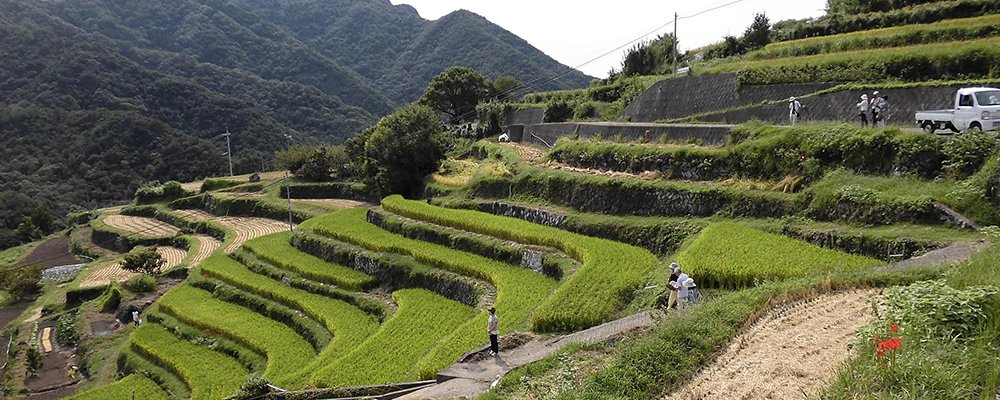
Shodoshima, Japan: Located in Japan's Seto Inland Sea, Shodoshima combines stunning coastal scenery with centuries-old traditions. Known for its olive groves introduced more than a century ago, the island village has successfully blended agriculture, gastronomy and tourism. Visitors can tour olive farms, explore dramatic gorges, walk sections of the famous pilgrimage route and sample locally produced soy sauce, another long-standing speciality.
Valendas, Switzerland: With fewer than 300 residents, Valendas proves that size is no barrier to international recognition. Situated in the Swiss Alps, the village has carefully restored its historic buildings while encouraging sustainable tourism centred on hiking, local food and heritage. Visitors are greeted by beautifully preserved stone houses, alpine meadows and one of Europe's largest historic wooden fountains.
Agaete, Spain: On the north-west coast of Gran Canaria, Agaete is a striking contrast to the island's better-known beach resorts. Surrounded by volcanic mountains and lush valleys, the village is famous for its coffee plantations, the only commercial coffee grown in Europe, as well as vineyards, citrus groves and spectacular coastal scenery.
Aldea San Cristóbal El Alto, Guatemala: Located close to the colonial city of Antigua Guatemala, this highland village offers visitors an authentic introduction to Mayan culture.
The community is known for preserving traditional weaving techniques, colourful textiles and indigenous customs that have been passed down through generations.
 Andy Probert is a British-born, Cyprus-based journalist who covers aviation, hotels, travel, and various topics for publications worldwide.