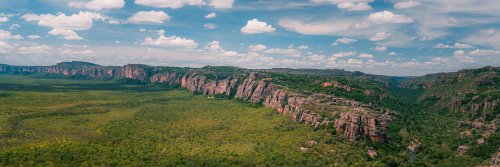
Banner Image: Aeriel, Kakadu National Park - Tourism & Events NT/@AlecSills-Trausch
Kakadu National Park is steeped in a culture as old as time, like a strong brew of billycan tea boiled over an open wood fire. A dual UNESCO World Heritage site that blankets almost 20,0000 square kilometers, it has been recognized for its cultural significance and magnificent natural landscapes. The iconic home of ancient Aboriginal rock art, roaring waterfalls, and vast wetlands, it’s home to a massive population of saltwater and freshwater crocodiles. This is ‘Crocodile Dundee’ country that will wake up your senses—the fresh and earthy aroma of wet tropical foliage after rain, and the wafting scent in the air of the fragrant eucalyptus trees during the dry season.
A vast, biodiverse reserve in Australia’s Northern Territory, it’s home to about 2,000 plant species and diverse wildlife. Kakadu National Park is one of Australia's largest national parks and a unique destination. The park’s tropical climate, with distinct wet and dry seasons, shapes its ever-changing environment and highlights the beauty and ecological value of Australia’s northern wilderness.
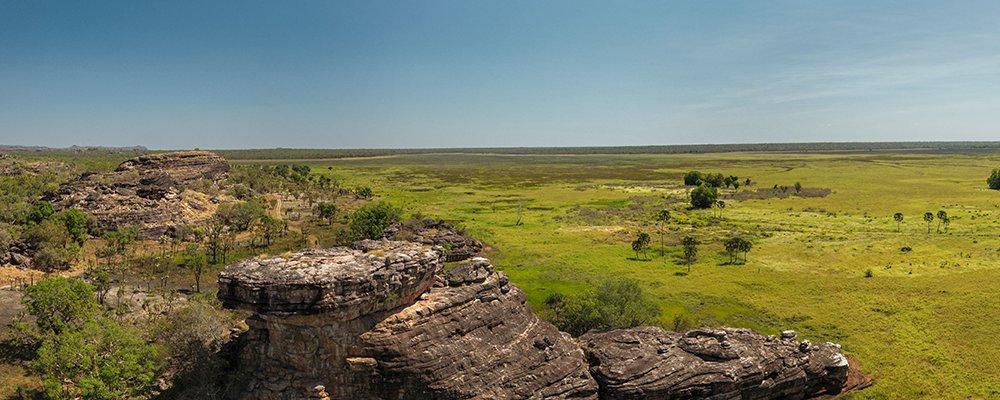
Title: Ubirr, Kakadu National Park
Tourism & Events NT/@safariglobal
The wet season, from November to April, brings heavy monsoonal rains, intense thunderstorms, and high humidity. During this time, floodwaters transform the landscape, creating a maze of billabongs, wetlands, and rivers teeming with life. This inundation triggers explosive plant growth and attracts diverse bird species, crocodiles, and other wildlife that thrive in the abundant water. High water levels bring the scent of blooming lilies and aquatic plants, along with vibrant birdlife, making the season spectacular. However, this abundance of water can limit movement by making roads inaccessible. As the rains ease, the park transitions to the dry season.
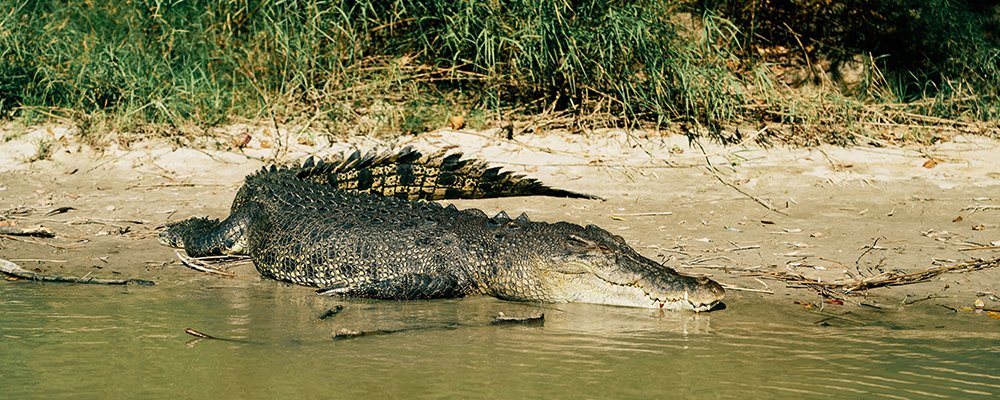
Title: Crocodile, Guluyambi Cultural Cruise
Tourism & Events NT/@safari global/Guluyambi Cultural Cruise
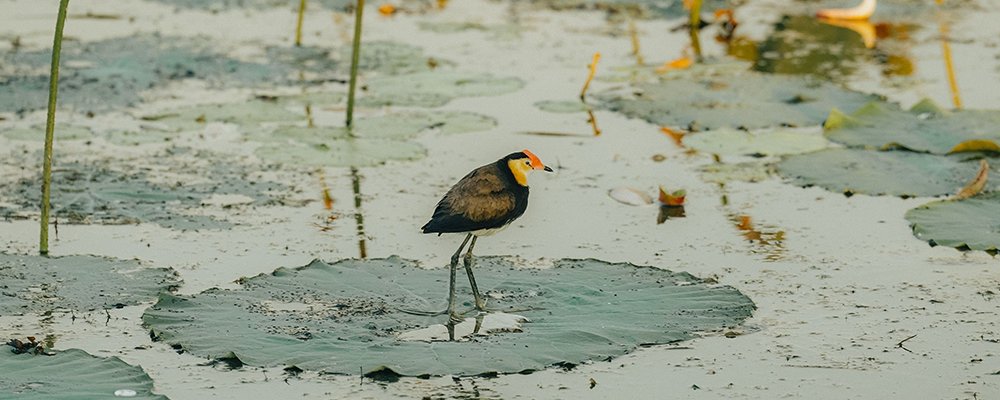 Title: Comb-crested jacana, Kakadu
Tourism & Events NT/@cruising.cat
During the dry season, May to October, cooler, clearer conditions prevail. Rainfall is scarce, making remote areas easily accessible. Lower humidity, crisp mornings, and warm days attract tourists to Kakadu. The landscape and its scents shift. The arid environment produces dry, woody aromas from gum trees and acacias. These trees release resinous, pine-like oils, especially in the heat. Native bush herbs, like wattles and spinifex, fill the air with sweet, spicy, or balsamic oils, enriching the dry-season atmosphere. As waters recede, wildlife gathers at remaining waterholes, enhancing viewing opportunities and revealing a rugged terrain of ancient rock formations, open plains, and forests. Billabongs emit an earthy, often salty aroma, akin to briny water.
Cultural heritage is a significant aspect of Kakadu National Park, as it’s considered a sacred site by the Aboriginal custodians, the Bininj and Mandjarr people. The park features numerous rock art sites dating back thousands of years, offering insight into the rich cultural traditions and stories of the indigenous peoples. Visitors can learn about Aboriginal history, spirituality, and connection to the land through guided tours, cultural centers, and interpretive displays.
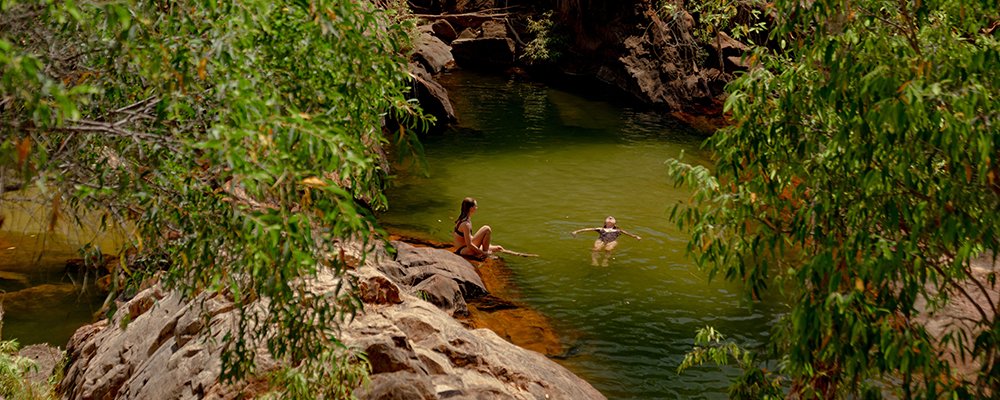
Title: Gunlom Falls, Kakadu
Tourism & Events NT/@jeffreyjkieffer
Must See
- Ubirr, a prominent rock art site renowned for its ancient Aboriginal paintings that date back thousands of years. Climbing to the top of Ubirr offers panoramic views over the surrounding floodplains and wetlands, which are particularly startling at sunset.
- Jim Jim Falls, a spectacular waterfall that plunges from a height of 200 meters into a deep plunge pool, is surrounded by rugged cliffs and lush rainforest. The hike to the falls is an adventure, offering a chance to witness Kakadu’s pristine wilderness up close.
- For those interested in birdwatching and wetlands, Yellow Water Billabong is a highlight. This expansive wetland is home to a vibrant array of bird species, crocodiles, and other wildlife. Taking a boat cruise here provides an unforgettable opportunity to see these creatures in their natural habitat while enjoying the serene beauty of the floodplains.
- Nourlangie Rock is another significant cultural site, featuring impressive rock art and stunning views of the Arnhem Land escarpment. The Anbangbang Billabong walk nearby is perfect for spotting wildlife and soaking in the tranquil environment.
- For a different perspective, the Twin Falls area offers scenic walks and boat tours, allowing visitors to experience the dramatic landscape shaped by ancient geological forces.
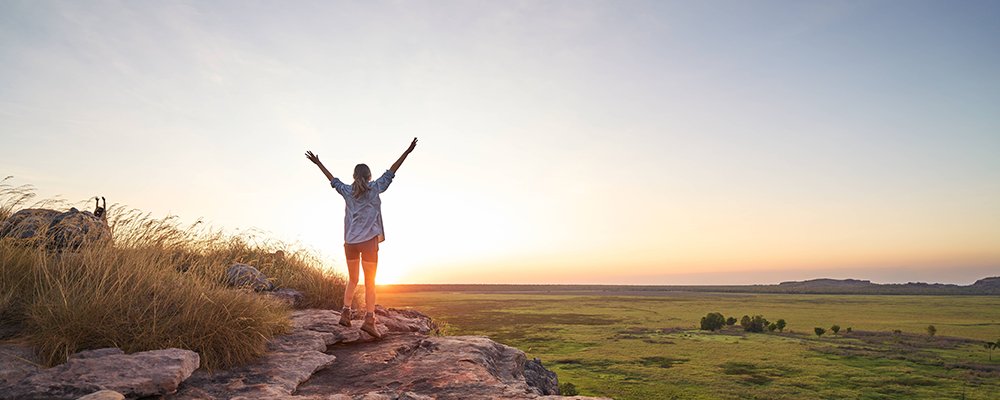
Title: Ubirr, Kakadu National Park
Tourism & Events NT/@safariglobal
The park’s diverse ecosystems—from wetlands and rivers to sandstone escarpments and savannahs—are a testament to its ecological importance. In addition to natural beauty, Kakadu is a living cultural landscape, with Indigenous communities actively involved in preserving its heritage. Kakadu National Park is a place that truly captures the essence of Australia’s wilderness.
Gail Palethorpe, a self proclaimed Australian gypsy, is a freelance writer, photographer and eternal traveller. Check out her website Gail Palethorpe Photography and her Shutterstock profile.