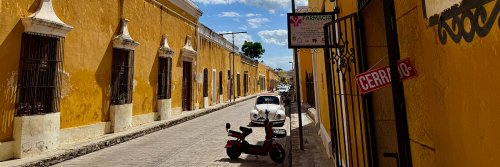
Merida, the gateway to the Yucatán Peninsula, known for its diverse ecosystems, vibrant culture, and ancient Maya ruins from about 2000 BCE until the Spanish conquistadors arrived in the 16th Century, is a fascinating region that cannot be ignored for any intrepid traveller. It is a land of contrasts where ancient footsteps coexist with modern tourism, and the natural wonders blend seamlessly with cultural richness. There are many sites that can be reached by organized day tours from Merida. Or, if you want to run to your own time schedule without the hassle of being in the company of other tourists, it’s easy to hire a car with a driver and guide (English speaker) for a day to do whatever interests you at your own pace—this is what my daughter and I chose to do.
Chichen Itza
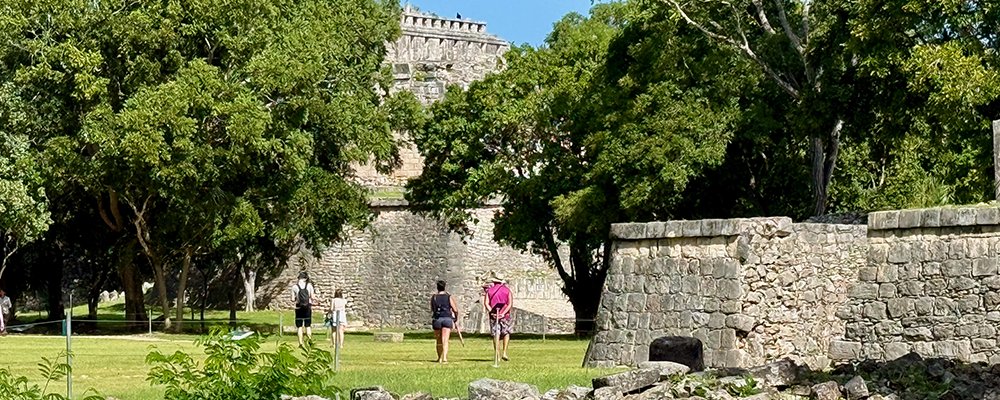
The drive to the most iconic and well-preserved archaeological site, Chichén Itzá, took about an hour and a half from the center of Mérida. I would get a bit tongue-tied and began calling the site ‘Itchy Chicken’ much to my daughter’s distaste, (not out of any disrespect but maybe a case of early onset of dementia). In fact, the name "Chichen Itza" translates to "At the mouth of the well of the Itza," referencing the nearby cenote or natural sinkhole that was vital for water supply and ritual ceremonies. The drive was an interesting mix of passing roadside entertainment—horses and vaqueros (cowboys) wearing their massive ‘sombrero de charro’ (cowboy hats) riding along in groups on the highway verge to get to a local rodeo, rumbling trucks chewing up pot-holed bitumen, and small dusty gatherings of random, sometimes ramshackle buildings, in outlying country towns.
The comings and goings of mega tourists waiting to enter the park was a bit chaotic, but once you passed through the entrance you could understand the significance of this ancient Mayan site; despite the drastic need to run to grab a coffee because you had to leave Merida at an ungodly hour (no breakfast) to beat the heat of the day and supposedly the other tourists. It’s the only time I have been thankful for a Starbucks (I’m a coffee snob) that sits just inside the entrance gates so that I could throw back a real espresso and quickly chow down a muffin.
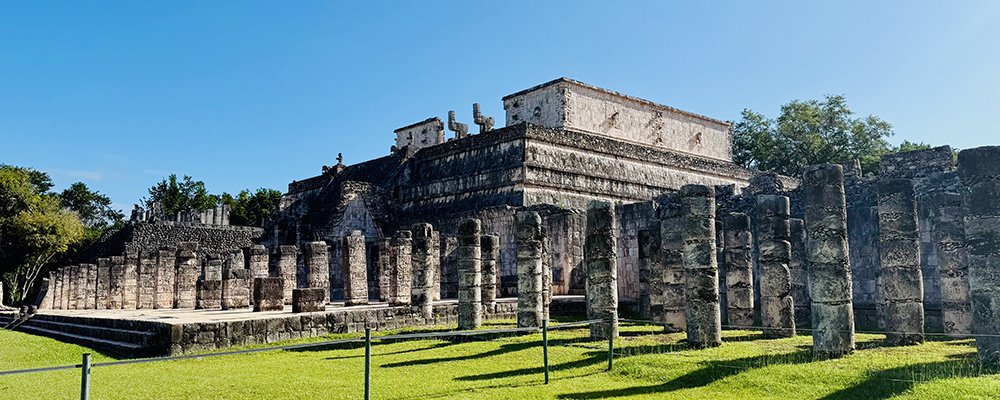
Chichen Itza covers approximately 4 square kilometers and features a diverse array of structures, including temples, pyramids, ball courts, and palaces. You could literally spend a whole day meandering the site and do a bit of souvenir shopping along the way from one of the many stalls set up by the local descendants of the Mayan people who still speak the indigenous language of the region ‘Yucatec Maya’ (Maayat’aan).
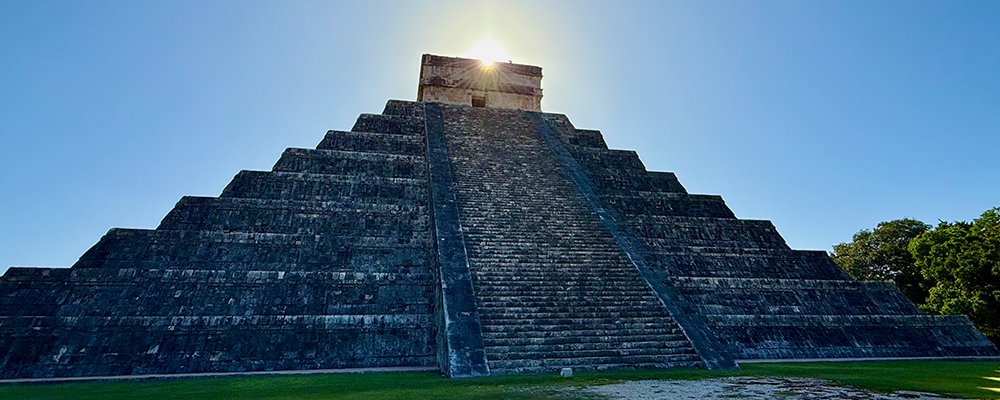
Among the most famous structures is El Castillo, also known as the Pyramid of Kukulcán, a step pyramid standing about 30 meters tall. A masterpiece of Maya engineering and astronomy, during the equinoxes, the pyramid's shadow creates the illusion of a serpent descending the staircase, symbolizing the return of the serpent god Kukulcán. The ancient city of Chichén Itzá reached its peak economically, politically, and spiritually between the 9th and 12th centuries. It’s an outdoor museum of Mayan society, showcasing their incredible knowledge of architecture, sophisticated astronomical systems, military might, and, of course, their spiritual lives—yes, lots of rituals and sacrifices.
One of Mesoamerica's greatest ancient treasures, Chichén Itzá is a UNESCO World Heritage Site, one of the New Seven Wonders of the World, and a testament to the ingenuity of the ancient Maya civilization.
Tip: Take a hat and plenty of water with you, as the sun is torturous.
Cenotes (blue holes)
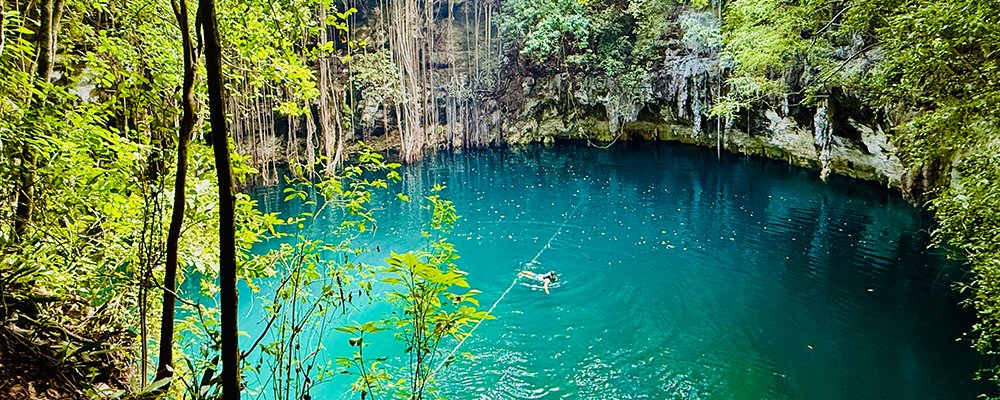
Upon leaving Chichen Itza, feeling very hot and sweaty, it was on to the next item on our personal wish list—swimming in a cenote. We pulled into the car park of Cenote Ik Kil, only a few moments down the road. By the size of the car park and the mammoth elaborate entrance, we realized that this cenote, labeled for its dramatic beauty, hanging vines, and turquoise water, was very much on the tourist bus route and would be a far cry from what we imagined. I wanted to dive into the blue water of a cenote with no one around me! Our guide presented an alternative to us, that of ‘Yokdzonot’, which was not too far away. It was the perfect solution as we were the only ones swimming in this magical, but very cold, water hole, where the heavens were a brilliant patch of blue peering through lush green vines.
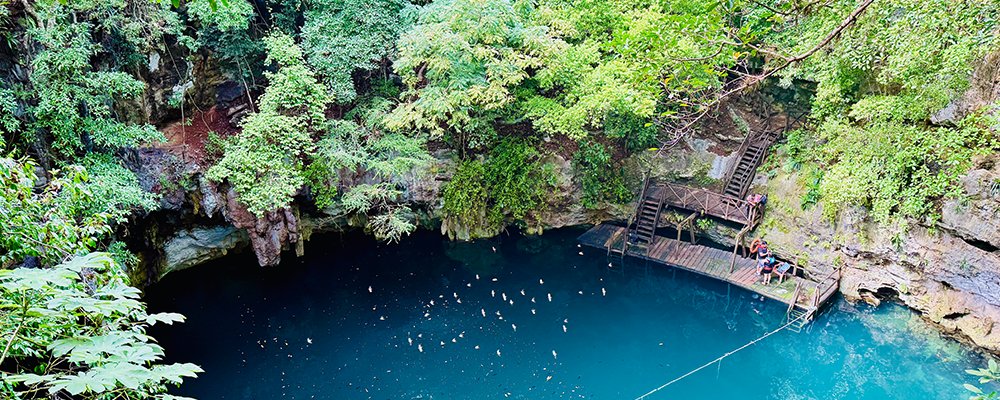
Yokdzonot’s cenote was transformed in 2005 from an abandoned Maya cenote by a group of women from the local community, with a vision to create a sustainable, communally owned source of employment rather than solely relying on the low pay for agricultural labor. After two years of hard work and struggle by volunteers, the cenote opened as the Maya Wellness Resource and Eco-Adventure Destination. So, in fact, we ended up swimming in a cenote created by locals' dreams, which I prefer to that of supporting a large, established business.
On a side note, the cenotes near Merida offer insight into the region’s cultural heritage, as the Maya civilization revered these natural pools, considering them sacred portals to the underworld, or Xibalba. Archaeological findings and petroglyphs around some cenotes suggest their importance in ancient rituals and ceremonies. Today, these sites are still revered and often incorporated into local traditions and stories. These natural sinkholes, formed over thousands of years by the collapse of limestone bedrock, expose pristine groundwater pools that offer a unique blend of natural beauty, adventure, and cultural significance.
Gail Palethorpe, a self proclaimed Australian gypsy, is a freelance writer, photographer and eternal traveller. Check out her website Gail Palethorpe Photography and her Shutterstock profile.