The Atacama Desert in Chile is a mind-boggling vision of nature’s creativity. Known as the driest non-polar desert in the world, the Atacama offers otherworldly landscapes that captivate intrepid travelers. Fascinating and extreme, with a history both geological and cultural, it dates back millions of years due to tectonic activity and climate shifts. Sitting along the Pacific coast of northern Chile and stretching over 1,000 miles from the Andes Mountains to the Pacific Ocean, extending into southern Peru, northwestern Argentina, and western Bolivia, the Atacama Desert is one of the oldest deserts in the world, with some believing that it’s been arid for at least 15 million years. The intense dryness is primarily due to the rain shadow effect of the Andes, which block moisture from the Amazon basin and the Pacific Ocean, and to the cold Humboldt Current, which cools the air and prevents cloud formation.
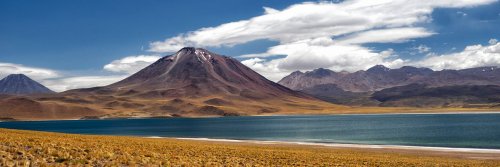
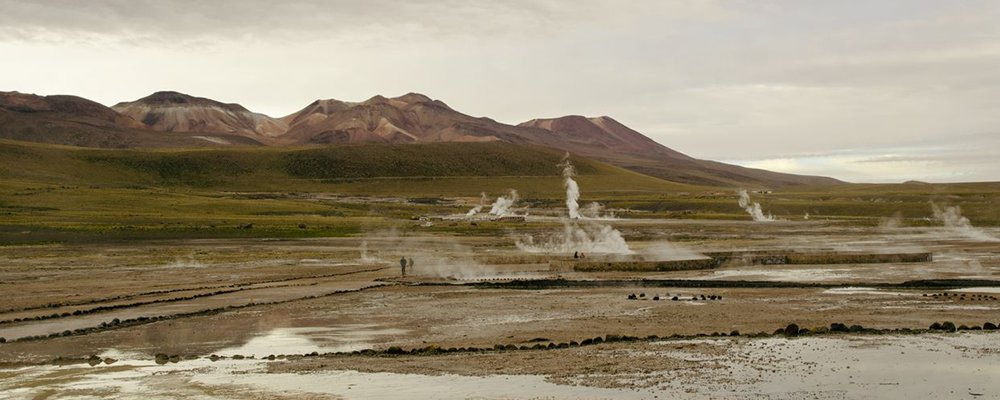
The landscape is like a Vincent van Gogh’s surreal impressionist painting. Massive sand dunes, cavernous salt flats, towering rock formations, and vibrant mineral deposits are laced through the land. An 11-meter sculptured hand reaches for the sky out of the sands, known as ‘Mano del Desierto’, created by the Chilean sculptor Mario Irarrázabal, symbolizing human loneliness and vulnerability in a tribute to the victims of injustice during Chile’s military regime. The Valle de la Luna (Valley of the Moon) is a lunar-like landscape that feels like stepping onto another planet, especially at sunset, when the colors intensify. The El Tatio Geysers, perched over 4,300 meters above sea level, is the highest geyser field in the world. One can let your imagination run wild and believe there’s a giant creature living below the surface, breathing out billowing puffs of steam ad nauseam. The Altiplanic Lagoons redefine the color turquoise, as their water is so vivid. These picturesque pools sit at the feet of soaring volcanoes, creating a radiant contrast with the desert floor. The desert's high-altitude lakes, such as Laguna Chaxa in the Los Flamencos National Reserve, are home to flamingos prancing around or taking to the impossibly blue skies, gliding on a wingspan of over 1.4 meters. Another totally unreal vision is that of ‘Piedras Rojas’ (Red Stones), which have been brushed with an intense reddish hue (from the oxidation of the iron) to provide a stark contrast with the pristine white of the salt flat.
Adventure enthusiasts are drawn to activities like sandboarding on giant dunes, hiking through rugged terrain, and stargazing in one of the clearest skies on Earth. The desert’s remote location offers some of the world’s best astronomical observatories, making it a prime destination for stargazing and scientific tourism. Tours often include visits to the ALMA Observatory and Cerro Paranal, where visitors can marvel at the universe through world-class telescopes.
Throughout history, the Atacama has been home to various indigenous cultures. The earliest known inhabitants were the Atacameños, also known as the Likan Antaí, who adapted to the harsh environment by developing sophisticated irrigation techniques to cultivate crops such as maize, beans, and squash. These ancient peoples left behind archaeological sites, including stone settlements and petroglyphs, which provide insight into their way of life. Tourists can explore these archaeological sites, learn about the region’s history, and purchase handcrafted textiles and pottery. The local cuisine, featuring dishes made with local ingredients such as llama, quinoa, and fresh produce, adds a flavorful dimension to the experience. The region’s small towns, such as San Pedro de Atacama, serve as charming bases for travelers, offering cozy accommodations, vibrant markets, and informative guides who can tailor excursions to suit different interests. The Atacama Desert was also part of the broader Andean civilization, which included the Incas. The Incas, who rose to prominence in the 15th century, expanded into northern Chile and integrated the Atacama into their empire, utilizing its mineral resources, especially salt and other minerals.
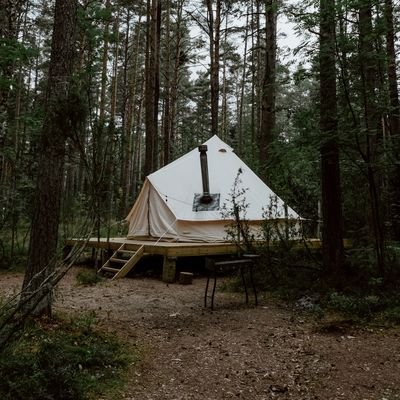
There are several indulgent and unique boutique resorts with the Atacama Desert at their doorstep, such as the Awasi Atacama and Tierra Atacama; there is no need to rough it while in the desert! Whether seeking solitude, adventure, or cultural enrichment, visitors to the Atacama Desert leave with lasting memories and a deeper appreciation for the planet’s diverse landscapes, shaped over millions of years.
Gail Palethorpe, a self proclaimed Australian gypsy, is a freelance writer, photographer and eternal traveller. Check out her website Gail Palethorpe Photography and her Shutterstock profile.