
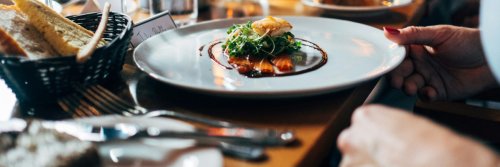
Lima is a city for foodies, and Peru as a whole, has earned a reputation as one of the world’s best places to eat—you don’t have to be an adventurous eater expecting to gorge on its quirky offerings of cute little creatures!
Its rich history as a melting pot of cultures has significantly influenced its cuisine. Spanish colonization introduced new ingredients like rice, wheat, and dairy, while African, Chinese, Japanese, and Italian immigrants brought their own culinary traditions, resulting in a fusion cuisine that is both diverse and sophisticated. For example, the popular dish "Lomo Saltado" blends Chinese stir-fry techniques with Peruvian ingredients, exemplifying this culinary hybridity. This multicultural influence has made Peruvian cuisine dynamic and constantly evolving, appealing to a global palate, even though Peru currently has no Michelin-starred restaurants—the Michelin Guide does not currently operate or send inspectors to the country.
Despite the lack of Michelin recognition, Peru’s culinary scene thrives and is internationally acclaimed. The capital city, Lima, is widely regarded as a global culinary hub, attracting food enthusiasts from around the world. Lima boasts numerous restaurants that have gained international fame and are frequently featured on prestigious lists, such as The World’s 50 Best Restaurants. Lima's local chefs are celebrated for their innovative takes on traditional Peruvian ingredients and dishes, blending indigenous flavors with modern culinary techniques. The city’s food scene offers a diverse range of options, from high-end establishments to street food stalls, all contributing to its reputation as a gastronomic destination.
The country’s commitment to sustainable and local food practices also enhances its culinary appeal. Many chefs emphasize farm-to-table concepts, using ingredients sourced directly from local communities and farms to ensure freshness and support local economies. This focus on sustainability and authenticity resonates with global consumers seeking genuine and environmentally responsible dining experiences. Peru’s recognition as a top food destination has been reinforced by the global success of renowned chefs such as Gastón Acurio, whose innovative restaurants have popularized Peruvian cuisine worldwide. His efforts, along with others, have helped elevate traditional dishes and promote new culinary techniques.
Lima is home to numerous world-class restaurants, such as Central Restaurante, led by owner/chef Virgilio Martínez Véliz, which consistently ranks among the best in the world. Celebrated for its inventive approach to showcasing Peru’s diverse ecosystems through a multi-course tasting menu that takes diners from the Andes to the Amazon, the restaurant’s emphasis on local ingredients and indigenous techniques reflects Peru’s deep connection to its natural environment and cultural history.
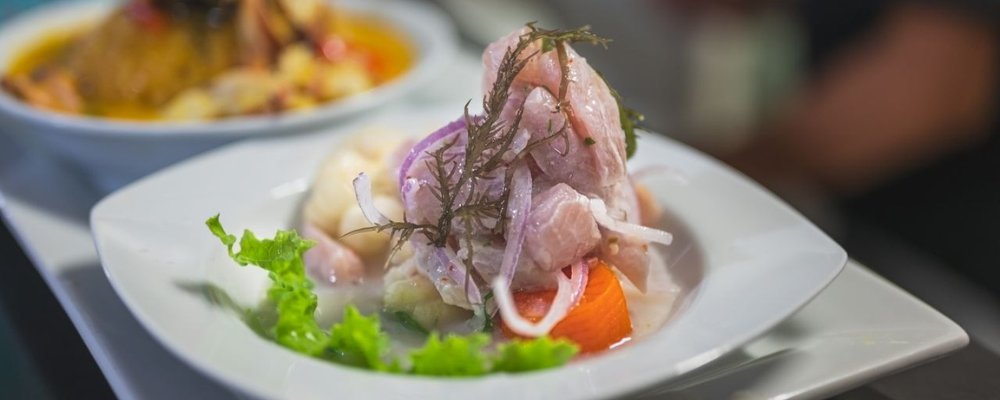
Maido, led by chef Mitsuharu "Micha" Tsumura and known for its exquisite Nikkei cuisine that blends Japanese and Peruvian flavors, is another restaurant not to pass up. Try the ceviche, Peru’s national dish of raw fish marinated in lime juice, often served with onions, chili, and sweet potatoes. Or, for a more authentic and cheaper experience, visit the local cevicherías, small eateries dedicated to this seafood delicacy, which are found throughout Lima and coastal towns. Meander with your nose in the air, taking in the aromas wafting through local markets like Mercado Central and Mercado de Surquillo; great places to sample fresh produce, traditional street foods, and regional specialties.
Astrid y Gastón is one of Peru’s most iconic restaurants, founded by chef Gastón Acurio, known as the ambassador of modern Peruvian cuisine, and Astrid Gutsche, head pastry chef and creator of a dessert that will have you licking your lips in anticipation: La Lúcuma, often called her dramatic chocolate sphere or chocolate bomb. Astrid y Gastón is also renowned for its contemporary take on traditional Peruvian dishes, emphasizing local ingredients and sophisticated presentation. The restaurant embodies the spirit of Peruvian gastronomy while elevating it to fine dining standards.
Cusco, the historic capital of the Incas, offers a different culinary experience. Here, traditional Andean ingredients such as potatoes, corn, and quinoa take center stage.
This is where you can wrap your lips around dishes like cuy chactado (fried guinea pig) or pachamanca, a traditional Andean stew cooked with stone-heated earth. The San Pedro Market in Cusco is a bustling hub you won't want to miss. The city also boasts many cozy restaurants serving fusion dishes that combine indigenous flavors with modern techniques.
In the Amazon rainforest regions, such as Iquitos, the cuisine is heavily influenced by local ingredients like river fish, fruits, and herbs. Dishes like tacacho (mashed plantains with pork) and juane (a rice-and-meat dish wrapped in banana leaves) offer a taste of Amazonian culinary traditions that will light up your smile. Eating at local riverfront eateries offers an authentic experience and a chance to savor unique flavors you won't find elsewhere.
For regional delights, venture to Arequipa, known as the "White City," where the hearty cuisine includes dishes like rocoto relleno (stuffed spicy peppers) and adobo (a flavorful pork stew). The city’s traditional picanterías serve these local dishes in a lively, communal setting. Arequipa’s desserts, such as queso helado (a frozen milk-based treat) and picarones (sweet potato doughnuts), are well worth the calories.
Peru offers a rich tapestry of culinary experiences across its cities and regions, with each region’s distinct ingredients and cooking styles making Peru a paradise for food enthusiasts eager to eat their way around the country.
Gail Palethorpe, a self proclaimed Australian gypsy, is a freelance writer, photographer and eternal traveller. Check out her website Gail Palethorpe Photography and her Shutterstock profile.