
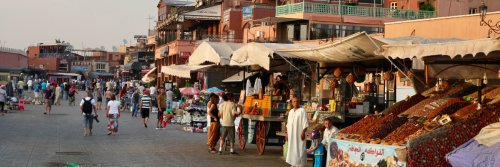
Foreign language, foreign culture, and, of course, foreign food have lured travelers across borders for years. Those who shop for food daily or weekly, which is seen as a chore to do at the end of the day before heading home to cook, suddenly become enamored with strolling local supermarket aisles and poking their noses around food markets in foreign countries when on holiday. This type of food voyeurism has become a popular new way to experience local food and culture.
The trend of local grocery shopping while on international holidays reflects a broader shift towards authentic and sustainable travel experiences. Instead of relying solely on international chains or tourist-oriented supermarkets, travelers are increasingly seeking out local markets and grocery stores to immerse themselves in the culture.
This trend has plenty of upsides for food lovers. You get to poke around regional delicacies, seasonal produce, and have a more genuine understanding of the destination's culinary traditions that can’t always be gleaned from ordering off a menu at a restaurant. Shopping this way, even if you don’t buy anything at the end of your grocery forage, lets tourists connect with the local community and gain insights into daily life abroad, while also supporting the local economy if you do happen to grab a goodie you have never tried before. From bustling markets in quaint village squares, messy street food markets, to a particular country’s chain supermarkets, the eating habits of the locals are on display, sometimes stacked in colorful disarray, often on neatly packed shelves with signs that you can’t read or decipher. And during a festival time, you will see foods that only appear on these special occasions.
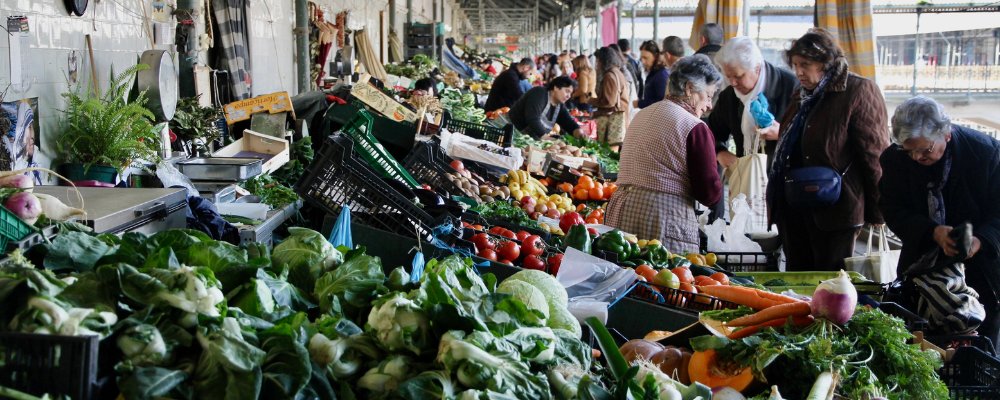
The other benefit for travelers strapped for money or on a tight budget is that it encourages a cook-your-own-meals mentality—that is, if you know how to cook the produce you have picked. Think long and hard before you are tempted to cook ‘Fugu’ in Japan. This pufferfish has deadly tetrodotoxin in its organs. Unless you have had three years of training on how to remove the poisonous bits, you will be sentencing your diners to a horrible death from failing respiratory muscles; that’s after numbness around the mouth, vomiting, loss of coordination, and difficulty speaking—not a pleasant way to go! ‘Lutefisk’ in Norway is another seafood to steer clear of if lacking preparation knowledge. While ‘Durian’ in Southeast Asia will stink out the whole complex where you are staying. And if you think about cooking Rocky Mountain Oysters in North America, you may want to think again. These are bull testicles (not seafood) that may make you cringe to prepare because you have to peel away the tough, leathery outer layer before getting to the inner meat, which is soft and spongy. If you love eating offal, you will be in heaven. If you don’t like preparing animal organs, you will be gagging over the sink!
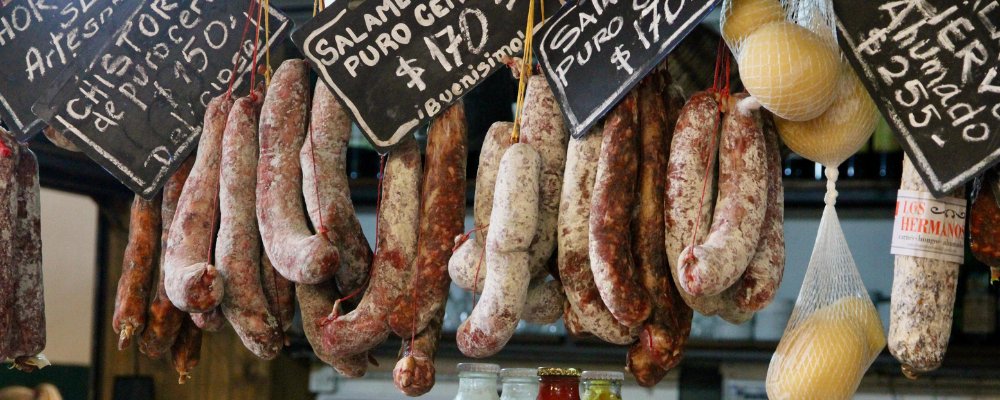
For traveling souls horrified at the thought of cooking on holidays, you don’t need to miss out on this enlightening, curiosity-fuelled activity. Many international grocery stores have bakery items (think crunchy bread), local cheeses, and some will have local wine lined up on shelves. No preparation is required beyond placing cheese on a plate if you want to be fancy, and it makes the perfect lunch on a picnic rug in the countryside, or mouthfuls of delicious bites while you indulge in the wine and watch a sunset from a balcony.
The rise of social media and travel blogs has also helped popularize this grocery shopping trend. Many travelers share their experiences of exploring local markets, recommending specific stores or products. Such content inspires others to adopt similar practices, creating a ripple effect that promotes more authentic and sustainable travel habits. Many designated market tours or foodie experiences offer multilingual guides and often include interactions with vendors, tastings, and demonstrations, making the activity educational and engaging. Travel apps and online resources can also help tourists navigate local markets and grocery stores and even tell you the name of that Italian writhing cheese (full of grubs or maggots): ‘Casu martzu’; that’s not for the faint-hearted cheese lover.
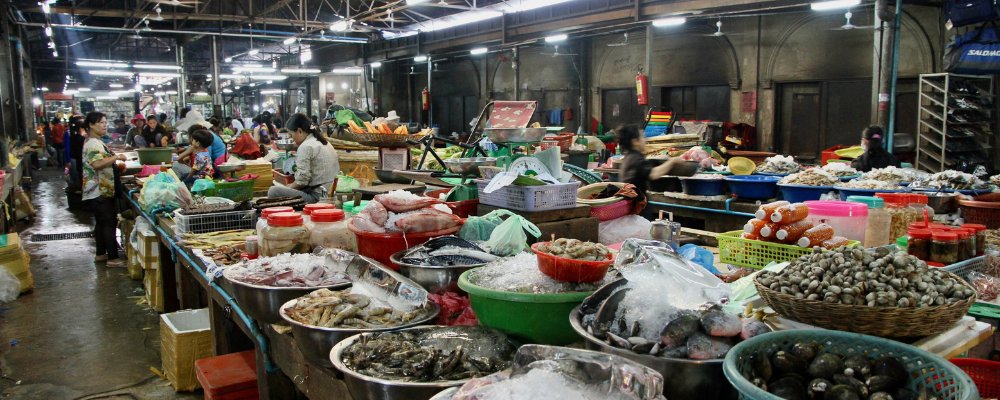
Shopping locally aligns with the growing emphasis on responsible tourism. Travelers are increasingly conscious of their environmental impact and prefer to buy from local vendors rather than large multinational corporations. This supports small-scale farmers and local entrepreneurs, helping preserve cultural heritage and local economies.
Just remember: if you find amazing produce you want to bring home, you may face restrictions at your home airport security due to safety, health, and legal regulations. The most commonly prohibited foods travelers try to bring back from holidays include fresh produce, meats, dairy products, and homemade or perishable items. These restrictions are primarily in place to prevent the spread of pests, diseases, and invasive species that could harm local agriculture and ecosystems. Don’t buy anything that is on a country’s prohibited list, because it will end up in security’s bin and you may be fined.
Gail Palethorpe, a self proclaimed Australian gypsy, is a freelance writer, photographer and eternal traveller. Check out her website Gail Palethorpe Photography and her Shutterstock profile.