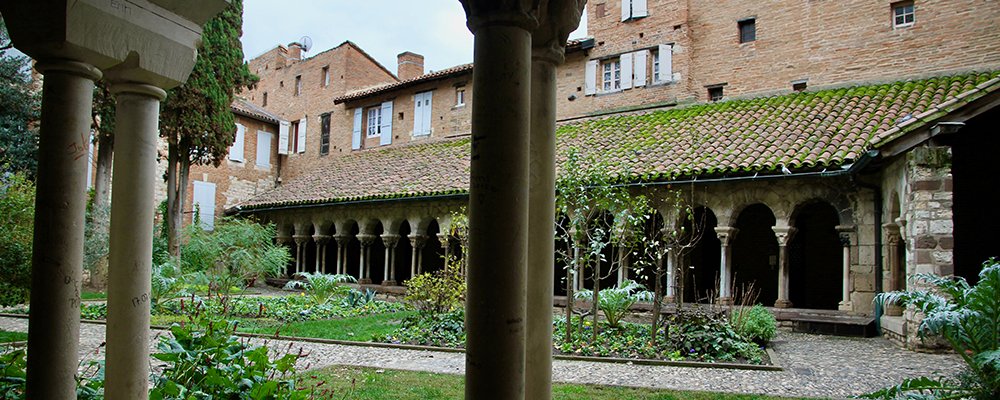
The UNESCO World Heritage city is a place to slowly meander while gorging on a pain au chocolat from one of the many scattered bakeries throughout its cobblestoned alleys. Albi is the birthplace of the famous post-impressionist painter Henry de Toulouse-Lautrec (1864). His unmistakable style as a painter, printmaker, draughtsman, caricaturist, and illustrator of the outrageous and decadent life of Paris in the late 19th century is displayed at the Musée Toulouse-Lautrec in the Palais de la Berbie, a historic 13th-century former bishop’s palace that’s wrapped in a stunning garden in the heart of the city.
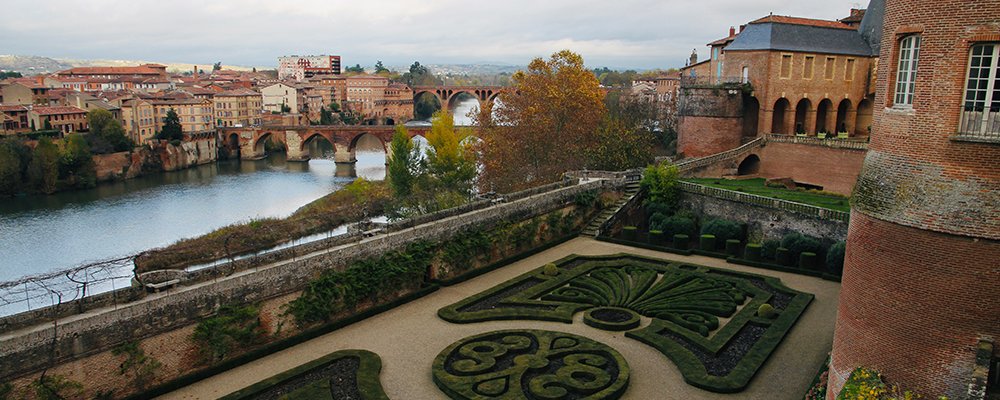
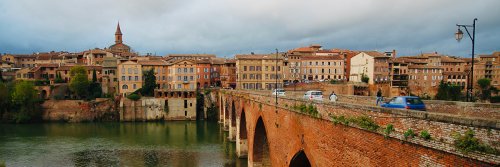
Albi, also known as ‘the Red City’, is split by the Tarn River. It’s from the clay of this river that the bricks were made to build the city, giving the buildings their distinctive maroon and orange hues. Gothic architecture reaches a crescendo in its narrow streets, where many medieval homes have upper floors that overhang the street below, creating quirky street scenes. Property tax was based on ground area, hence this mad architecture was conjured up by medieval tax evaders. The Place du Vigan, the main square, buzzes with cafes, shops, and street performers, creating a lively atmosphere perfect for grabbing an outdoor table to sip espresso and people-watch. Take a scenic walk over the ancient river bridge, the Pont-Vieux, originally built on stone piles in 1035. The city’s library houses one of the oldest known maps of the world from the 8th century. Walking Albi’s streets with its humid subtropical climate is a true step back in time.
It’s this climate that has contributed to Albi’s position as the earliest wine-producing region in France, dating back to Roman times, offering a rich tapestry of history, tradition, and exceptional wines that reflect the unique terroir of the Occitanie region. The vineyards in this region benefit from a diverse climate, combining Mediterranean warmth with Atlantic influences, creating ideal conditions for cultivating a variety of grapes. Among the prominent wine regions near Albi is Gaillac, one of France’s oldest and most renowned wine appellations, dating back over 1,000 years. Gaillac is celebrated for its diverse range of wines, including reds, whites, rosés, and sparkling varieties. The region’s signature grape varieties include Duras, Braucol, and Mauzac, which produce robust reds and lively whites. Many wineries here still practice traditional methods, contributing to the area’s reputation for producing high-quality wines with vineyards being passed down through generations. Some of the most prominent include: Chateau Lastours, Domaine Gayrard, Plageoles Estate, Domaine de la Petite Tuile, and Chateau de Tauzies.
Originally inhabited by the Gauls, the area was later conquered by the Romans, who recognized its strategic importance and established it as a key settlement. During the Roman era, Albi was known for its viticulture and trade, laying the groundwork for its development as a significant regional center. In the 12th and 13th centuries, Albi was also notable for the Cathar movement, a Christian dualist sect considered heretical by the Catholic Church. The town was a stronghold for the Cathars, and this period was marked by conflict, including the Albigensian Crusade launched by the Church to suppress the heresy. The crusade led to widespread violence and the eventual decline of Cathar influence in the region. Despite this turbulent history, Albi thrived as a center of commerce and culture, benefiting from its strategic location along important trade routes.
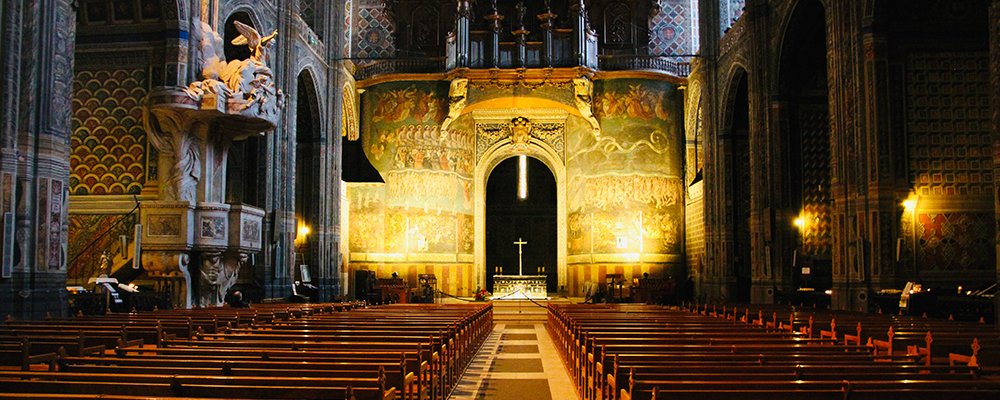
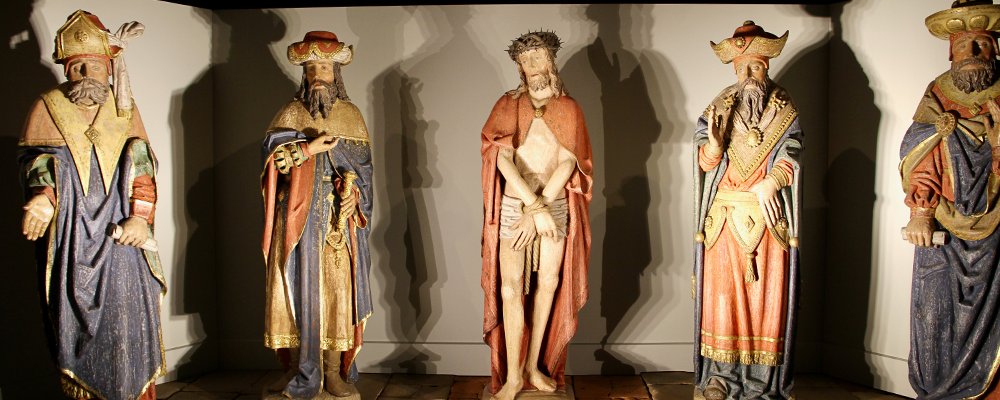
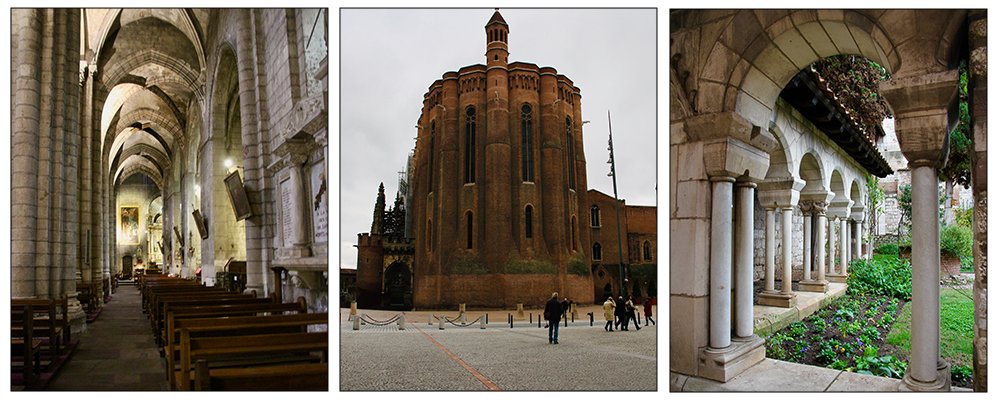
In the Middle Ages, Albi became a major religious hub, especially because of the construction of the impressive Sainte-Cécile Cathedral, which began in the 13th century and took over a century to complete. The mammoth Sainte-Cécile Cathedral, built from 1282 to 1493, is still the largest brick cathedral and brick religious building in the world, dominating the city. Designed on the exterior as a fortress to intimidate and demonstrate the power of the Catholic Church, its interior is incredibly ornate and a wealth of color, featuring frescoes that take your breath away. It’s said that the painted frescoes were designed to teach the Bible to a predominantly illiterate population.
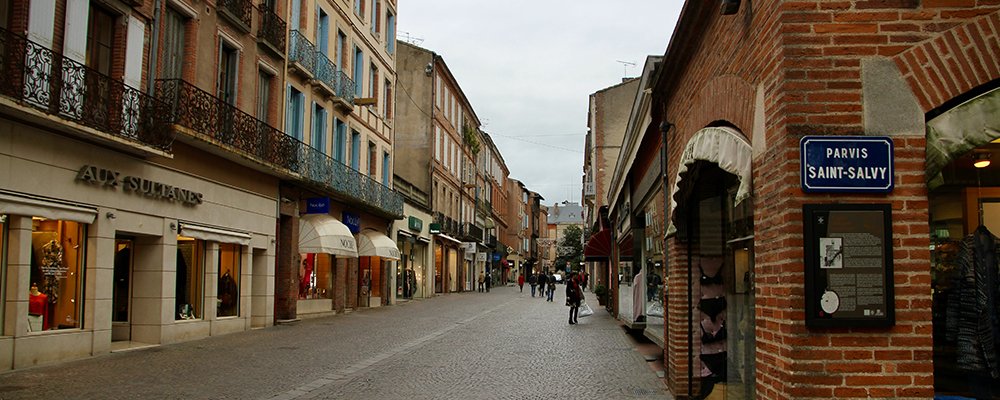
Albi hosts various festivals and events throughout the year, including the Festival of the Tarn, which celebrates local culture through music, dance, and food. The city’s culinary scene showcases traditional Occitan dishes like cassoulet, and its local wines offer a taste of regional flavors. Albi offers a perfect blend of history, art, and natural beauty, reflecting a tapestry of religious fervor, conflict, artistic achievement, and resilience, marking it as a fascinating chapter in the story of southern France.
Gail Palethorpe, a self proclaimed Australian gypsy, is a freelance writer, photographer and eternal traveller. Check out her website Gail Palethorpe Photography and her Shutterstock profile.