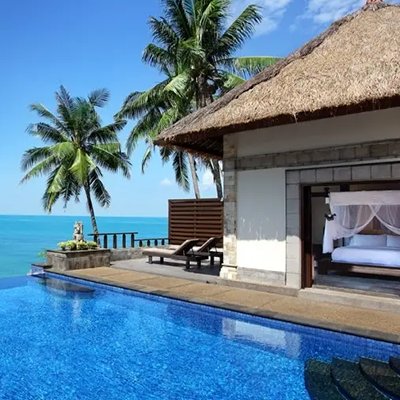
The Republic of Palau is the perfect escape destination for its incredible diving and snorkeling in protected, transparent waters, its indigenous culture, and the chance to stuff as much delicious fresh seafood as you can into your mouth at any one time. The highlight of Palau’s cuisine is experiencing the mouthwatering tastes of fish or pork cooked in an ‘umu’—an underground oven where food is slow-cooked over heated stones. This technique imparts a unique smoky flavor that you won’t find anywhere else. In between your water escapades, you can loll around on pristine sandy beaches slurping coconut juice or letting the nectar of a freshly picked papaya dribble down your chin. When you have had enough of sun worshipping or hiding under a palm tree with a good book, it’s easy to jump on a boat and zoom between beautiful islands with the taste of salt in the air.
Palau is a small island nation in the western Pacific Ocean, renowned for its stunning natural beauty. Consisting of approximately 340 islands, Palau is part of the Micronesia region and covers an area of about 459 square kilometers. Despite its modest size, Palau boasts a diverse ecosystem, crystal-clear waters, and vibrant marine life. The country’s capital is Ngerulmud, situated on Babeldaob Island, the largest island in the archipelago. Its history is deeply rooted in its indigenous culture, with the Palauan people having inhabited these islands for thousands of years. Historically, the islands were part of a complex society with unique customs, traditions, and social structures. Palau’s economy is primarily driven by tourism, fishing, and agriculture. Tourism, especially eco-tourism and diving, provides significant revenue and employment opportunities. The government has implemented measures to protect its natural resources and promote sustainable tourism.
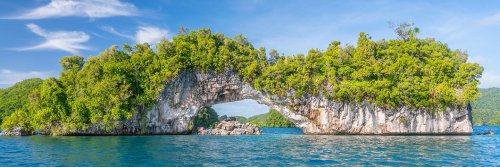
One of Palau’s most famous features is the Rock Islands, a UNESCO World Heritage Site in southern Palau, consisting of over 300 limestone islets scattered across a lagoon, creating a mosaic of lush green islands, hidden lagoons, and crystal-clear waters. The area covers approximately 14,000 hectares and is part of the larger Palau National Marine Sanctuary, emphasizing its importance for conservation and sustainable tourism.
One of the most striking features of the Rock Islands is their dramatic karst topography, shaped over millions of years by limestone dissolution. This process has created caves, tunnels, and sinkholes, adding to the islands’ mystique.
The lush vegetation covering these mushroom-shaped islands provides habitat for numerous creatures. Bird species include the Black-naped and Bridled Terns darting between the islets, Brown and Black Noddy birds nesting on rocky ledges, the Pacific Reef-Heron stalking the waters’ shores on the hunt for small fish, while White-tailed Tropicbirds gracefully glide just above the turquoise water surface or follow the stark edges of the cliffs. Geckos cling to forest trees, and the Palau Snake-eyed skink scurries amid the rocky landscape scattered with leaves, where land crabs can also be found, while the rare Palau Bevel-nosed Boa and tree snakes are busy slithering. Gossamer-winged butterflies flit in a pale hue, and Swallow-tailed butterflies dance and flash their vibrant colors. The islands are also home to several archaeological sites that indicate early human settlement, with artifacts and cave paintings offering insights into the region’s ancient cultures.
The marine environment surrounding the Rock Islands is just as impressive. The waters are teeming with diverse marine life, including coral reefs, tropical fish, sea turtles, sharks, and manta rays. The vibrant coral ecosystems are some of the most pristine in the Pacific, attracting divers and snorkelers from around the world. The area’s UNESCO-protected status helps preserve these fragile ecosystems from threats such as overfishing, climate change, and pollution.
It’s in the Rock Islands that you will find Jellyfish Lake, famous for its population of millions of harmless jellyfish. These jellyfish have evolved over thousands of years in isolation within the lake, losing their stinging ability but retaining their mesmerizing appearance and gentle movements. You can snorkel among these translucent creatures without fear of being stung, thanks to their non-aggressive nature and the jellyfish’s lack of nematocysts. The lake’s calm, warm waters offer perfect conditions for snorkeling, providing a surreal experience as you glide through the clear, blue water and observe the jellyfish’s graceful, slow pulsating movements. The best time to visit Jellyfish Lake is during the dry season, from March to May, when water visibility peaks, often exceeding 50 feet. The lake’s ecosystem is fragile, so strict guidelines are in place to minimize human impact, such as no sunscreen or oils that could harm the jellyfish.
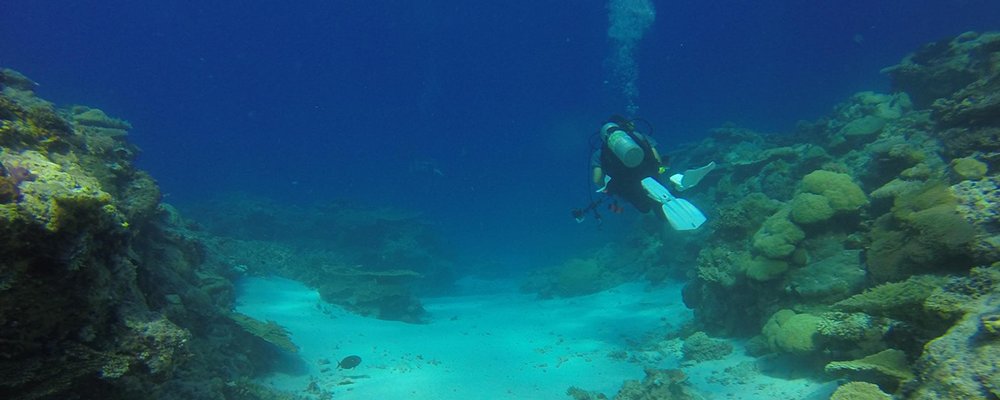
Another must-do is to snorkel or dive at the ‘Big Drop Off’, located in the Southern Lagoon of the Rock Islands. This area is famous for its dramatic underwater cliffs that plunge hundreds of feet into the ocean, creating a unique environment teeming with diverse aquatic species. The Big Drop Off's appeal begins with its breathtaking scenery. As you enter the water, crystal-clear turquoise waters greet you, offering excellent visibility that often exceeds 100 feet. The underwater topography is awe-inspiring, with vertical walls covered in vibrant corals and sponges that serve as habitats for countless marine creatures. You can explore the shallow coral gardens near the shoreline before gradually being drawn toward the edge of the drop-off, where the sea floor suddenly drops away into the deep, dense blue. The contrast between the brilliant coral reefs and the dark abyss is mind-boggling.
Clownfish, angelfish, butterflyfish, and parrotfish swim among the coral formations, while larger species like reef sharks, rays, and occasional turtle sightings add an element of excitement. The best time to snorkel at the Big Drop Off is during the dry season, from November to April, when the weather is calmer and visibility is at its peak.
Both channels in the Rock Islands, Ulong and German, offer vibrant, diverse marine life for snorkelers and divers. Ulong Channel does have strong currents, and because of this, it’s famous for easy tide drifting experiences over shallow coral beds where the sharks and groupers hang out. In the German Channel, you will get to float above coral gardens where colorful reef fish and sea turtles play. From March to November, the highlight is seeing the gentle giants of the sea, graceful manta rays, that appear to fly like birds through the water.
Conservation efforts in the Rock Islands are essential to protect their ecological and cultural integrity. Palau has implemented strict marine protected areas and sustainable tourism practices to preserve this natural wonder.
Gail Palethorpe, a self proclaimed Australian gypsy, is a freelance writer, photographer and eternal traveller. Check out her website Gail Palethorpe Photography and her Shutterstock profile.