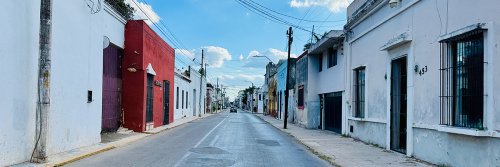
A morphing of the old with the new, its Mayan heritage touched by Spanish influence, the city of Mérida is the capital of the Yucatán State of Mexico. Known as ‘The White City’ for its many colonial whitewashed buildings, it’s rich in tradition, culture, and history. The surrounding region is a hub for adventure seekers or those into natural beauty, as it’s within easy reach of stunning cenotes for dipping into when it’s hot, archaeological sites that will leave you gobsmacked, and quaint colonial architecture housing some of the best restaurants in Mexico. With streets that only appear crowded when you happen upon the city heart, this is one town that my daughter and I explored on foot. It gave the impression of an elegant country town dipped in Mexican flavors. Unlike Oaxaca, Merida is easy to walk around as it’s predominantly flat. You just have to be aware of skinny paths and plenty of rumbling buses. And, as throughout the whole of Mexico, the never-ending appearance of old ‘vochos’ (VW Beetles) in various conditions. Apparently, the classic ‘VW Bugs’ were produced in Mexico until 2003 and have been passed down through generations as family heirlooms.
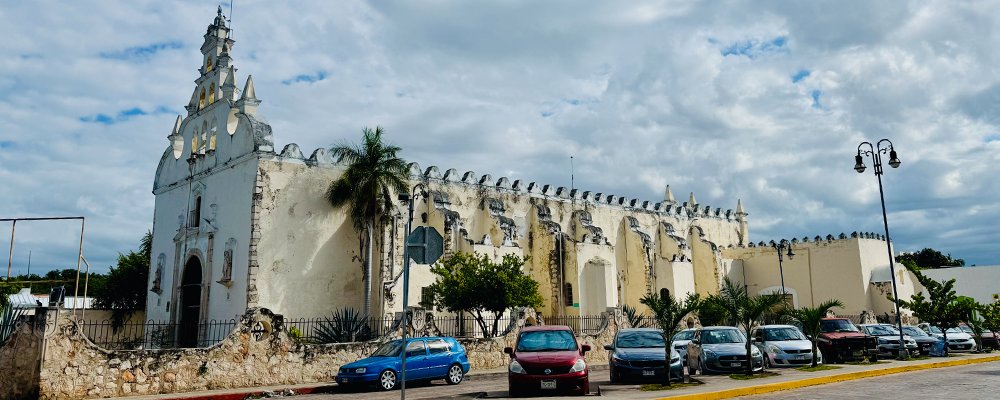
Merida’s history goes back thousands of years, long before the Spanish arrived in the 16th century, when it was a major Mayan city named T’ho, which means ‘City of Five Hills’. It was a significant commercial hub featuring great pyramids and a population of around 35,000 people, with easy access to fresh water from natural sinkholes (cenotes). When in 1542 it was conquered by the Spanish conquistadors in a bloody battle, the city was razed to the ground to make way for the victors’ rebuilding. From these ravaged and burnt-out structures, the Spanish reused many carved stones for their colonial buildings, as seen in the Cathedral of San Ildefonso. Despite it being the end of an era, the Mayan culture blended with the victor’s Spanish influences.
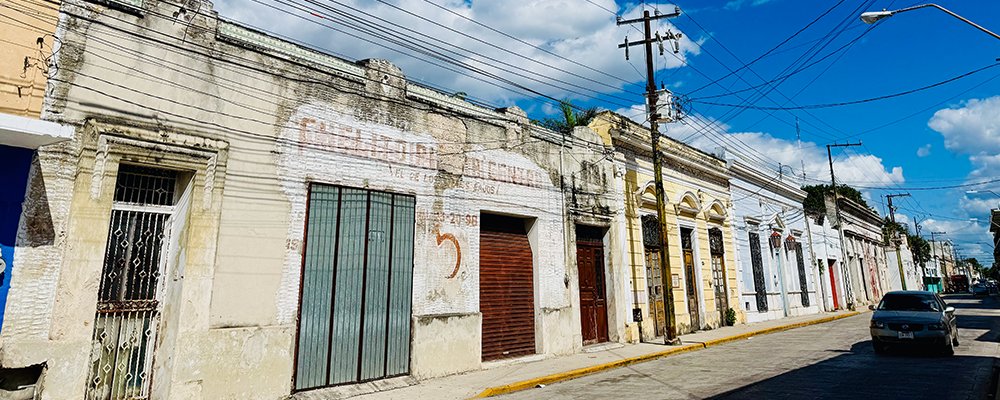
Merida became a wealthy city in the 19th and 20th Centuries due to its strategic location for the ‘henequen’ industry—a species of agave plant that’s native to the Yucatán Peninsula, often referred to as ‘green gold’. This wealth enabled the town to build many beautiful public buildings and mansions. Named after Mérida in Spain, today, the Paseo de Montejo, inspired by Parisian boulevards, is lined with grand mansions, museums, and cafes, serving as a testament to Mérida’s prosperous past. The city’s architecture is a captivating mix of colonial, neoclassical, and modern styles, with landmarks such as the Mérida Cathedral, built in the 16th century on the site of a Mayan pyramid, standing as a symbol of the city’s layered history. Merida played a key role in Mexico’s independence movement over the 19th and early 20th centuries, when social and political upheaval made it a hotbed of revolutionary activity, and the city became embroiled in numerous events that shaped Mexico’s modern history.
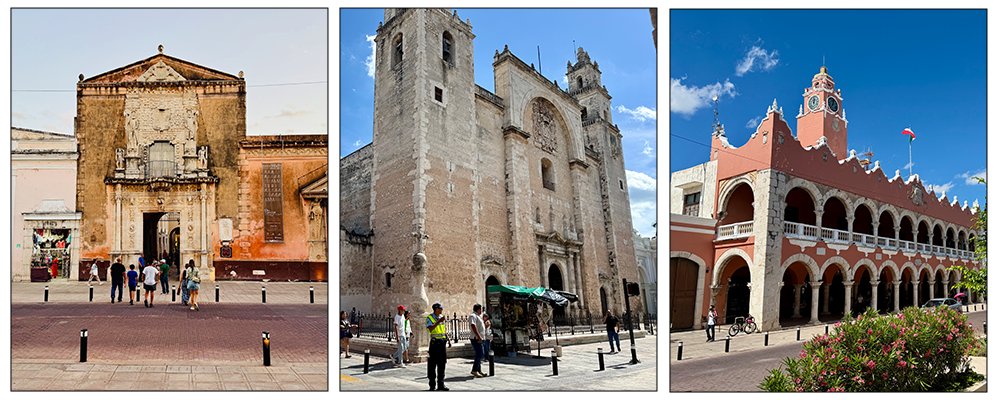
The city’s historic center is dotted with structures such as the previously mentioned Cathedral of San Ildefonso and the Palacio de Gobierno, which showcases a blend of colonial and indigenous styles. The newly gentrified neighborhood of Santa Ana is worth exploring for its art galleries, boutique shopping, and upmarket restaurants. And, the town’s vibrant markets are a feast for the senses. Here, stalls are filled with local crafts, fresh produce, and regional delicacies like cochinita pibil (slow-roasted pork) and Xtabentún (a traditional Yucatecan liqueur). The Mercado is an excellent place to experience authentic local life and purchase handcrafted souvenirs.
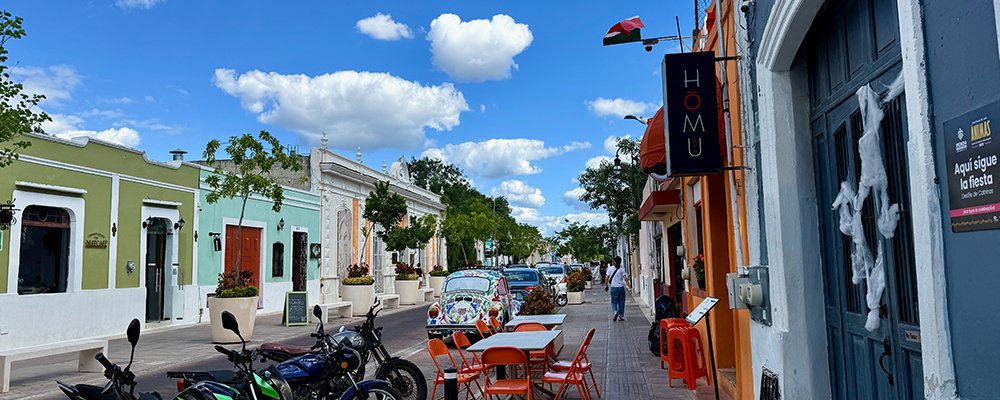
Merida’s cultural identity is deeply rooted in its Mayan and Spanish influences, which are celebrated through festivals such as the Day of the Dead (when skeletons rule the streets) and the Mérida Fest that celebrates the founding of the city—the streets become live stages for various events like music, dance, food, and art. The city also hosts numerous cultural events, including the annual Festival de la Ciudad, which highlights its artistic and musical talents.
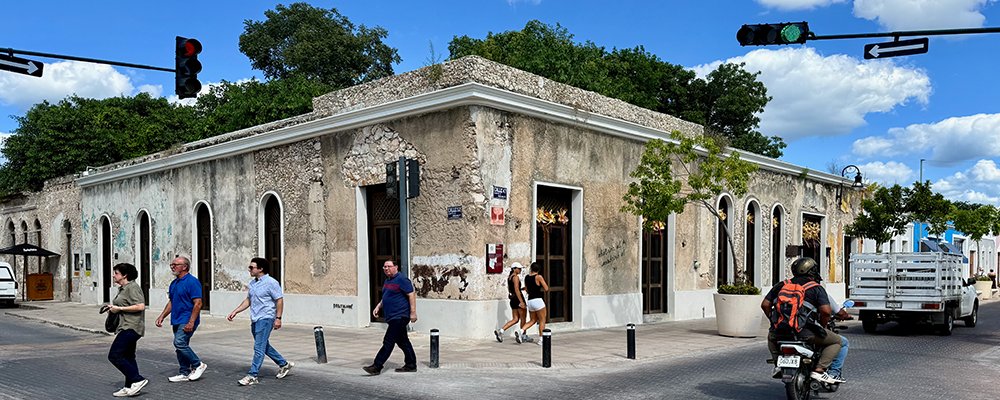
In recent decades, Merida has gained recognition as a safe, clean, and culturally vibrant city. As a gateway to the Yucatan Peninsula, with its wealth of ancient sites such as Chichén Itzá, the ‘yellow’ town of Uxmal, and cenotes, Mérida continues to grow in popularity, offering a fascinating glimpse into Mexico’s diverse cultural landscape. Its incredible history, from a Mayan city to a colonial stronghold, and finally into a modern town honoring its diverse heritage, makes it a fascinating destination.
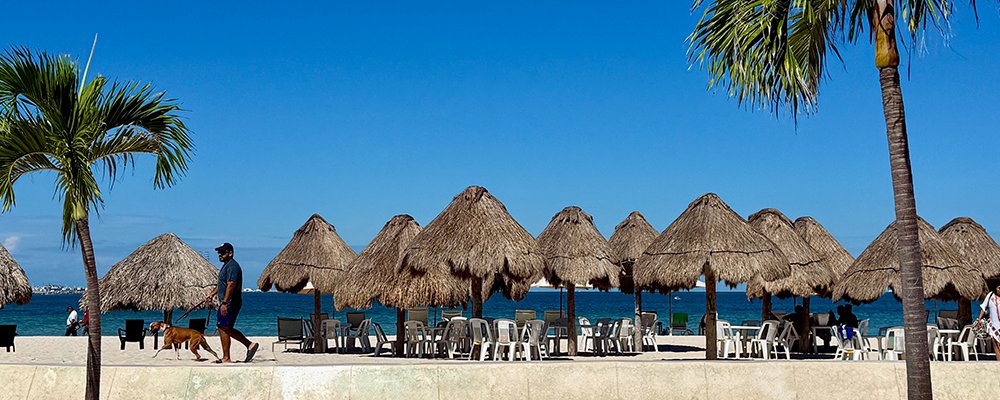
When you have a craving for some seaside salty air, head to the town of Progreso, a port town only 40 minutes away, sitting on the Gulf of Mexico. It’s the heart of maritime activities and where bronzed bodies play on white-sand beaches, being waited on by restaurant staff running to and fro across the hot sand barefoot. This seaside resort area is super-manicured to within an inch of its life, with deck chairs and tables under beach huts, serviced by restaurants dotted along the wide, pedestrian-only promenade. One block back from the beach there are local markets to explore, and colonial-era buildings and churches dot the streets. Progresso is a bit of a hub for eco-tourist adventures (think nature reserves, mangroves, cenotes, birdwatching, and snorkeling), and it’s also a pickup point for the nearby archaeological sites of the Dzibilchaltún and Xcambó.
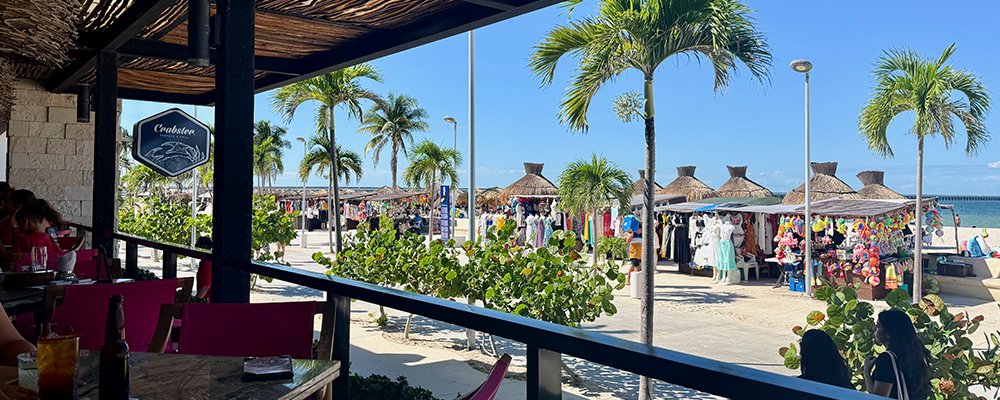
My daughter and I stayed in the city of Mérida, but we did indulge in a day trip to Progreso. We concluded that the city suited us better than sitting on a ‘sanitized’ beach that seemed to be a tourist-only area.
Mérida has been listed on Booking.com’s 2026 predictions for travel trends for wandering souls seeking historical charm and cultural immersion.
Gail Palethorpe, a self proclaimed Australian gypsy, is a freelance writer, photographer and eternal traveller. Check out her website Gail Palethorpe Photography and her Shutterstock profile.