Shuffling my way up to the baggage x-ray screening at Guadalajara’s airport, I did the usual mental check of what was in my bag that might need to be taken out for ‘show and tell’. Coming to the conclusion that I hadn’t changed any items in my bag after going through Mexican airport security about six times in the last four weeks, I wore my usual big smile and said a pleasant ‘Hola’ as my bag disappeared into the dark depths of the x-ray tunnel. Feeling confident that I wouldn’t be pulled up for any reason after the magic wand had been passed over my person, my smile froze when the security officer grabbed my backpack for further inspection.
He delved into the obscure abyss and triumphantly pulled out the offending item—my plastic pump bottle of ‘Estrogel’ (the female menopausal savior) in its separate plastic bag. Ok, I thought it was 1.25 g, which is .25 over the allowed amount, but no other airport security guard had picked me up on it. Apparently, it wasn’t the amount; it was the actual product that had been raising his eyebrows. It was clearly marked with a sticker that it was prescription medicine. Because I didn't speak Spanish and he didn't speak English, we tried to communicat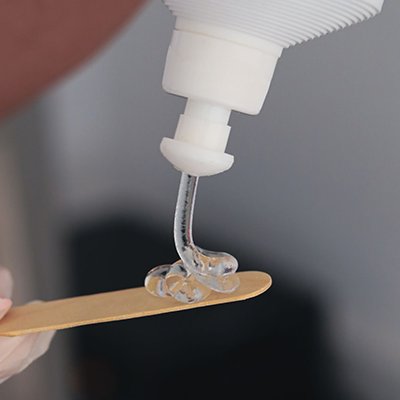 e using hand signals. In any other circumstances, it would have been funny. I tried to circumvent this game of charades by grabbing my mobile for its translation app, only to be told off by another guard that I couldn’t use it under any circumstances at the security checkpoint. I have never seen someone study an item for minute after minute with such intensity, all the while wearing a confused look. Meanwhile, the line behind me was growing and growing with impatient travelers trying to get through to catch their flights. I tried to hide my smile when he decided to put the whole bottle in the separate narcotic and explosive testing machine! I envisioned hormone gel blowing up the machine in an estrogen explosion.
By this time, the queue behind me was getting restless with the shenanigans. I kept on trying to explain that it was only prescribed HRT in a gel, but he wouldn’t have any of that. It took one of the people behind me, who spoke both Spanish and English, to try to explain to the officer exactly what it was. By now I had three security guards standing around having a pow-wow about this mystical bottle of goo. The top dog among the security guards noticed the commotion and came over to see what all the fuss was about. He took one look at the bottle and threw it back into my bag, waving me on. I fancied that I saw not only a look of annoyance, but a slight smirk at the incompetence of his underling. After half an hour of entertaining everyone in the security area, I walked away to catch my flight.
This is the drama of traveling with drugs in countries where you can’t speak the lingo.
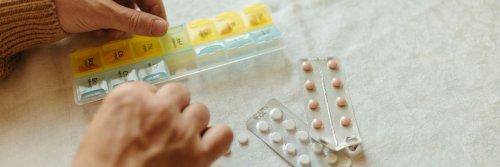
Traveling internationally with prescribed medicines can present numerous challenges. Different countries have varying laws regarding certain medications, especially controlled substances, which can lead to confiscation or legal trouble if not properly documented. For those travelers who need prescribed drugs, it’s wise to consider the tips below as important as organizing your travel insurance:
- Firstly, research your destination about what drugs can or can’t be taken into the country you are going to. Some prescription medicines that may be safe at home can be illegal in other countries. You might just have to stay home or pick somewhere else to go!
- Count the days of your trip and ensure you will have enough of your medication for the duration of your travels (including any devices needed, such as syringes) plus add a few extra as a ‘just in case’ measure.
- Prescriptions are only valid in the country where they are written, so make sure you have them filled before leaving home. Do your research, as you may have difficulty carrying sufficient quantities of your medicines, particularly for long trips due to baggage restrictions or customs inspections —and dealing with medical resources in a strange environment can be challenging if you need more drugs. Also, the cost of medications abroad may be much higher than what you pay at home, and they may not be the same dosage you need. Check that any medicine bought overseas isn't counterfeit or expired, that the packaging is sealed, and that the label doesn’t look dodgy.
- With your medications, take a letter from your personal doctor stating that the medication is for personal use only, the name of the drug, its purpose, the dosage you require, and any apparatus required, such as syringes. Depending on where you are going, it may be worth having the letter translated into the local language of your destination. Make sure the letter includes your doctor’s name, professional registration details, and the doctor's signature. Keep excess medicines in their original packaging with prescription labels showing your name.
- Time zone differences can affect medication schedules. Do your homework and create your own pre-boarding timeline—it can get quite confusing with time differences, so just count hours! Travelers with specific health conditions might face increased health risks if they cannot access their prescribed medicines in time, potentially leading to medical emergencies.
Gail Palethorpe, a self proclaimed Australian gypsy, is a freelance writer, photographer and eternal traveller. Check out her website Gail Palethorpe Photography and her Shutterstock profile.