

Since The Wise Traveller last wrote in May about tourist taxes kicking in, we are providing an update on how they are expanding and being adopted by more cities, regions and nations.
Edinburgh, Scotland
Edinburgh is Scotland’s first city to impose a 5% tourist tax. Coming into effect last month (July), the levy will see those staying overnight in hotels, bed and breakfasts and self-catering accommodation charged the additional tax on top of their booking cost.
However, the charge is capped at five nights, so those booking for the whole month of August, for example, will not face a 5% cost on every night of their stay. A £100-per-night room for five nights, costing a total of £500, would end up as £525 with the levy applied, not including VAT.
The rate does not change with the time of year.
Barcelona, Spain
It was in April that visitors were charged a tourism tax double what they had been. Now, city officials are considering imposing a combined €30 tax on cruise passengers who spend fewer than 12 hours in the city.
This follows a July meeting at which the city moved to pursue the maximum €24 municipal tax for short-stay cruise visitors. In April, Barcelona nearly doubled its hotel guest tax, raising the nightly charge from approximately $5-$9 to $10-$17 per person.
"Barcelona began rethinking tourism with innovative measures like the moratorium on new hotel construction back in 2017...Many of the measures will take time before they have an impact. But the message of the city now is, 'Not one tourist more,'" José Antonio Donaire, Barcelona's commissioner for sustainable tourism, told The New York Times.
Bucharest, Romania
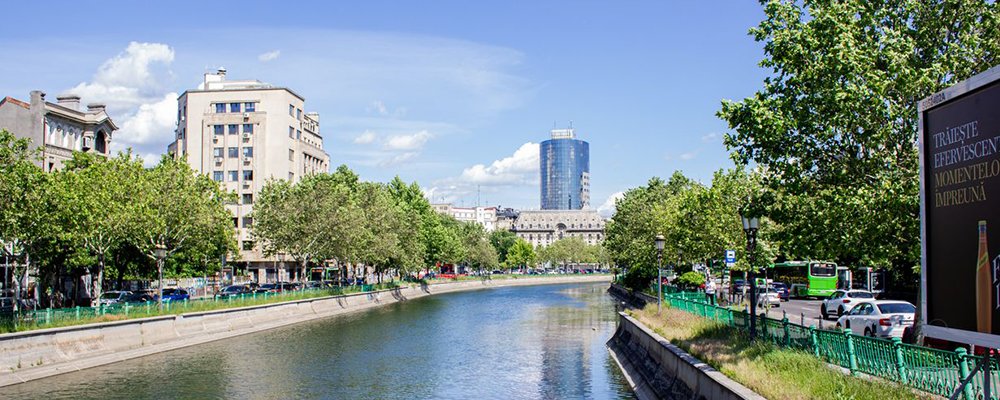
Bucharest plans to impose a tourist tax in 2026 to help raise an estimated €3 million annually. The General Council Municipality of Bucharest published a draft for a special levy to promote tourism, but the specifics are yet to be clarified.
The proposal is for each tourist staying in accommodation to be charged an extra €2 per night, which will be collected by accommodation providers and online booking platforms.
Vienna, Austria
The capital city of Austria will continue to increase its tourist tax in phases. Originally set at 3.2%, the rate climbed to 5% in July 2024 and will rise to 8% by July next year.
City officials emphasised the tax was necessary to offset the growing strain on infrastructure caused by rising tourist traffic. Plans for the additional revenue will be put to developing public transportation, roads, and municipal services.
Spain
Recent reports suggest that several cities and regions are beginning to adopt a tourism tax. Santiago de Compostela, for example, now charges €1 per person per night, mainly affecting hotels and tourist accommodation in the city.
Vigo is planning a similar tax, while Toledo is looking at a specific tax aimed at day-trippers arriving on tour buses. Discussions are also being pursued in the likes of Málaga and Seville.
Japan
As of July 1, 2026, Japan’s international tourist tax increased from 1,000 JPY to 3,000 JPY. First introduced in 2019, the tax is levied on travellers departing Japan.
This follows suit with other countries such as New Zealand and Bhutan, as well as various regions across Europe and North America. While many tourist taxes are levied nightly as a percentage of accommodation fees, Japan’s tourist tax is a one-time fee at a flat rate of 3,000 JPY.
Playfully dubbed by some as the “sayonara tax”, Japan’s international tourist tax is collected upon departure from Japan. In the vast majority of cases, the tax is automatically factored into passengers’ return ticket at the point of purchase.
Amsterdam, The Netherlands
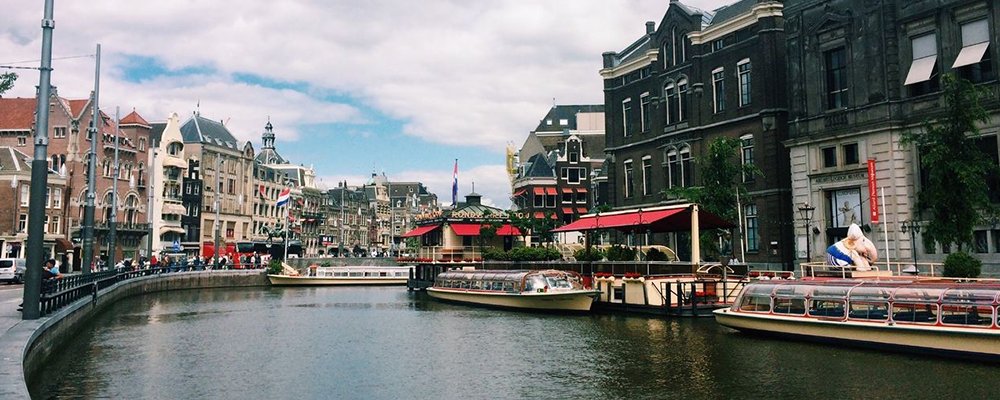
Plans are afoot to impose a 20% tourist tax and close the cruise port. Amsterdam already has a costly 12% overnight accommodation tax or a €15 tourist tax for day trippers.
But proposals being considered could see a 16% tax in 2027 and up to 20% by 2030. The revenues would be utilised to make Amsterdam a cleaner, safer and more livable city.
Venice, Italy
A new proposal has been aired by Venice's new mayor, which could see a dynamic pricing system for the city's access fee, under which the charge would rise to as much as $59 on the busiest days to ease overcrowding.
Mayor Simone Venturini said that the current fee of about $11 for last-minute reservations has not done enough to discourage visitors on peak days. Instead of imposing a fixed higher fee, the city wants to enact a form of surge-pricing, allowing the charge to rise with demand on the busiest days.
"We spend 100 million euros a year just to maintain Venice physically, and nobody gives us that money. Not Europe. Not the Italian state. It's paid by the people of Venice, and in part through tourism taxes," said Venturini.
Tromsø, Norway
The municipality of Tromsø is poised to become the first in Norway to implement a tourist tax. While the levy proposal is conditional on government approval, it could start as soon as January 1, 2027.
 Andy Probert is a British-born, Cyprus-based journalist who covers aviation, hotels, travel, and various topics for publications worldwide.