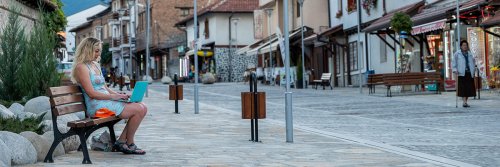
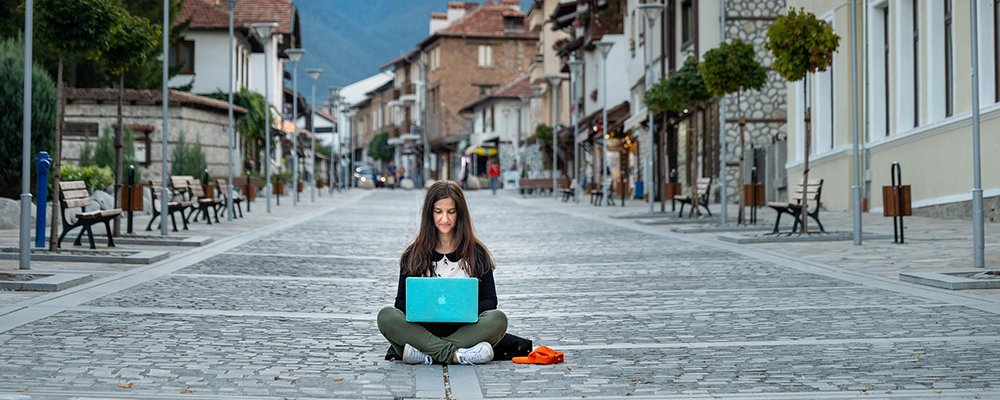
Wanting to quit the rat race and become a digital nomad is more tempting than ever. But with more than 60 countries offering digital nomad visas, which legally allow you to live and work remotely, the choice can be mindboggling.
The rise of remote working has transformed how millions of professionals live and travel, and the Global Digital Nomad Report has highlighted the nations leading the way in attracting location-independent workers. The report evaluated countries using factors such as visa accessibility, internet quality, tax policies, cost of living, innovation, safety, and quality of life. Here are the top six nations:
Spain: Spain secured the number one spot thanks to its combination of lifestyle appeal, infrastructure and flexible visa policies. The country’s Digital Nomad Visa has become one of the most attractive in Europe, offering remote workers the opportunity for extended stays and a pathway to residency.
Cities such as Barcelona, Valencia and Malaga have become thriving hubs. Spain combines fast internet speeds, excellent public transport and an established coworking culture with a relaxed Mediterranean lifestyle. Affordable healthcare and a strong café culture also appeal to freelancers and entrepreneurs seeking a balance between work and leisure.
With more than 300 days of sunshine in many regions, digital nomads can work from beachside cafés or mountain retreats almost year-round. The report praised Spain’s innovation ecosystem and cultural richness, which help create an attractive long-term base for international remote workers.
Netherlands: Ranked second largely because of its outstanding digital infrastructure, efficient transport systems and high quality of life. Amsterdam remains one of Europe’s premier startup cities, while Rotterdam and Utrecht are attracting international remote professionals.
Digital nomads speak of the country’s exceptional connectivity. Internet reliability is among the best in Europe, while English is widely spoken, making it easy for foreign workers to settle.
The Dutch approach to work-life balance also appeals to nomads looking for stability and productivity. Bicycle-friendly cities, excellent healthcare, and strong social systems create an environment where remote professionals can comfortably base themselves for longer periods.
While living costs can be high, many nomads view the trade-off as worthwhile due to the safety, organisation and business opportunities available across the country.
Uruguay: Emerging as one of the surprise entries in the rankings, Uruguay is the highest-rated South American nation for digital nomads. The country has positioned itself as a stable, safe and progressive destination with reliable internet and a welcoming atmosphere.
Montevideo has become increasingly popular with remote workers seeking a quieter alternative to larger Latin American cities. Uruguay’s political stability and low crime rates make it particularly attractive for long-term stays.
The country also offers excellent beaches, a laid-back culture and a relatively straightforward immigration process. For many nomads, Uruguay provides the opportunity to enjoy South American culture without some of the instability found elsewhere in the region.
Canada: Ranked fourth due to its strong economy, advanced digital infrastructure and high living standards. Toronto, Vancouver and Montreal have become magnets for remote workers and tech entrepreneurs.
The country’s multicultural environment is a major advantage. International professionals often find it easier to integrate into Canadian society thanks to its diversity and welcoming immigration policies.
Canada also performs strongly in healthcare, safety and innovation. For digital nomads who prioritise professional networking and career growth, Canada offers significant opportunities, particularly within the technology and creative sectors.
Many remote workers are attracted by the country’s natural beauty, from mountain landscapes to lakeside cities. Reliable infrastructure and modern coworking facilities make it one of the world’s most dependable remote-working destinations.
Czechia: Czechia has rapidly grown into one of Europe’s most attractive destinations for remote professionals. Prague, in particular, offers a compelling mix of affordability, history and modern infrastructure.
Compared with many Western European nations, Czechia offers a lower cost of living while still delivering excellent public transport, strong internet connectivity and vibrant cultural life. This balance makes it particularly appealing to freelancers and startup founders.
The country has also expanded visa opportunities and improved support for entrepreneurs and independent workers. Café culture and growing coworking scene continue to attract creatives, while its central European location makes it easy to travel across the continent.
Portugal: Portugal continues to be one of the most beloved destinations for digital nomads thanks to its affordability, climate and welcoming atmosphere. Lisbon and Porto remain highly popular, while Madeira has become internationally recognised for its dedicated digital nomad village initiative.
Portugal’s visa schemes have helped attract thousands of remote workers seeking long-term residency options. Combined with relatively low living costs, strong internet infrastructure and beautiful coastal scenery, the country offers an ideal environment for remote work.
The country also scores highly for safety and quality of life. Many nomads appreciate Portugal’s slower pace, excellent food culture and easy access to beaches and outdoor activities.
Portugal now hosts one of Europe’s largest digital nomad networks, with regular events, coworking hubs and startup communities helping newcomers settle quickly.
 Andy Probert is a freelance journalist whose work about global travel news, aviation, business and human-interest features has appeared internationally in print and digital formats.