Traveling is one of the most enriching experiences, especially when you find iconic cultural objects that make you smile or raise your eyebrows. I’m talking about objects that embody the unique spirit of a place and are a link to the city’s history, traditions, and creativity, often reflecting an eccentric side of a community.
Vietnam's little plastic stools are a prime example of an iconic, humble everyday object that has accidentally become a powerful symbol of national identity, social habits, and street life. This humble hero emerged widely after the economic reforms of 1986. An unassuming piece of plastic, often battered and scratched, is more than just a seat; it's a symbol of Vietnamese resilience, resourcefulness, and a surprising sense of style. You see these stools everywhere—on street corners, in family homes, at bustling markets, and even in the most upscale cafes, because nothing screams "chic" like a brightly colored plastic seat that has seen better days.
What makes these stools so fascinating is their uncanny ability to adapt to any situation. Need a quick step ladder? A makeshift table for your steaming bowl of pho? It’s as if each stool is saying, ‘I may be plastic, but I am indestructible—these things have survived rainstorms, sunburn, big bums and runaway bicycles.
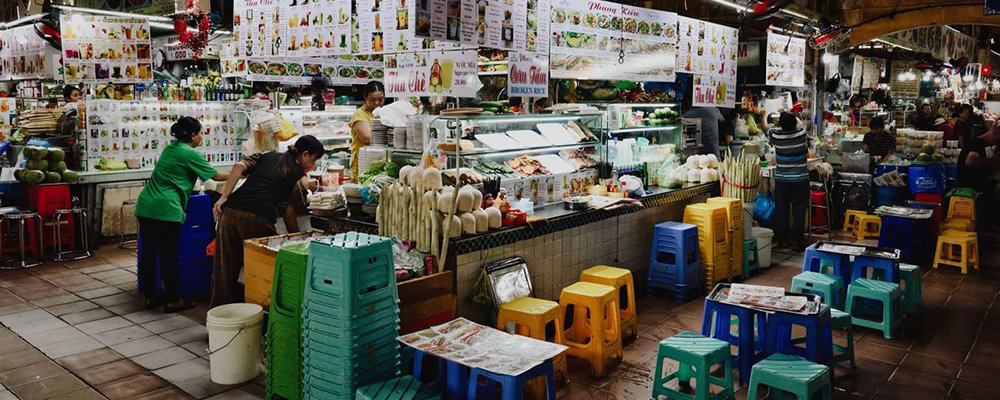
The beauty of these stools isn’t just their versatility but their social significance. They serve as the ultimate equalizer—no matter if you’re a street vendor, a university student, or a grandmother selling flowers, everyone shares the same throne. Plus, they’re dirt cheap, which is a blessing and a curse—blessing because everyone can afford one; curse because many have been abandoned, forgotten, or repurposed into plant holders.
These stools are the unintentional custodians of Vietnamese daily life—people have to squeeze onto one of these tiny thrones, knees in their chests. It’s a spectacle of determination and stubbornness. And the way they wobble, squeak, and sometimes bounce under the weight of an overly confident child or a particularly hefty body only adds to their charm. They are like the clowns of furniture—slightly wobbly, hard to perch on, and guaranteed to make you smile.
Their most endearing feature is their ability to transcend generations. Grandpa’s old stool, inherited by the grandson, still carries stories of countless cups of tea, heated debates, and quiet moments of reflection.
The Blue and White Porcelain Stools of China originated centuries ago as garden seats; these ceramic barrel-shaped stools bridged indoor and outdoor domestic life, evolving into a global interior design staple. Combining function and fashion with delicate charm, these stools are crafted from Chinese porcelain: tough as nails, yet as elegant as a ballet dancer, with a stunning blue-and-white pattern that makes you feel like you're sitting on a piece of history.
Both practical and quirky, it fits whatever you need—a small table for tea, or a plant stand that screams, ‘I’m classy and appreciate fine China.’ The blue-and-white porcelain stool nods to centuries of Chinese artistry. The downside? Perching your rear end on it for a marathon sitting session will require some padding.
Despite its delicate appearance, this stool has survived centuries and wars. Its history is a tapestry woven with tales of emperors, traders, and artisans who poured their soul into making something that’s both functional and breathtakingly beautiful. Today, it’s a symbol of how the Chinese mastered combining practicality with artistry.
The Dallah Coffee Pot of the Gulf Arab States is a traditional coffee pot, a universal symbol of Bedouin hospitality, and a symbol of Arab ingenuity that has brewed stories and strong coffee for centuries. It’s not just a coffee pot; it’s a cultural superstar, a conversation starter, and occasionally, causes battles over who gets the last sip. It’s an everyday item that turns the art of indulging in steaming, bubbling, aromatic coffee into a social ritual served up with smiles, chatter, and stories. It’s a testament to Gulf Arab resilience, patience, and the ability to turn a humble coffee pot into a symbol of unity. While sleek, modern coffee machines have taken over the world, the Dallah remains like a wise old sage with a shiny exterior and a story behind every dent and scratch. A timeless icon at cozy gatherings, community get-togethers, weddings, funerals, and treaties, the Dallah coffee pot reduces your world to the simple, amazing things in life—like the fragrance of freshly brewed coffee.
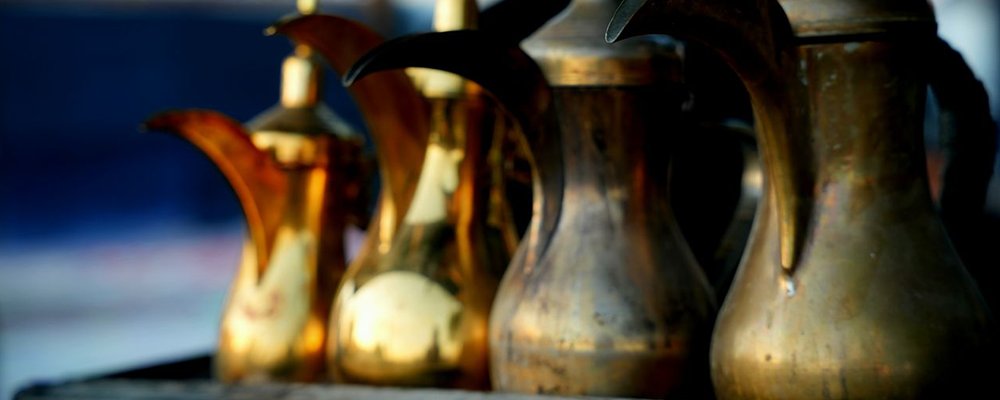
Mostly forged from copper, steel, or brass, it’s often decorated with hand-engraved geometric shapes that reflect regional artistry. Its shape is unique: a bulbous body, a narrow waist, a spire-like lid, and a long, crescent-shaped spout. It has been used for centuries across the Middle East as a sign of hospitality and respect, and quite often given as a gift. A Dallah pot turns the simple act of having coffee into a grand event.
The Aluminum Tiffin Carrier of India is more than a way to carry your lunch. This quaint aluminum tiffin carrier is a cultural icon, carrying not only food but also stories, traditions, and lots of love. Practical and resilient, this multi-tiered lunchbox is also fondly known as a ‘dabbā’. Inside this humble carrier, you will find a slice of India’s soul amidst the succulent tastes and maybe the secret to surviving the chaos of the communal rhythm of everyday urban working life. This shiny contraption is a portable culinary fortress, a testament to Indian ingenuity, and a shining symbol of the eternal battle against soggy sandwiches. Like a Russian doll, it’s a stack of aluminum bowls—shiny, dented, and slightly battered—each fitting perfectly into the next and overflowing with steaming rice, spicy curries, crispy snacks, and perhaps a mysterious side dish whose ingredients are known only to the person who packed it. And when it’s opened, the aroma of turmeric, cumin, and a hint of what-the-hell-is-that spice fills the air. It’s a sensory overload on steroids—a mini food festival in your nostrils.
Dabbawalas (people whose job is to pick up hot meals from workers’ homes) navigate the chaotic streets of Indian cities on bicycles to countless offices, street corners, and schools with a saying that ‘the food must reach on time’—while it’s still hot!
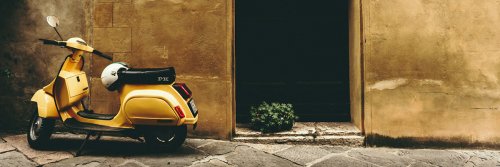
From red telephone boxes in the United Kingdom to yellow vespas buzzing around Italy like mosquitoes, everyday objects are often the solution to a particular country’s everyday drama.
Gail Palethorpe, a self proclaimed Australian gypsy, is a freelance writer, photographer and eternal traveller. Check out her website Gail Palethorpe Photography and her Shutterstock profile.