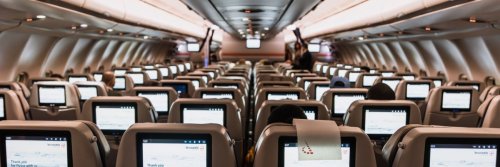
The ‘best’ seat is not always the ‘safest’ seat. The ‘best’ seat on a plane depends on what you value: comfort, quiet, convenience, or a quick exit. The ‘safest’ seat is a different question—and no seat can guarantee safety in a crash—despite the rush to book seat No. 11A after a 40-year-old British businessman miraculously survived Air India Flight 171, which was heading from Ahmedabad to London on June 12, 2025.
The Boeing 787 lost power shortly after takeoff and crashed into a medical college hostel. The tragedy killed 260 people, and amid the devastation, the businessman sitting in 11A near the left-side emergency exit was the sole survivor. He managed to unbuckle himself and escape through an opening in the fuselage. On a normal flight, 11A might earn you a window view, a bit of elbow negotiation, and perhaps a glimpse of the wing. His escape was extraordinary, but it shouldn’t be mistaken for proof that any particular seat is safe, as the story is far more than a number printed on a boarding pass.
After Air India Flight 171 crashed, seat 11A became aviation’s hottest booking request—apparently, even tragedy can launch a seat into celebrity status. Travelers began asking for it as though it came with complimentary luck, emotional support, and perhaps a tiny halo in the overhead bin. Some reportedly requested 11A on aircraft where row 11 wasn’t even near an emergency exit. Apparently, superstition doesn’t always check the aircraft layout before boarding.
The legend grew when a Thai entertainer said he had also survived the 1998 Thai Airways Flight 261 crash while seated in 11A. The coincidence sent the ‘miracle seat’ reputation soaring. Experts, however, remind passengers that no seat number is a good-luck charm. Being near an exit may help in some evacuations, but 11A can’t promise protection. It’s a seat that can’t promise a happy ending or extra legroom.
For safety, aviation experts generally emphasize that aircraft design, maintenance, crew training, and following instructions matter far more than choosing a particular seat. Crash circumstances vary, so no seat location is consistently safest in every event. Some analyses of past accidents have found lower fatality rates in rear-cabin seats. But these findings are based on limited historical data and cannot predict what will happen on a specific flight. Exit-row seats may offer quicker access to an exit, but only if that exit is usable and you are able and willing to assist as required.
A sensible choice is to select a seat that suits your needs, your height, your bladder, and how much you mind strangers climbing over you while you pay attention to the safety briefing. There is no single perfect seat—only a collection of compromises at 35,000 feet. Keep your seat belt fastened whenever seated, even when the sign is off; locate the nearest exits, remembering that the closest one may be behind you; and follow the crew’s directions. If you're traveling with children or anyone who needs assistance, choose seats that keep you together and make support practical.
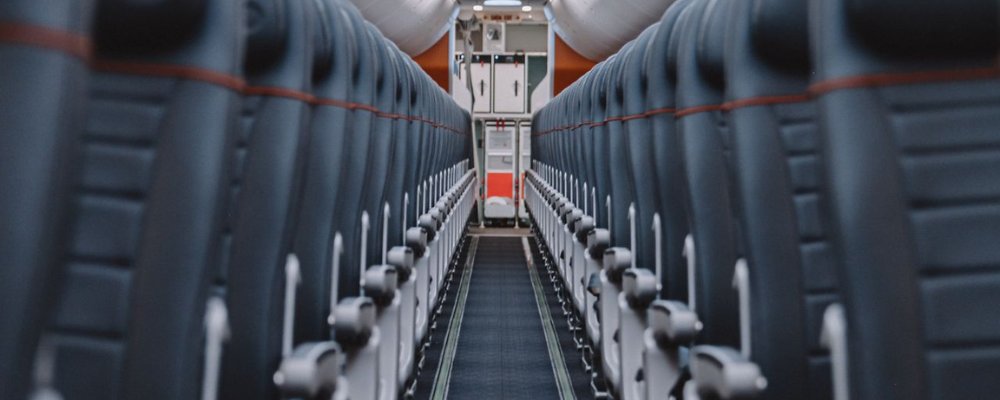
For many travelers, the window seat is the champion. You get a view of clouds, coastlines, and tiny cities that look like someone spilled glitter on a map. You can lean against the wall and sleep without a neighbor’s elbow conducting a surprise punch to your ribs. The drawback is that you must negotiate your way past two people whenever nature calls. Choose the window only if your water bottle is decorative.
The aisle seat is ideal for those who value freedom. You can stand, stretch, and use the bathroom without asking a sleepy stranger for permission. You may even feel like the captain of your own small kingdom—until a beverage cart arrives and parks beside your knees. Aisle seats also carry the risk of being bumped by bags, elbows, and passengers who apparently think the aisle is a bowling lane.
The middle seat is often described as the worst, but it offers one noble benefit: two armrests. This arrangement is governed by ancient aviation law, though enforcement is inconsistent. If you end up in the middle, claim your armrests politely and remember that your neighbors are trapped too. You are all in this together, like very cramped sardines in a tin.
Seats near the front can help you get off the plane sooner, which is useful if you have a tight connection or want to leave the airborne tin can with dignity. Seats near the back may be closer to the lavatories, a convenience that fades when lines form, and the cabin develops an unwanted soundtrack or aroma.
Overwing exit-row seats offer glorious legroom and usually a quieter ride as they often feel steadier during turbulence, but passengers there may be expected to help in an emergency.
And if you want to avoid reclining seats, consider a row where the seat behind you cannot recline—or practice the ancient art of accepting that someone may gently invade your personal space.
To avoid crying babies, however, remember that babies don't consult seat maps before booking—it’s serendipitous.
Launched in 2022, the website ‘Seatmaps’ is an amazing tool for answering flying’s great travel question: ‘Where should I sit so I don’t spend the flight negotiating elbow territory with a stranger?’
Check the aircraft layout before you book, and keep your expectations realistic. You are not choosing a throne; you are choosing a padded rectangle with a tray table. Still, pick wisely, and you may arrive rested, comfortable, and only mildly annoyed—which, in air travel, counts as luxury.
Gail Palethorpe, a self proclaimed Australian gypsy, is a freelance writer, photographer and eternal traveller. Check out her website Gail Palethorpe Photography and her Shutterstock profile.