
Flying to new countries should be an exciting experience. But there is a lurking health threat to unsuspecting travellers. Deep Vein Thrombosis, or DVT. In some cases, it can be a killer. So here’s our guide to DVT, what symptoms to look for and how to prevent it.
What is DVT?
Sitting for hours on end in an airport awaiting a flight, then on a plane, and, in most cases, in a car or taxi before and after the flight, can heighten the risk of DVT.
DVT is a blood clot that can originate in the deep veins of your body, such as in a leg or arm. The clot can remain where it is, causing a blockage in blood flow. If a clot breaks free and travels to your lungs, it can cause a pulmonary embolism, which, if not treated, can be fatal.
Statistics from the US suggest up to 900,000 Americans are affected by blood clots every year, with around 100,000 of those affected dying as a result.
The Risks
The more hours you sit still in a sedentary position, the higher the risk of DVT can rise. So the more you fly and the longer you fly for, resulting in sitting for hours on end, can increase DVT risks.
These risks can be heightened if a traveller has had a previous blood clot, is overweight, is in the older age bracket, has a blood-clotting disorder, or has a family history of blood clots.
Those who smoke, have had recent surgery, such as knee surgery, or are receiving hormone replacement therapy may also be at risk.
Warning Signs
“Trust your body” is an oft-cited remark, and when it comes to DVT, the symptoms can be quite obvious. These include:
- Sudden swelling in arms and legs, and it doesn’t get any better. Discolouration, such as a leg becoming purple, can be another symptom warm feeling in the leg, cramping of calves or tenderness
- Varicose vein bulging
- Rapid breathing or shortness of breath
- Low blood pressure, experiencing lightheadedness, or fainting
- Coughing up blood
- Chest pain, discomfort, an irregular heartbeat or coughing
Combatting DVT Threats
There are numerous safe ways to prevent DVT, even when you are sitting in your seat on a plane or in an airport lounge.
- Get up and move around, even walking around a plane’s gangway to prevent blood pooling in your lower limbs and to get it pumping
- In-seat exercises, such as flexing your feet, rotating your ankles, and knee lifts, will help
- Plan rest stops ahead of time
- Walk around an airport terminal to help continue blood flow rather than just sitting around
- Stay hydrated by drinking water, and avoid alcohol and caffeine
- Consider wearing loose clothing so that the waist, ankles and legs do not have restricted blood flow
- Consider wearing compression stockings or socks as they’ll help with blood flow in the legs
- Before travelling, if you are concerned about health issues, consider consulting your doctor
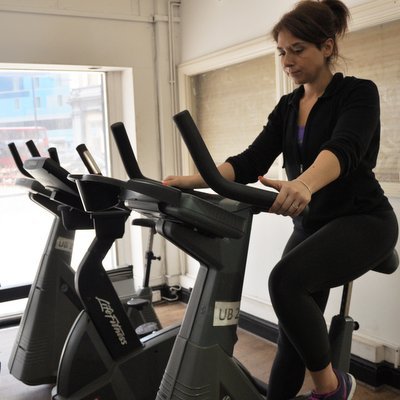
- Consider lifestyle changes, such as adopting a healthier diet or going to the gym
- Pre-travel, ask close family or relatives about their experiences with blood clots
Health should always be a top priority, and by taking precautions and being aware of DVT risks, you are all set for departure and safe travels.
 Andy Probert is a freelance journalist whose work about global travel news, aviation, business and human-interest features has appeared internationally in print and digital formats.