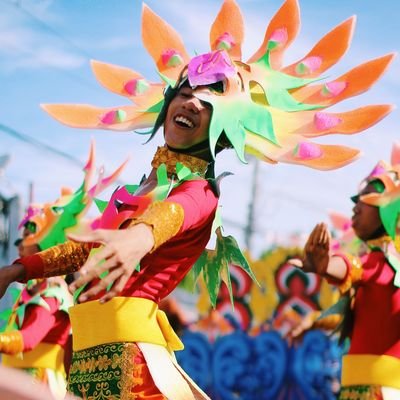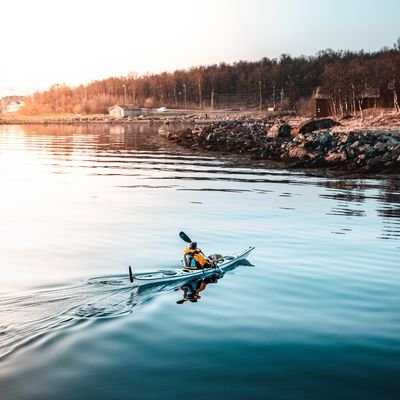
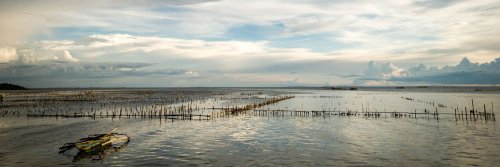
Are you dreaming of diving into the clear waters of the Maldives but shudder at the price of that luxurious accommodation? Don’t burst into tears, throw a tantrum, or make a pact with yourself to save every cent you earn by dumpster-diving for food and living in a tent so you can squirrel all your hard-earned wages away until you have enough. There is an alternative that will give you the same clear sparkling water to snorkel, amazing fiery sunsets to sip your cocktail by, and delicious mouthfuls of an exotic cuisine to have your taste buds dancing the Boduburu (the traditional dance of the Maldives) with a twist of a different nation; in the Philippines ‘tinikling’, in Bali ‘pendet’—you can do your own version of a dance with a drink in hand.
Over the last few years, ‘destination duping’ has been a fast-growing trend for travelers wishing to swap over-crowded and super pricey destinations for places that aren’t permanently congested with tourists like ants scurrying everywhere and that don’t break the bank, but still give you similar vibes, landscape, and cultural experiences. Expedia is credited with first using the term ‘destination duping’ in its 2024 holiday trend report, citing places that are doppelgangers of famous, overrun tourist hotspots. The trend has continued.
Destination duping encourages sustainable tourism by reducing pressure on over-visited locations and supporting local economies in lesser-known areas. As travel continues to evolve, more adventurers are embracing destination duping, seeking out hidden gems. It’s reshaping the world of travel, promoting more sustainable, affordable, and authentic exploration of the world’s diverse destinations.
Other doppelgänger (dupe) destinations:
Australia: Perth, instead of Sydney (both have Aussie culture, are sun-kissed coastal capital cities with white-sand beaches, eclectic café and restaurant scenes, and an outdoor lifestyle).
Southeast Asia: Luang Prabang in Laos, or Kampot in Cambodia, instead of Bali (all share deep-rooted spirituality, stunning landscapes with emerald-green terraced rice paddies, welcoming locals, vibrant artisan communities, plenty of wellness retreats and a slow-travel vibe).
France: Lyon, instead of Paris (both have a rich French heritage, incredible UNESCO-listed architecture, thriving art scenes, iconic rivers and peninsulas, and, of course, are synonymous with the best French cuisine). In fact, these two cities are connected by the high-speed TGV rail network, and you can get from one to the other in about two hours.
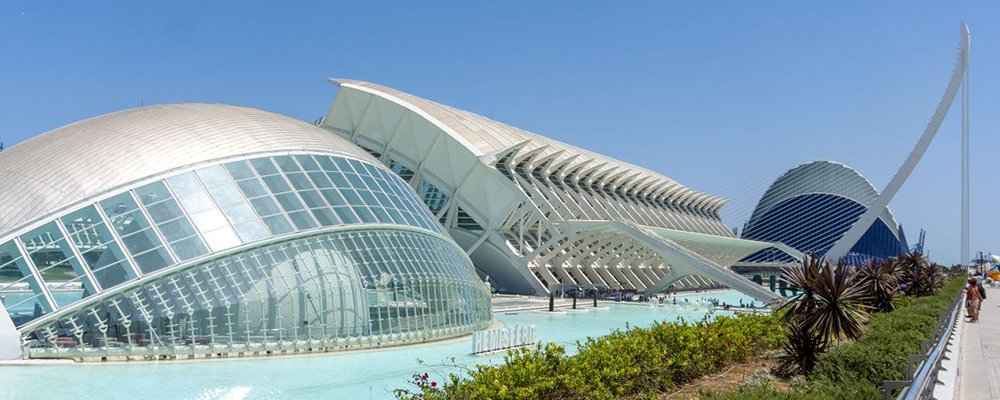
Spain: Valencia, instead of Madrid or Barcelona (all share deep historical architecture, major airports, UNESCO World Heritage sites, and are famous for a culture of lively street life, late-night dining, bustling plazas where locals hang out, and a robust café scene). Valencia is on the Mediterranean coast with plenty of gorgeous beaches like Barcelona, and it also embraces a distinct Spanish cuisine, as it’s the birthplace of the iconic dish ‘paella’.
Greece: Paros, instead of Santorini (both ooze the iconic Cycladic landscape of blue-domed churches, whitewashed houses, mazes of cobblestoned streets, splashes of brilliantly colored bougainvillea, and both are aproned by the clear and warm flow of Aegean waters where you can sit in a typical Greek taverna scoffing local produce and the freshest of seafood).
England: Liverpool, instead of London (both are major UK port cities with long maritime histories, burgeoning music and art scenes, numerous world-class museums and galleries, and melting pots of cultures, languages, and backgrounds, creating dynamic cosmopolitan vibes).
South Korea: Taipei in Taiwan, instead of Seoul (these sister cities are both shaped by the influences of Imperial Japan, intertwined with the values and language of traditional Chinese, a streetscape of vibrant markets and street food, sharing a love of tempura, fish cakes, and sashimi, while a late-night drinking culture is endemic in both cities.
A Safari in Africa, or the cheaper alternative, Sri Lanka?
If you are considering a safari in Africa and are weighing the cheaper alternative, Sri Lanka, do think twice. While Africa’s safari tours are heavily regulated, Sri Lanka lacks similar strict regulations to protect its wildlife. Popular reserves such as Yala National Park suffer from intense over-tourism, and jeep drivers engage in unethical behavior, speeding, chasing, and encircling animals, with some animals, especially leopards, forced to run until they die of exhaustion. If you can only afford Sri Lanka, choose reputable operators and explore alternative parks, such as Wilpattu or Udawalawe.
Other destinations to consider when you have a tight budget include Ghent instead of Bruges in Belgium, Vietnam instead of Thailand, or Bulgaria instead of Switzerland.
Gail Palethorpe, a self proclaimed Australian gypsy, is a freelance writer, photographer and eternal traveller. Check out her website Gail Palethorpe Photography and her Shutterstock profile.