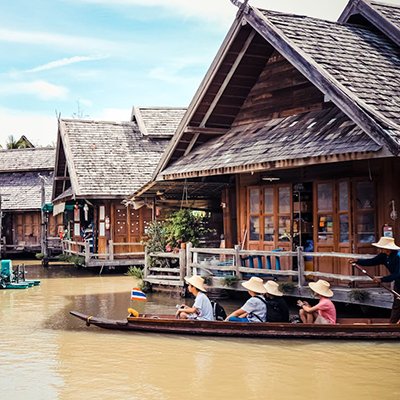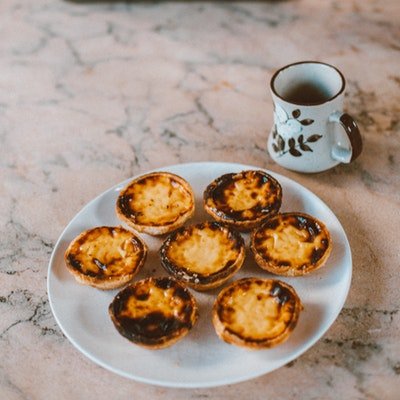
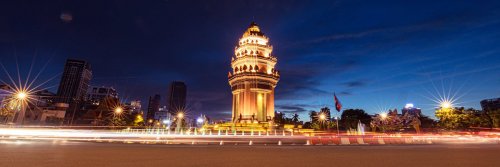
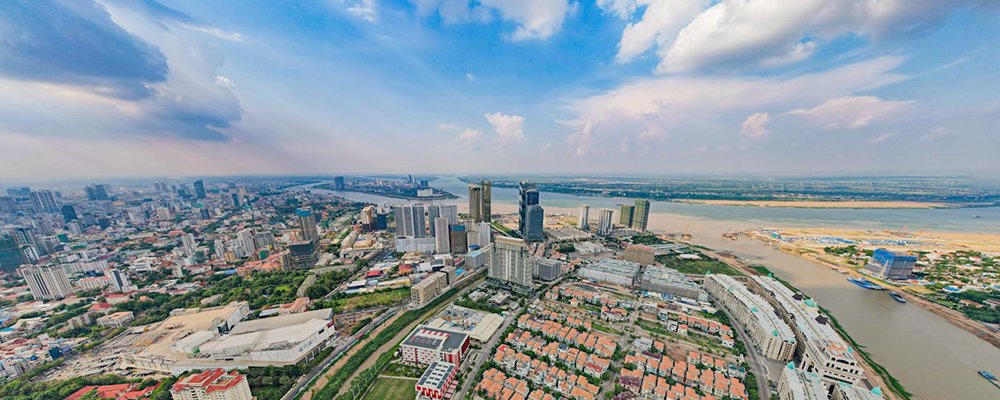
Cambodia's bustling city oozing French vibes from its architecture to its food, Phnom Penh is the cultural and economic heart of Cambodia, known as the ‘Pearl of Asia.’ Sitting where the Mekong and Tonlé Sap Rivers converge, it’s exotic, enticing, and seductive, evoking images of golden buddhas and richly decorated temples.
Motorbikes fly by in mosquito-buzzing hordes, and colorful, pungent markets display crusty French baguettes. Locals catch tiny fish on rustic rods along the tree-draped riverfront, and saffron-robed monks meander in quiet contemplation. Contemporary cafes sit beside bustling bars brimming with expats and tourists.
It’s a city of simply beautiful people who will greet you with cheek-to-cheek smiles.
Phnom Penh boasts a rich and complex history that reflects the resilience of its people. Founded in the late 14th century, Phnom Penh was originally a small fishing village known as Penh, named after Lady Penh, a Buddhist monk who is said to have lived there and established a hilltop temple. The city officially became the capital of Cambodia in 1434, during the reign of King Ponhea Yat, marking its importance as a political and cultural center in the region. Over the centuries, Phnom Penh grew steadily, influenced by various Khmer dynasties and foreign powers, including the French colonizers who arrived in the mid-19th century. The French colonial period, from 1863 to 1953, left a lasting imprint on the city’s architecture and infrastructure, with many colonial-style buildings still standing today.
However, the city’s history is also marked by periods of turmoil and tragedy. During the Khmer Rouge regime from 1975 to 1979, Phnom Penh was transformed into a site of unimaginable suffering. The brutal communist regime led by Pol Pot sought to reshape Cambodia into a rural agrarian society, forcing millions of city residents into labor camps and executing countless perceived ‘enemies’ of the state. The city was emptied and left devastated, with a significant portion of its population perishing during this dark chapter. Following the fall of the Khmer Rouge, Phnom Penh gradually began to rebuild amid political instability and economic challenges. The 1990s marked a period of recovery and renewed hope, culminating in the city’s emergence as a 21st-century hub of commerce, tourism, and culture.
Today, Phnom Penh is a bustling metropolis that embodies Cambodia’s resilience and aspirations for the future. The city’s skyline is a mix of modern high-rises and historic French colonial buildings. Key sites such as the Royal Palace, Silver Pagoda, and the National Museum, which houses an extensive collection of Angkorian artifacts and sculptures that offer insights into Cambodia’s glorious past. The Choeung Ek Memorial, also known as the Killing Fields, serves as a poignant reminder of the tragic Khmer Rouge era and is an essential site for understanding the country's history.
A lively atmosphere can be found in the bustling Central Market, or Phsar Thmey, offering a vibrant array of goods, from fresh produce to handcrafted souvenirs, set in an art deco building. The Riverside area is perfect for a leisurely stroll, featuring cafes, restaurants, and scenic views of the Tonle Sap River, which is especially beautiful at sunset. For a taste of local life, visit Wat Phnom, a hillside pagoda that is the city’s namesake and offers panoramic views of Phnom Penh. For those interested in exploring beyond the city, the nearby Phnom Tamao Wildlife Rescue Center provides a sanctuary for rescued animals and offers insights into Cambodia’s efforts to conserve its wildlife.
The city is known for its lively and diverse festivals that reflect its rich cultural heritage and spiritual traditions. One of the most significant festivals is the Khmer New Year, celebrated in April, which marks the traditional New Year according to the lunar calendar. During this time, locals engage in various rituals, such as visiting temples, offering prayers, and participating in water fights, which symbolize cleansing and renewal. Another major celebration is Pchum Ben, a 15-day Buddhist festival held in September or October, during which Cambodians honor their ancestors with offerings at pagodas and prayers for the spirits of the departed. This festival highlights the deep-rooted spiritual beliefs and respect for ancestors that are central to Cambodian culture.
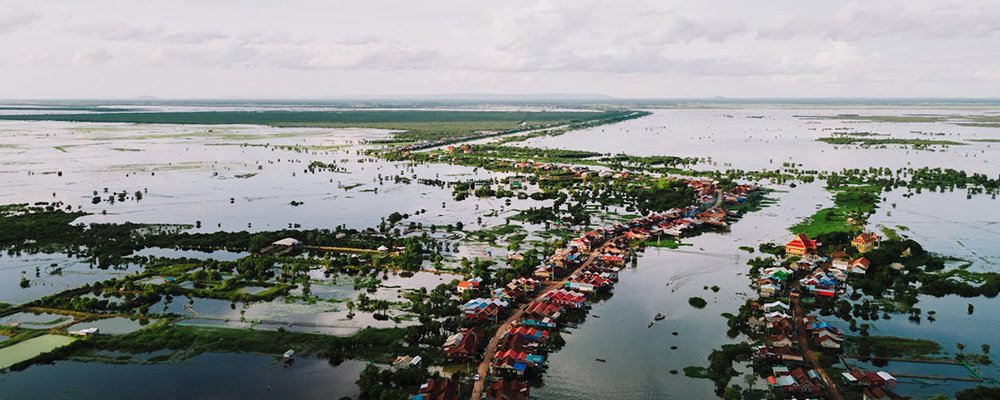
The Water Festival, or Bon Om Touk, is perhaps the most iconic event in Phnom Penh, usually taking place in November. It commemorates the end of the rainy season and the reversal of the Tonle Sap River’s flow. The festival is famous for its vibrant boat races along the Mekong River, illuminated fireworks, and lively street parades. These celebrations attract locals and tourists who gather to witness competitive boat races and enjoy the festive atmosphere, with food stalls, music, and dance. The Water Festival symbolizes Cambodian resilience and unity, celebrating the nation’s relationship with the Mekong River, which is vital to its agriculture and livelihood.
There are numerous other cultural festivals and events throughout the year, such as the International Film Festival, showcasing local and international filmmakers, and the Phnom Penh Food Festival, which celebrates Cambodia’s diverse culinary traditions. Traditional performances, including Apsara dance, are often featured during these events, offering a glimpse into Cambodia’s artistic heritage. Religious festivals like Vesak, which celebrate the birth, enlightenment, and death of the Buddha, are also observed with processions, meditation sessions, and temple activities.
Overall, the festivals of Phnom Penh serve as a vibrant reflection of Cambodia’s history, spirituality, and dynamic community spirit.
Gail Palethorpe, a self proclaimed Australian gypsy, is a freelance writer, photographer and eternal traveller. Check out her website Gail Palethorpe Photography and her Shutterstock profile.